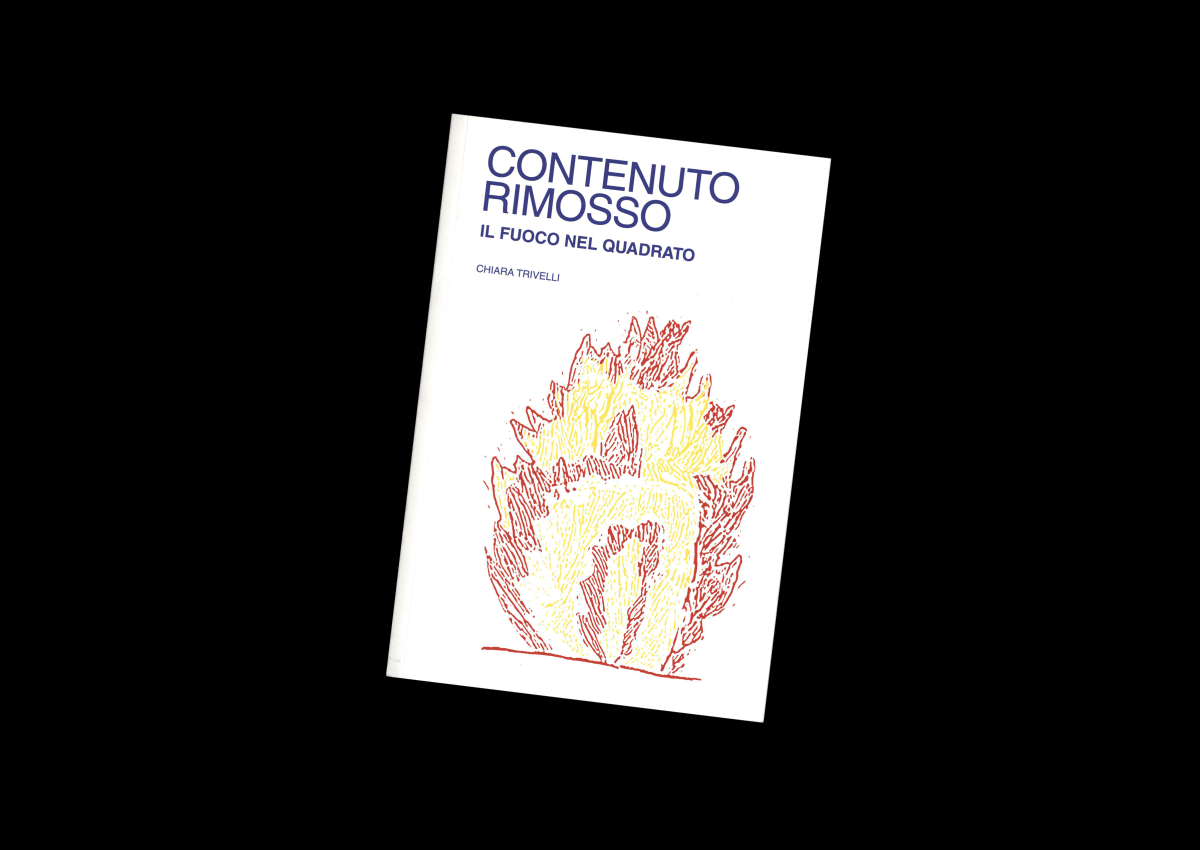
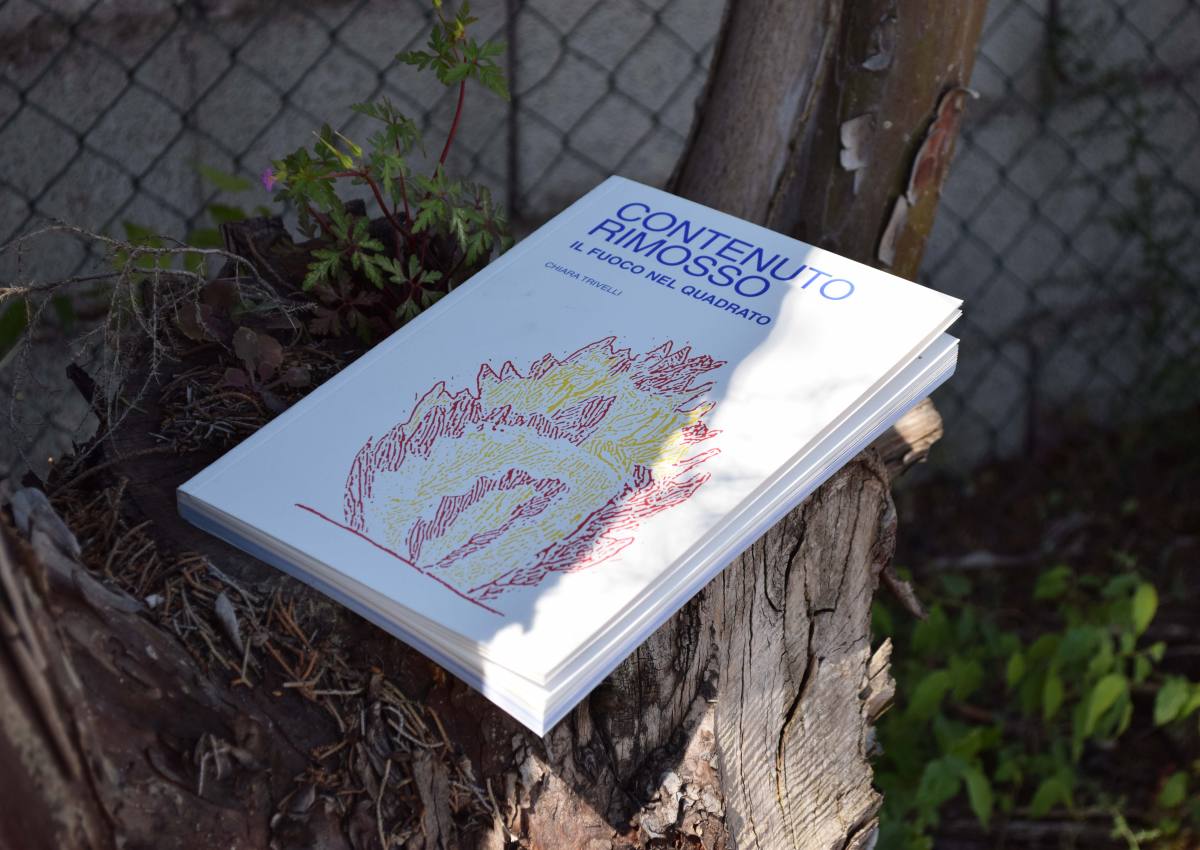
Chiara Trivelli
Contenuto Rimosso. Il fuoco nel quadrato
€ 15
Promoted by Comitato 30 luglio
Supported by Comune di Lorenzago di Cadore, Magnifica Comunità di Cadore, Regione Veneto
Supported by Consorzio dei Comuni del Bacino Imbrifero Montano del Piave appartenenti alla Provincia di Belluno
176 pp.
16×23 cm
ita
2023
ISBN 978-88-97753-94-0
Category: Territorial research
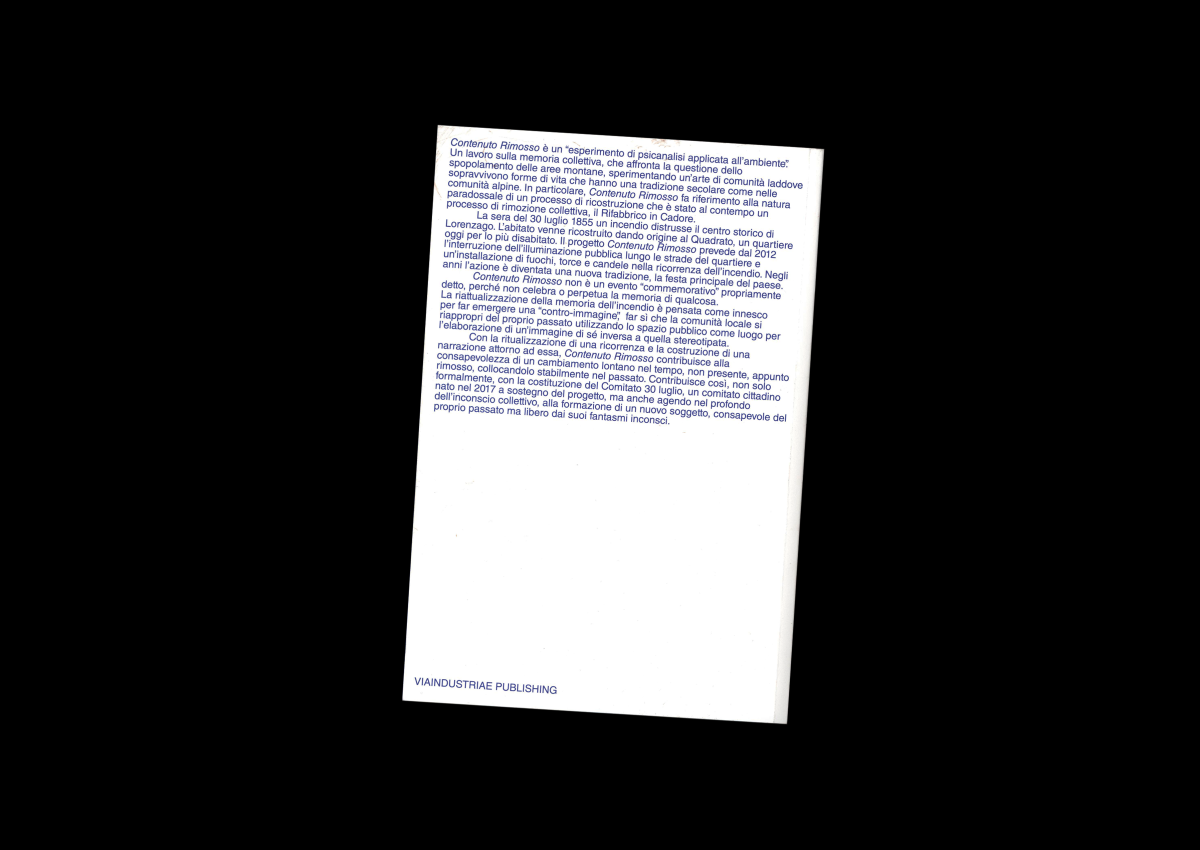
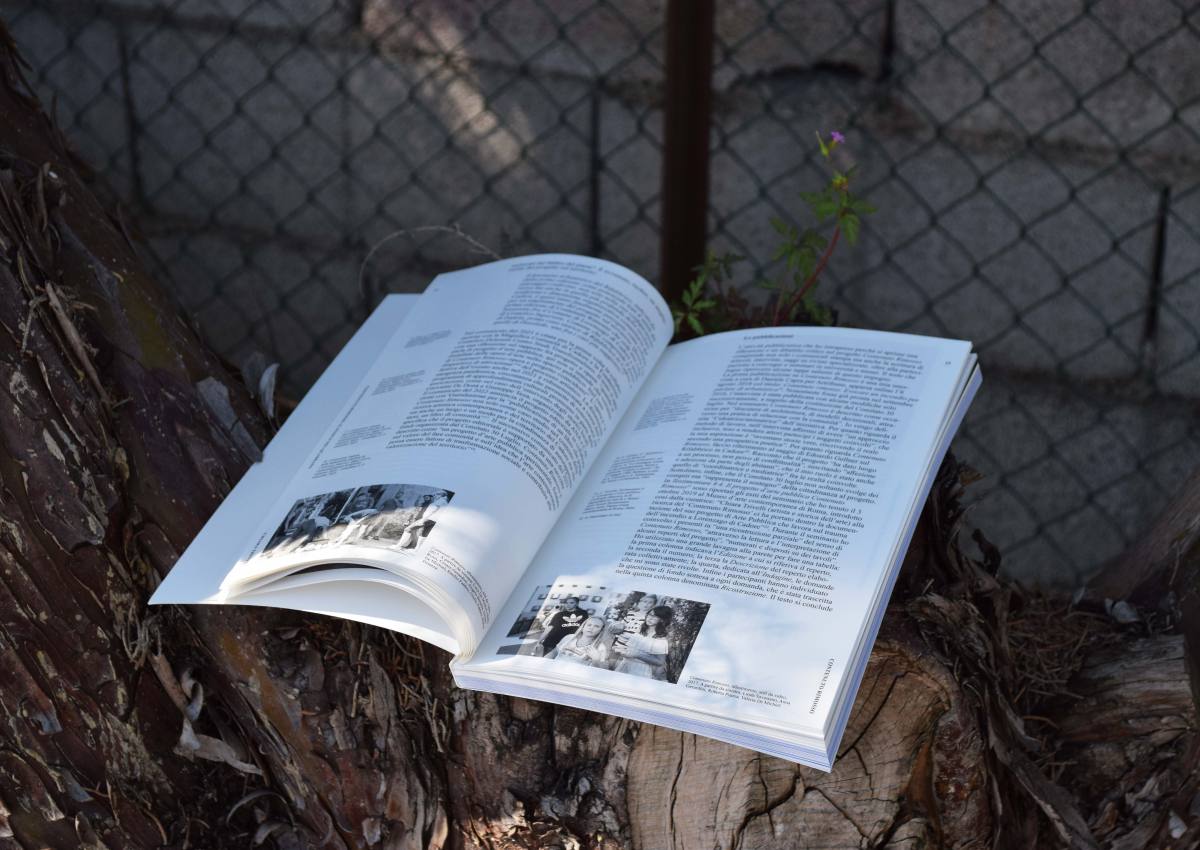
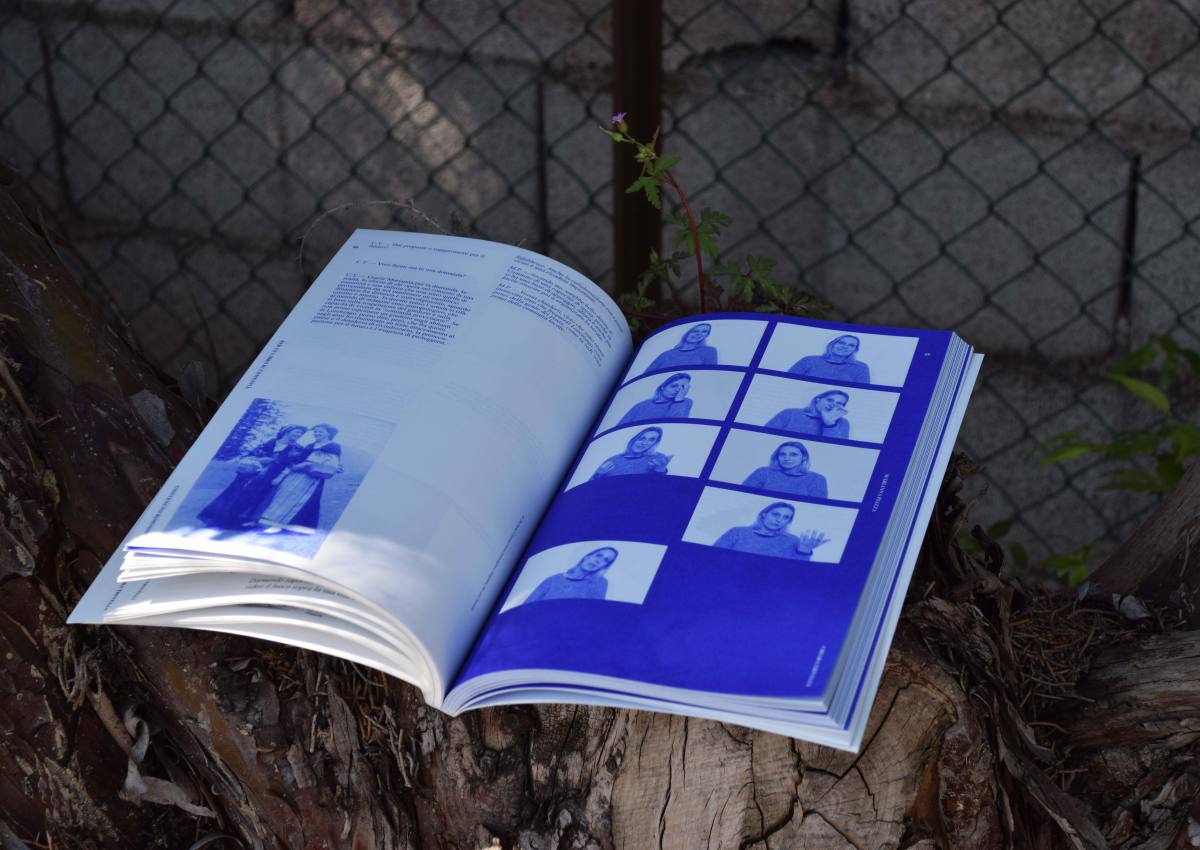
Contenuto Rimosso is an "experiment in psychoanalysis applied to the environment." A work on collective memory, it addresses the issue of depopulation of mountain areas, experimenting with a community art where community forms of life that have a centuries-old tradition survive, in alpine communities. In particular, Contenuto Rimosso ved refers to the paradoxical nature of a process of reconstruction that was at the same time a process of collective removal, the Rifabbrico in Cadore. On the evening of July 30, 1855, a fire destroyed the historic center of Lorenzago. The settlement was rebuilt, giving rise to Quadrato, a neighborhood that is now mostly uninhabited. Since 2012, the Contenuto Rimosso project has included the discontinuation of public lighting along the streets of the neighborhood and an installation of fires, flashlights and candles on the anniversary of the fire. Over the years, the action has become a new tradition, the village's main celebration. Contenuto Rimosso is not a "commemorative" event proper, because it does not celebrate or perpetuate the memory of anything. The reactualization of the memory of the fire is thought of as a trigger for a "counter-image" to emerge, for the local community to reclaim its past by using public space as a place for the elaboration of a self-image inverse to the stereotypical one. By ritualizing a recurrence and building a narrative around it, Contenuto Rimosso contributes.
Aa. Vv.
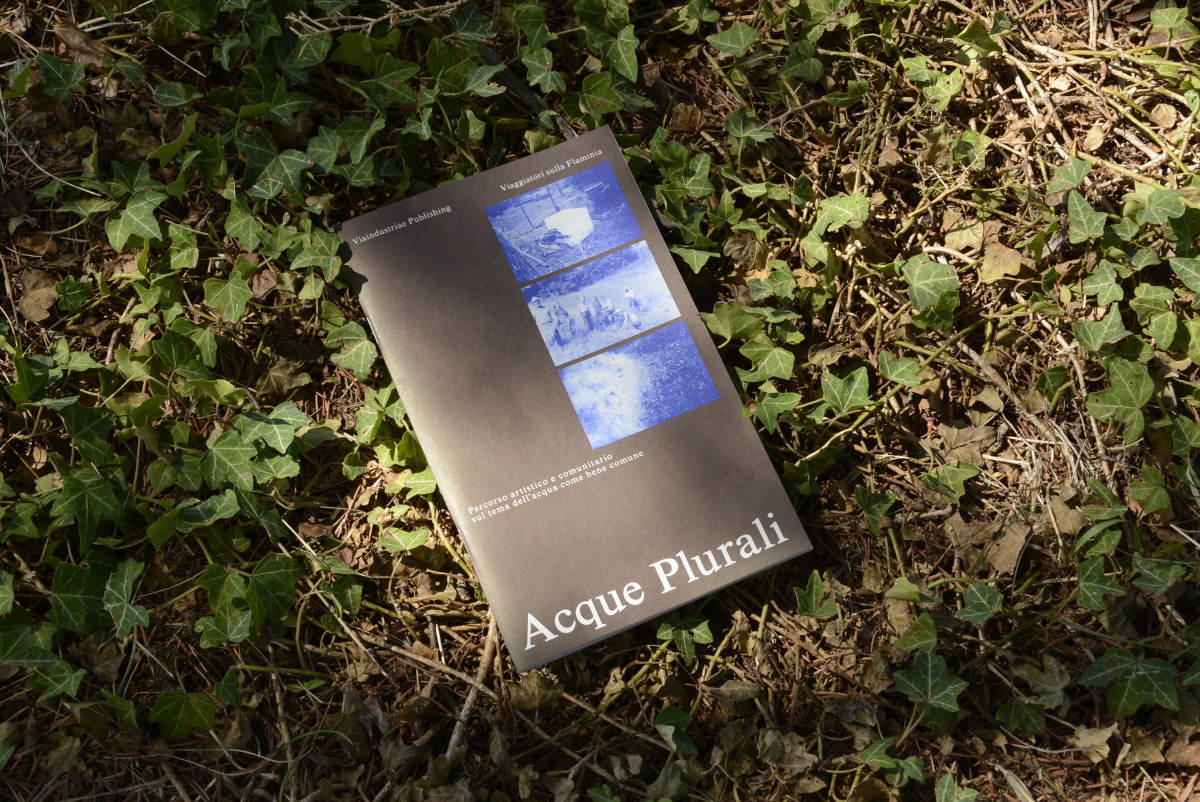
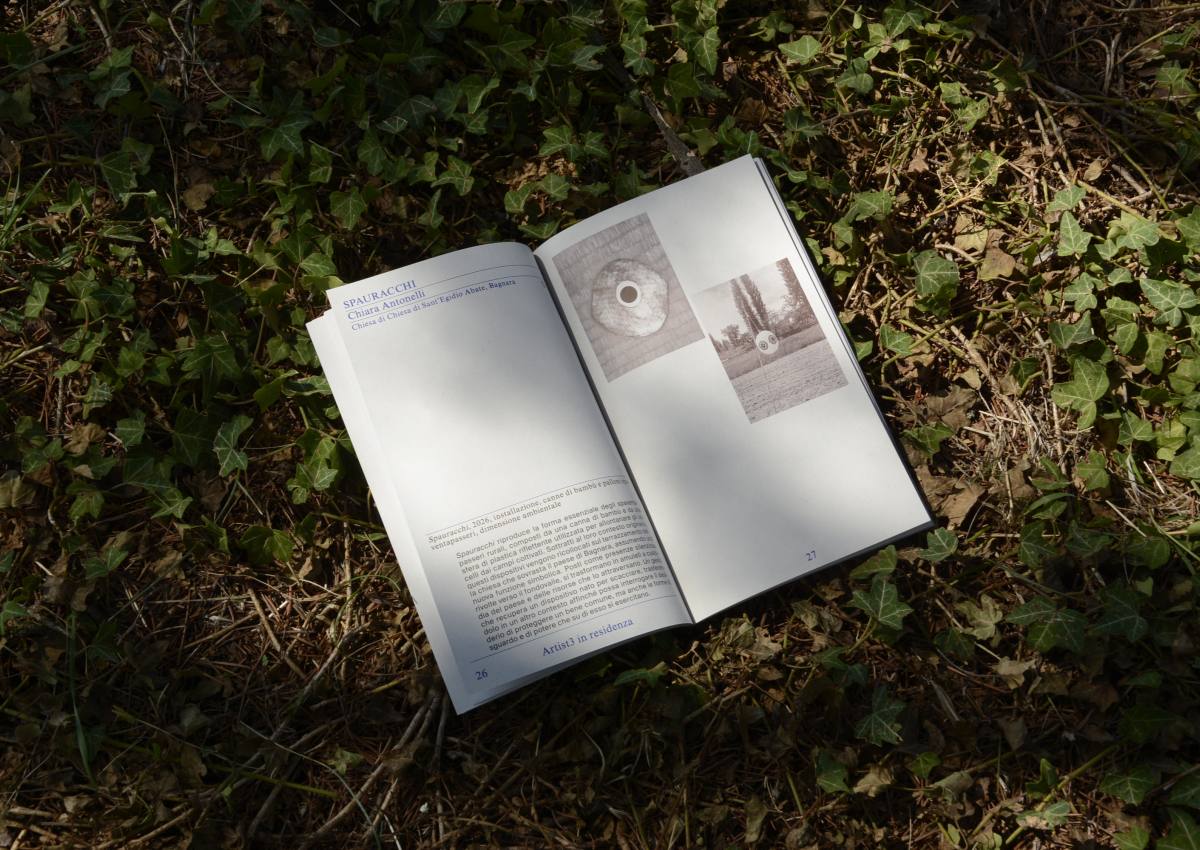
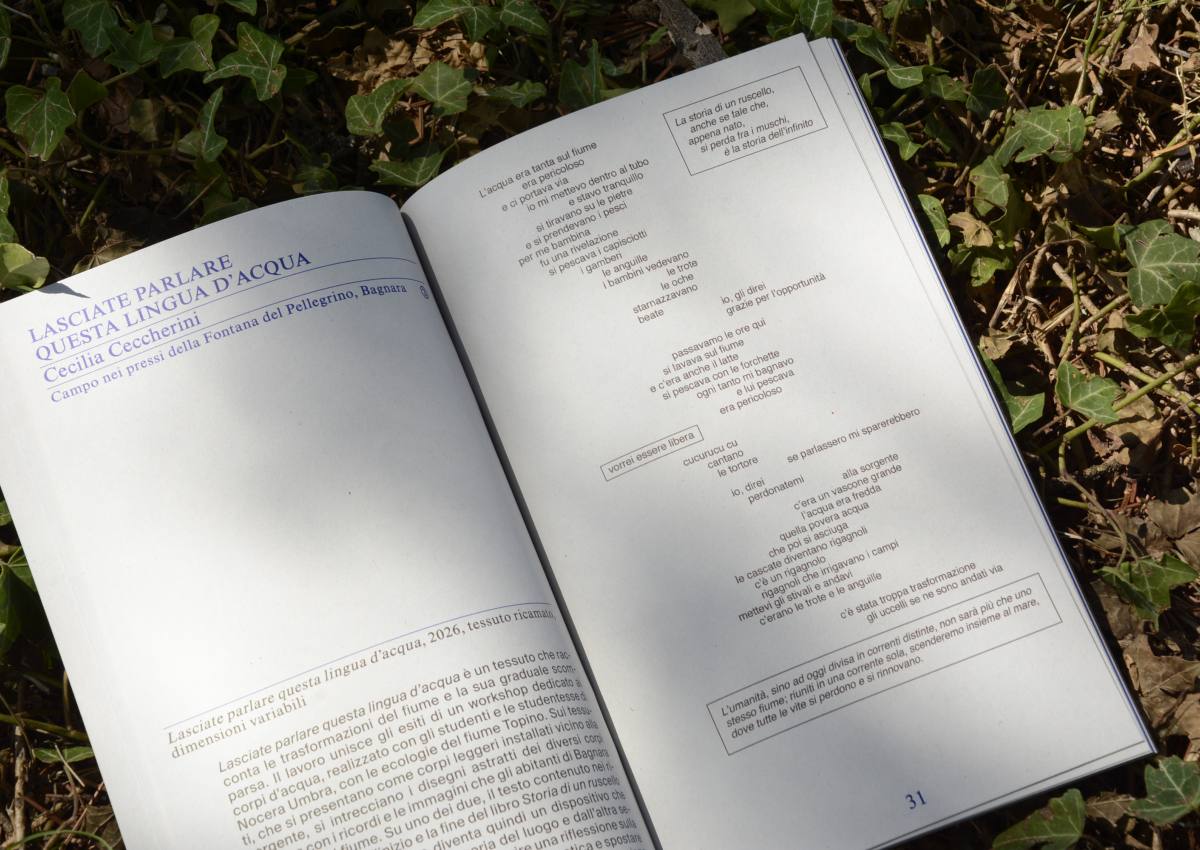
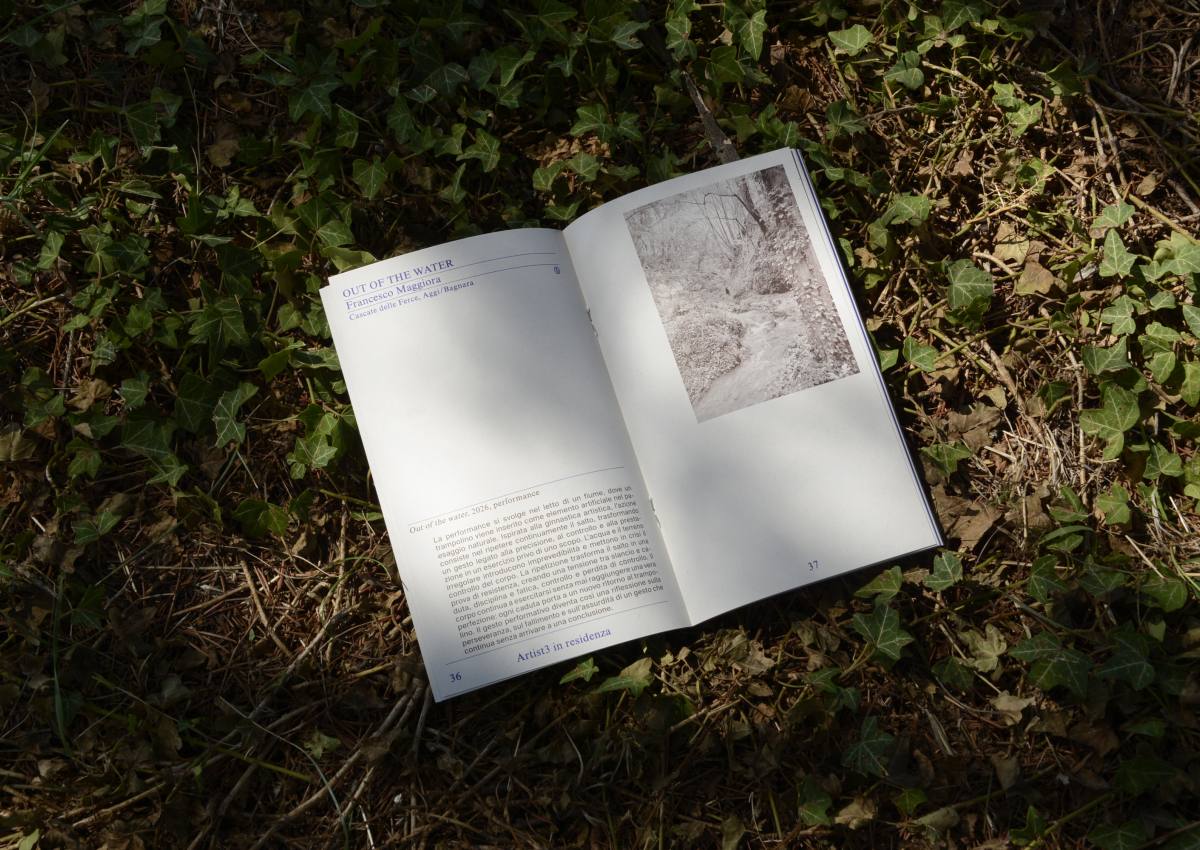
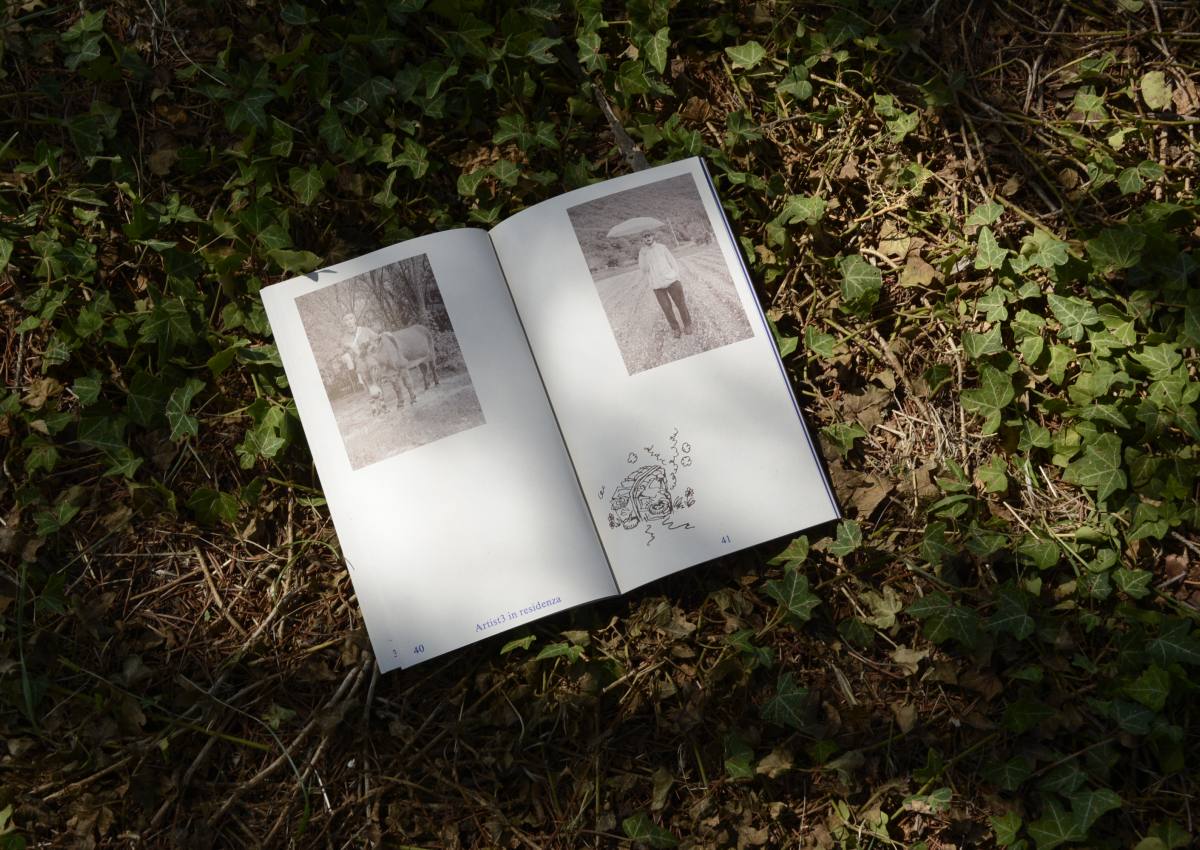
Acque Plurali
€ 5
Aa. Vv.
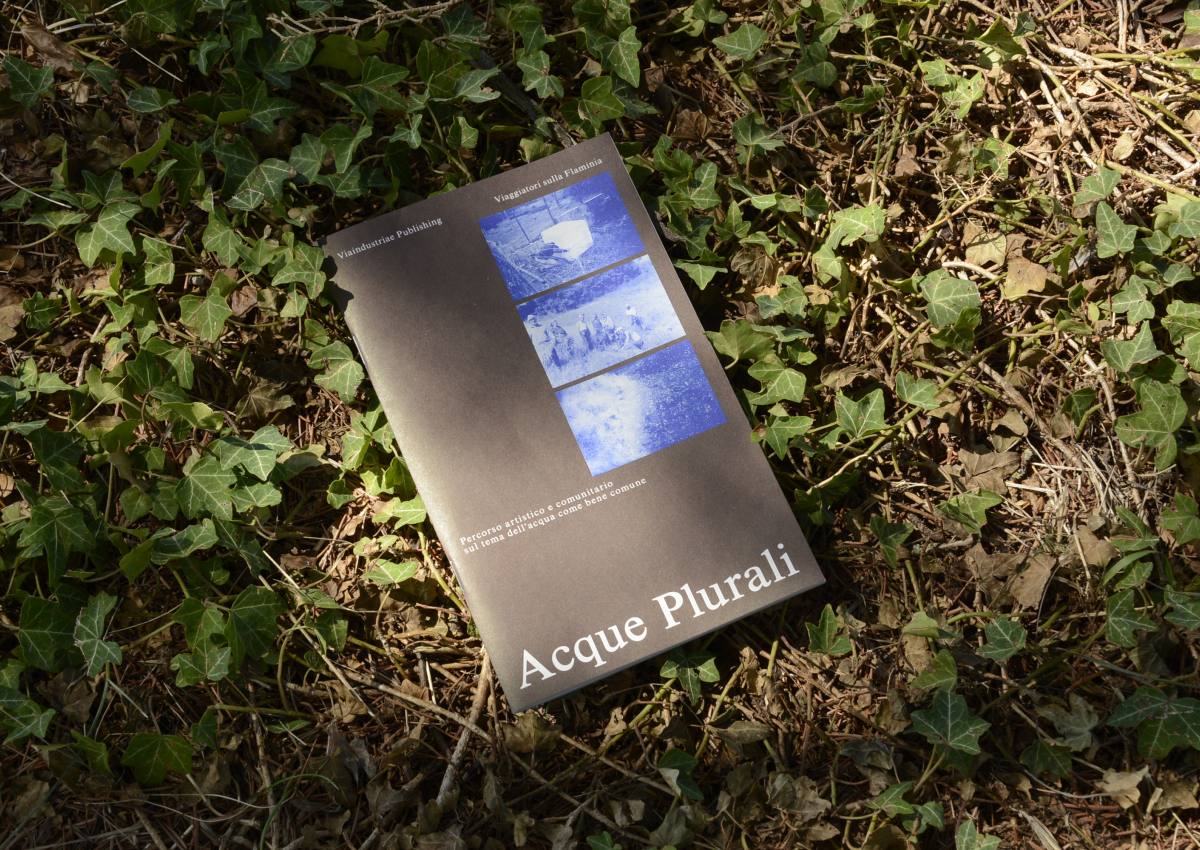
Acque Plurali
€ 5
Edited by Alice Mazzarella
Project curated by Viaindustriae (Alice Mazzarella, Emanuele De Donno, Giulia Filippi)
In collaborazione con Università Agraria di Bagnara, Viaggiatori sulla Flaminia
Project winner of the call for proposals Rural Voices 2030, promoted by Fondazione PuntoSud, cofunded by EU.
In collaboration with Comune di Foligno and FELCOS Umbria.
72 pp.
13 x 23 cm
Two-colour printing (brown and blue)
ita
2026
Category: Catalogues Territorial research
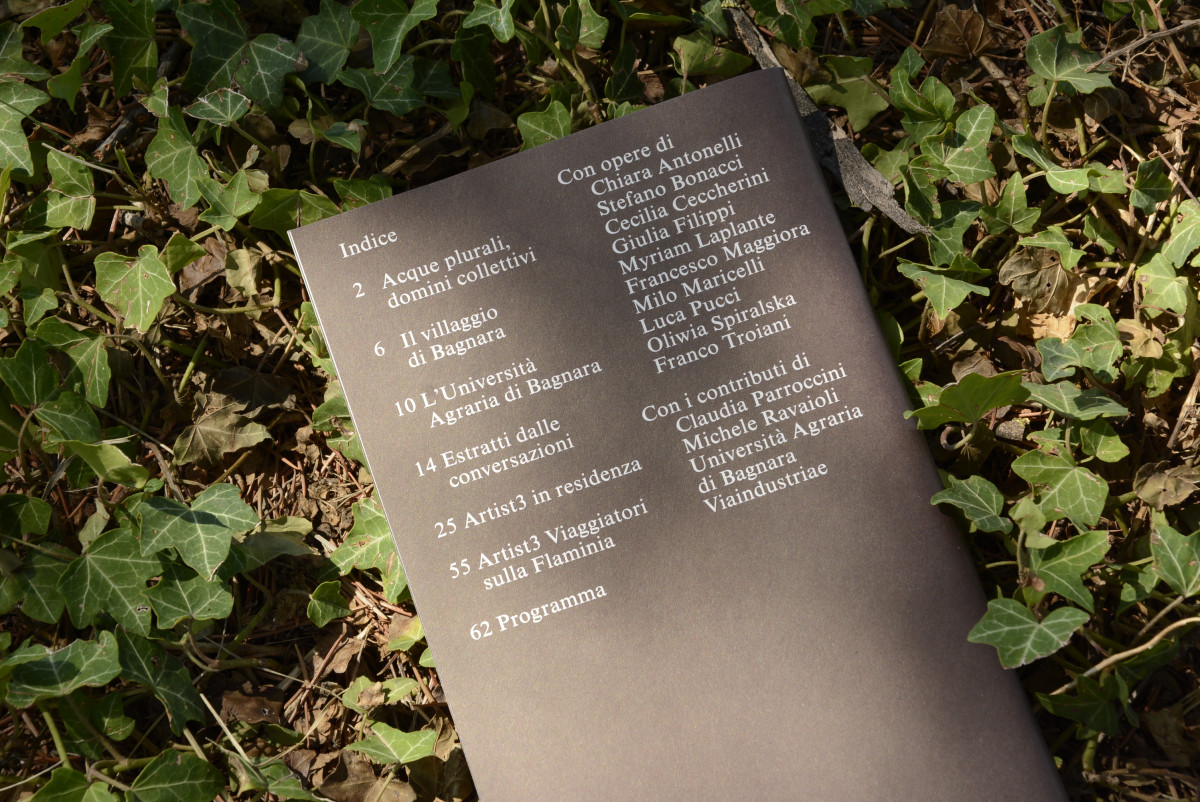
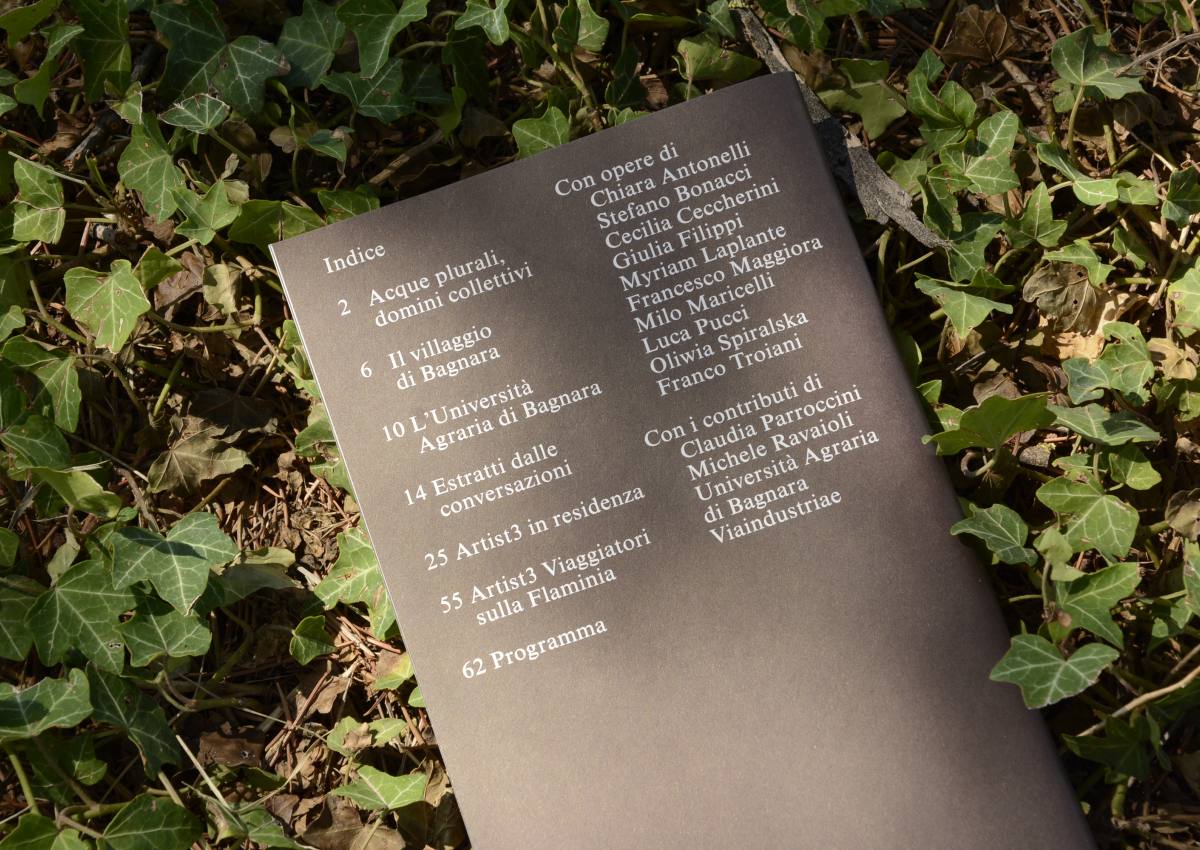
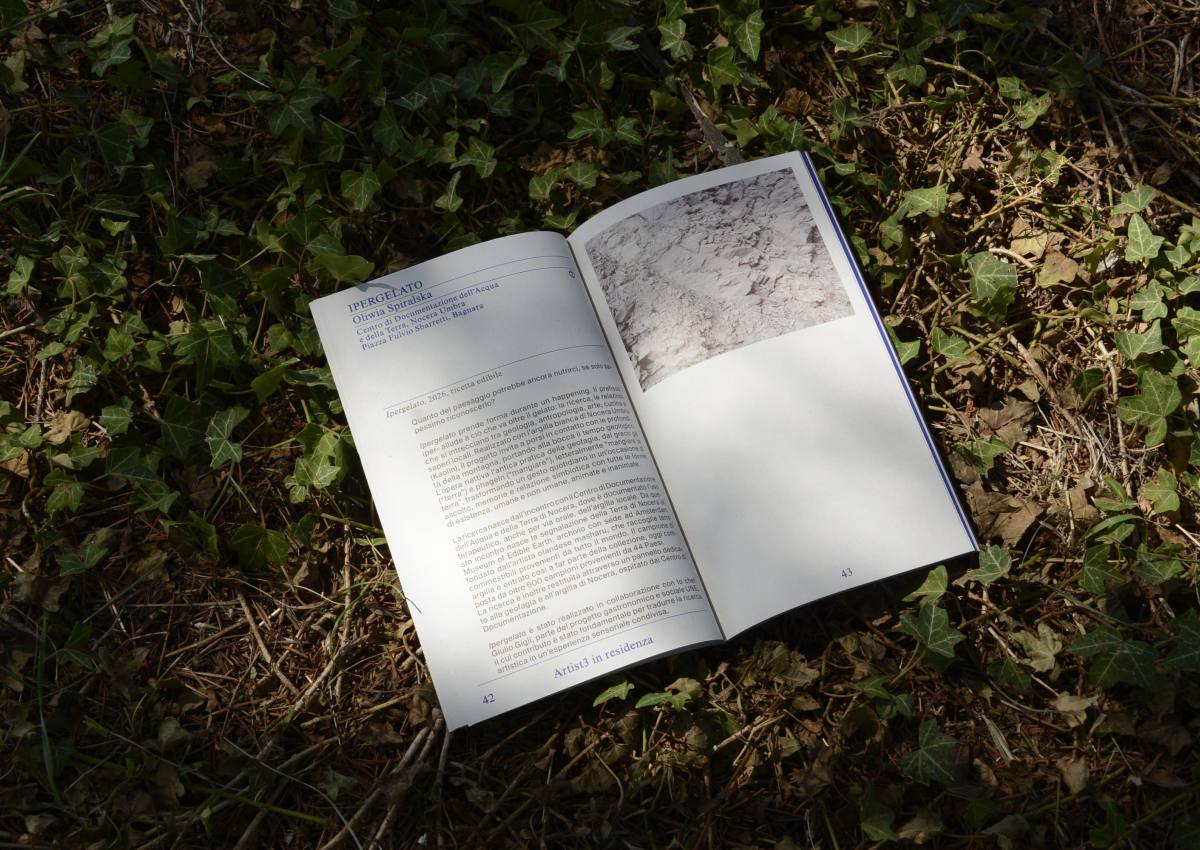
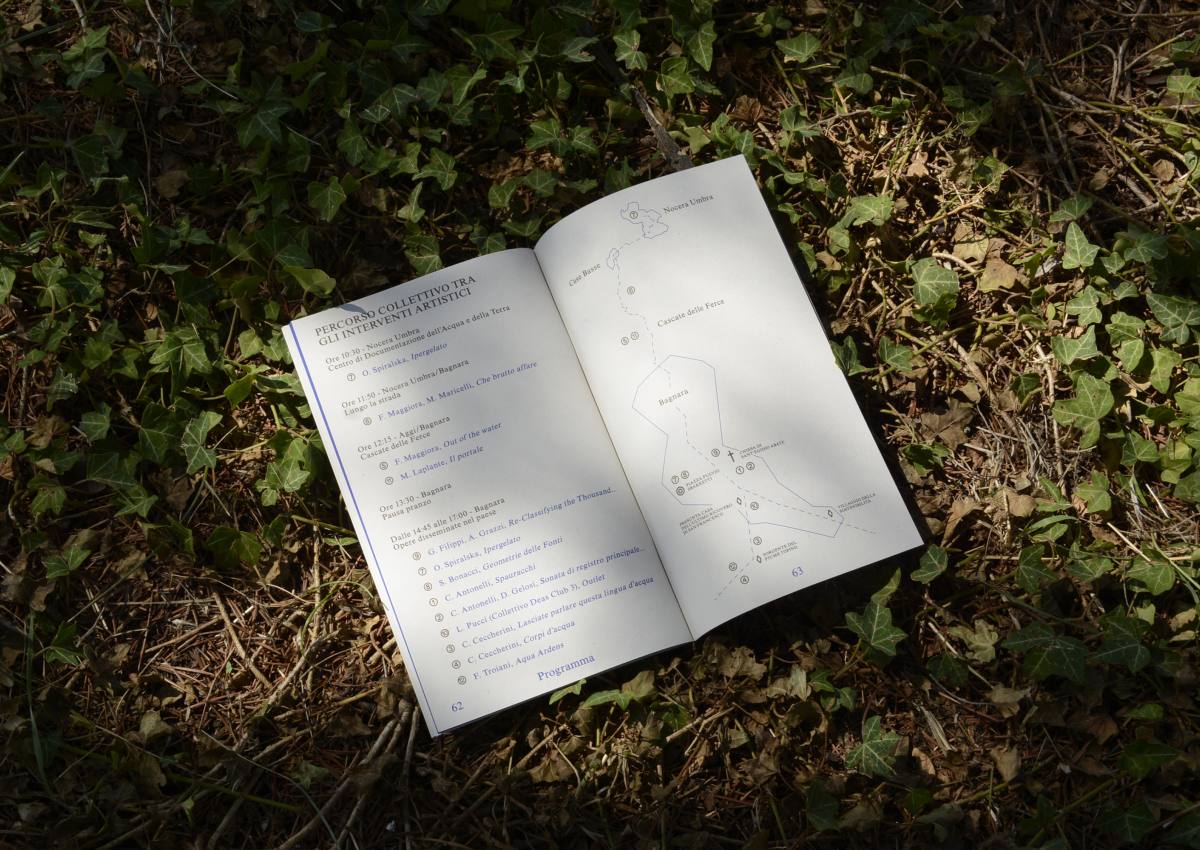
Acque Plurali is the publication documenting the development of the eponymous artistic residency project curated by Viaindustriae in collaboration with the Università Agraria di Bagnara and Viaggiatori sulla Flaminia, developed between March and September 2026.
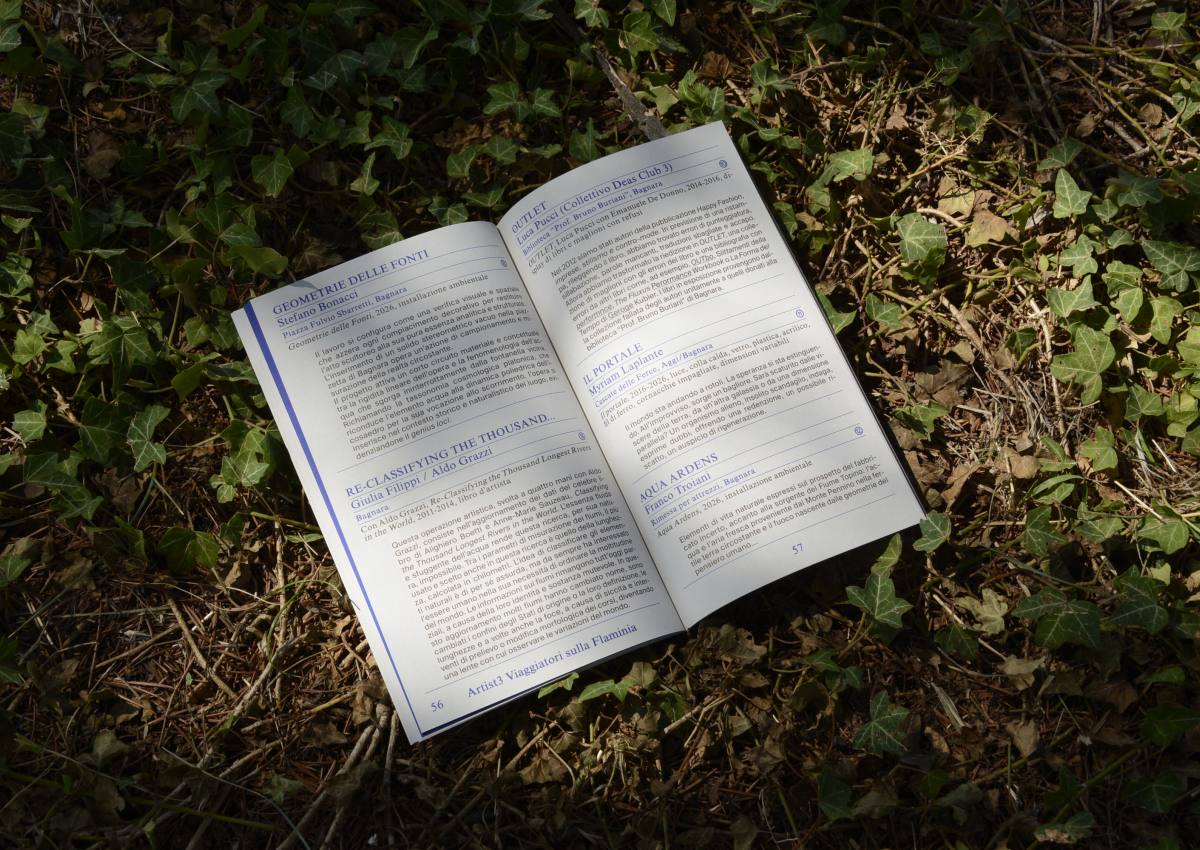
The project invited five artists – Chiara Antonelli, Cecilia Ceccherini, Francesco Maggiora, Milo Maricelli and Oliwia Spiralska – to engage with the territory of Bagnara and Upper Umbria, exploring water as a common good and collective domains as forms of shared management and belonging to a place. The outcomes of the residency were presented during the final event on 12 September, together with interventions by Stefano Bonacci, Giulia Filippi, Myriam Laplante, Franco Troiani and Luca Pucci / Collettivo Deas Club 3, invited to take part in the 13th edition of Viaggiatori sulla Flaminia.
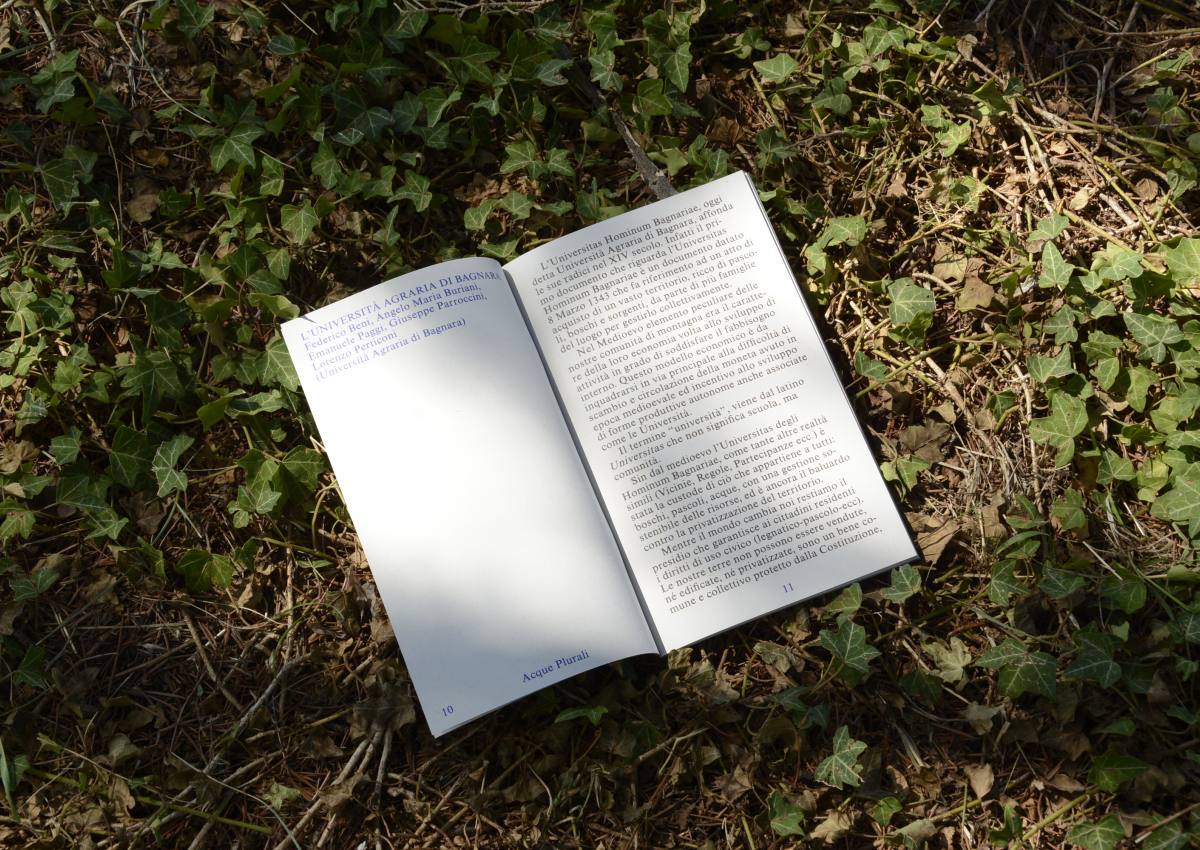
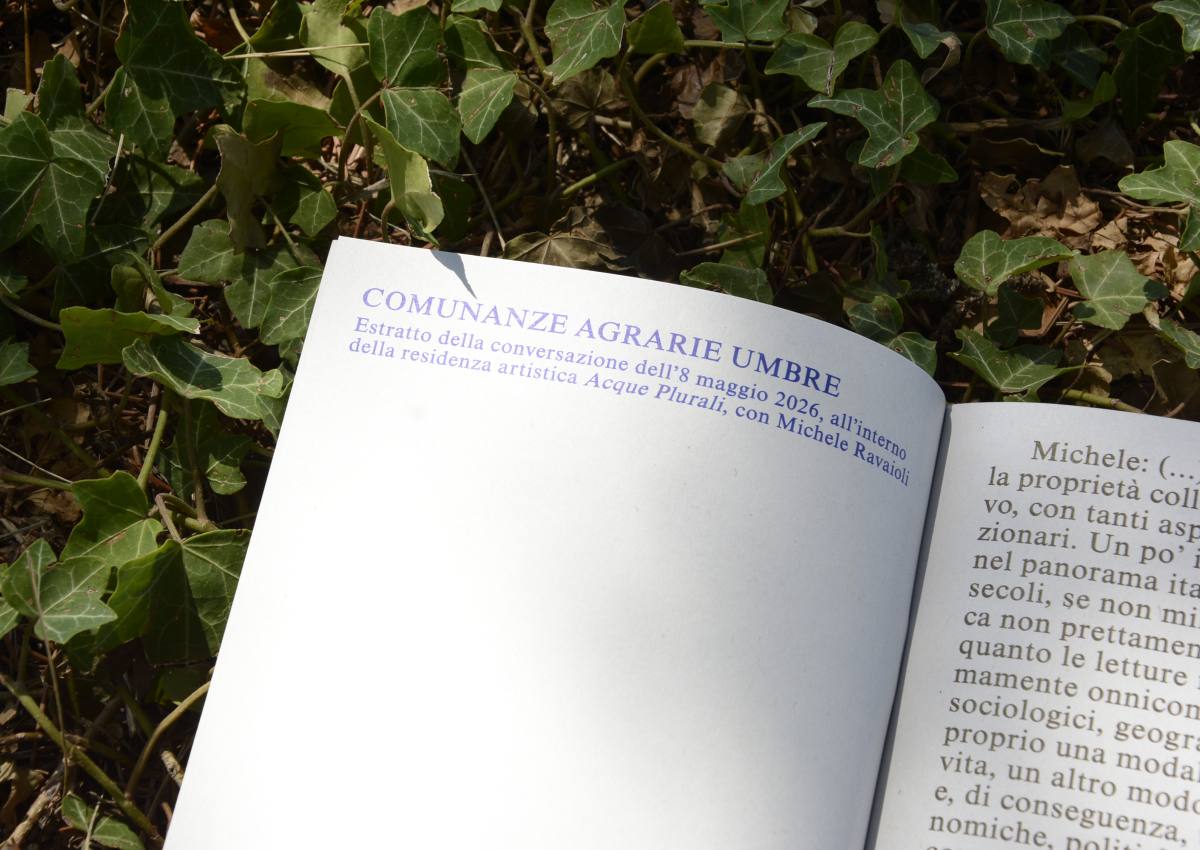
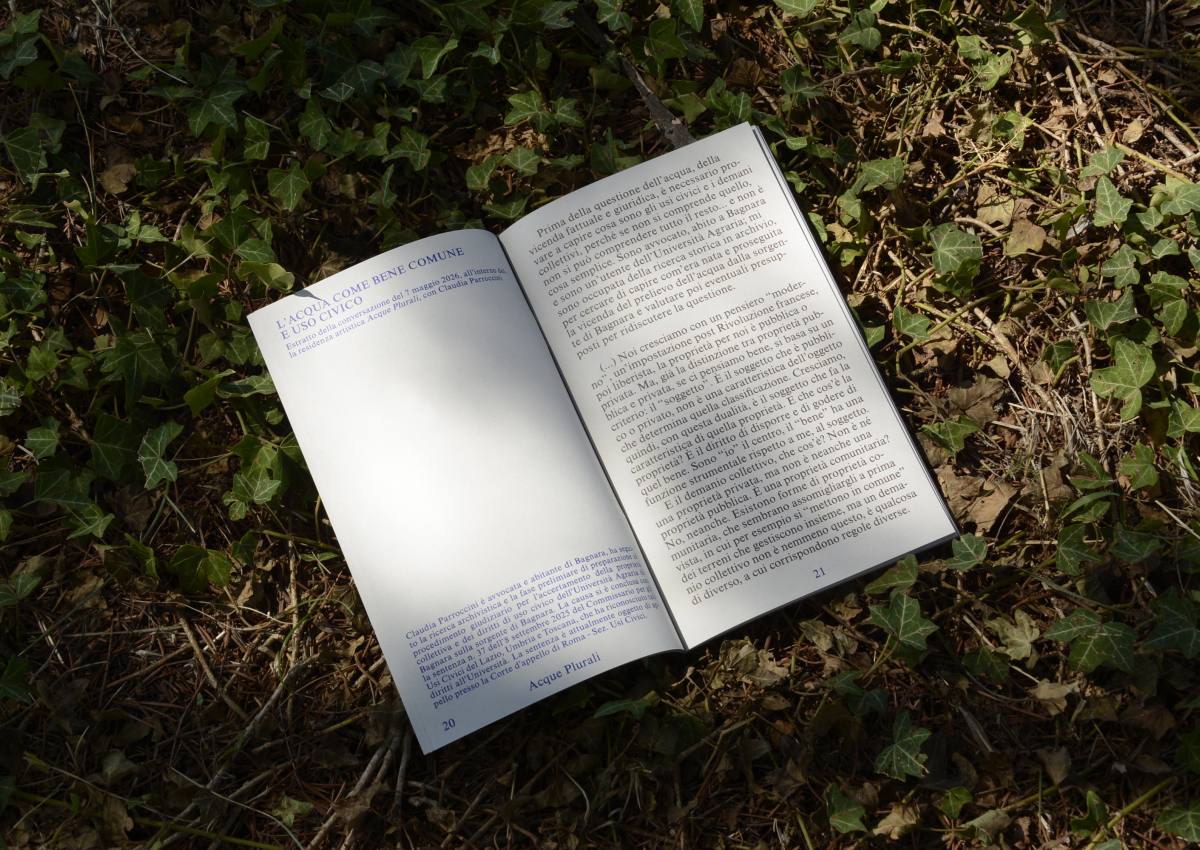
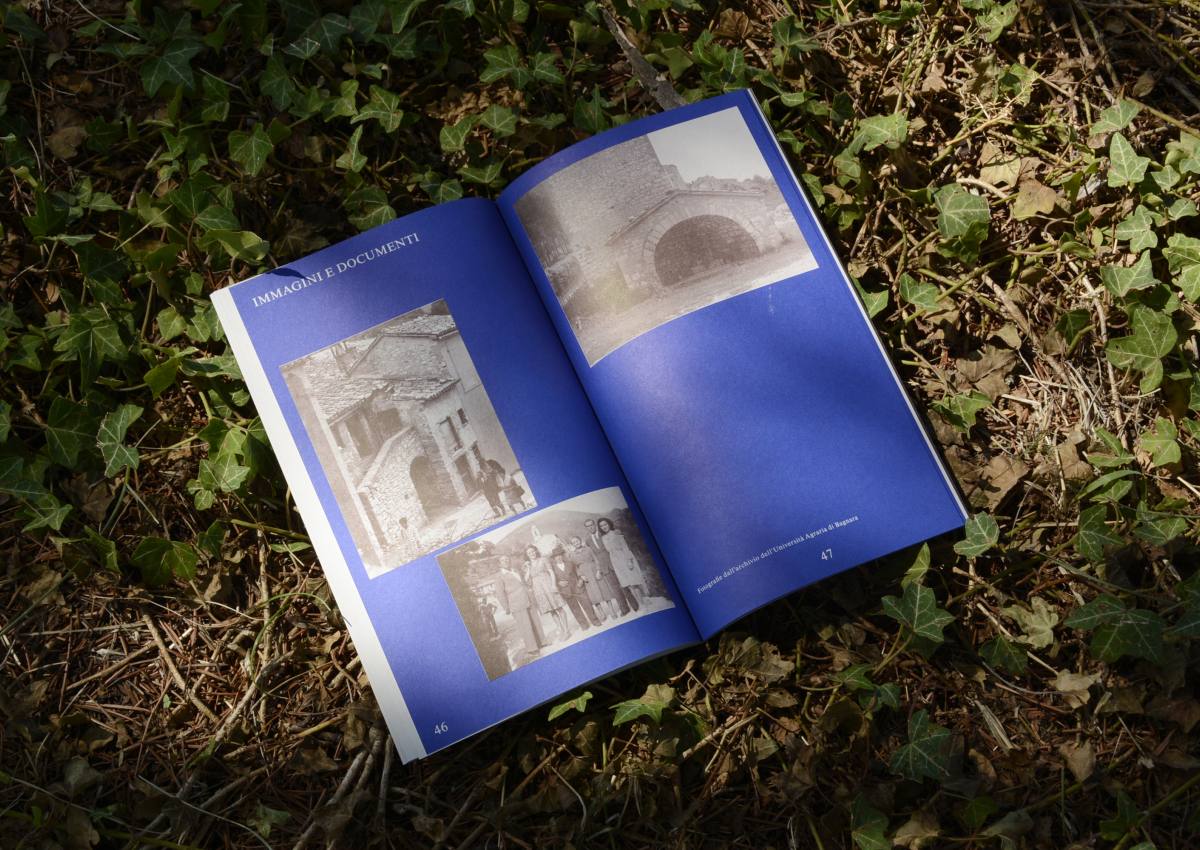
The publication brings together materials related to the artworks and the residency process, alongside content exploring the history, characteristics and collective practices of the territory of Bagnara. Texts, images, archival documents and project materials create a narrative that connects artistic research with local memories and with forms of collective care and management of common resources.
The publication thus documents not only the outcomes of the residency, but also the process of encountering a territory and the people who inhabit and care for it, proposing art as a way of listening, exploring and activating new relationships with places.
Aurora Riviezzo
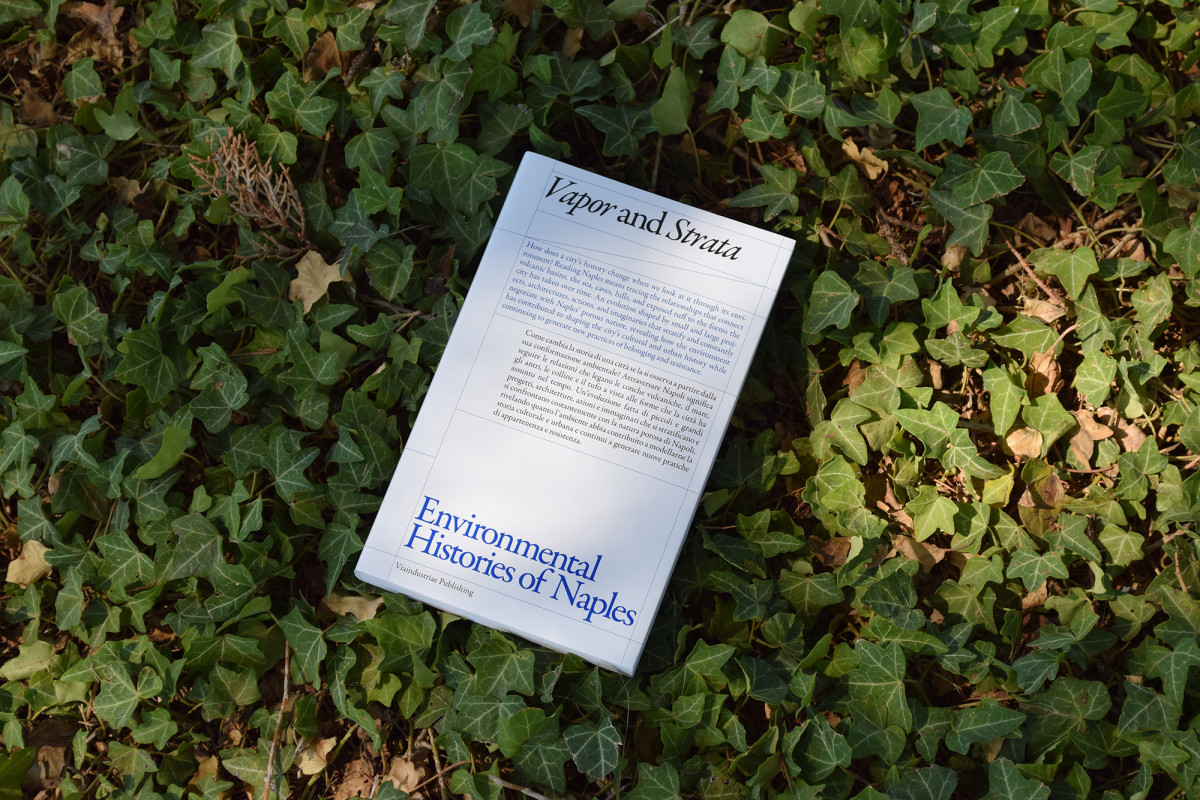
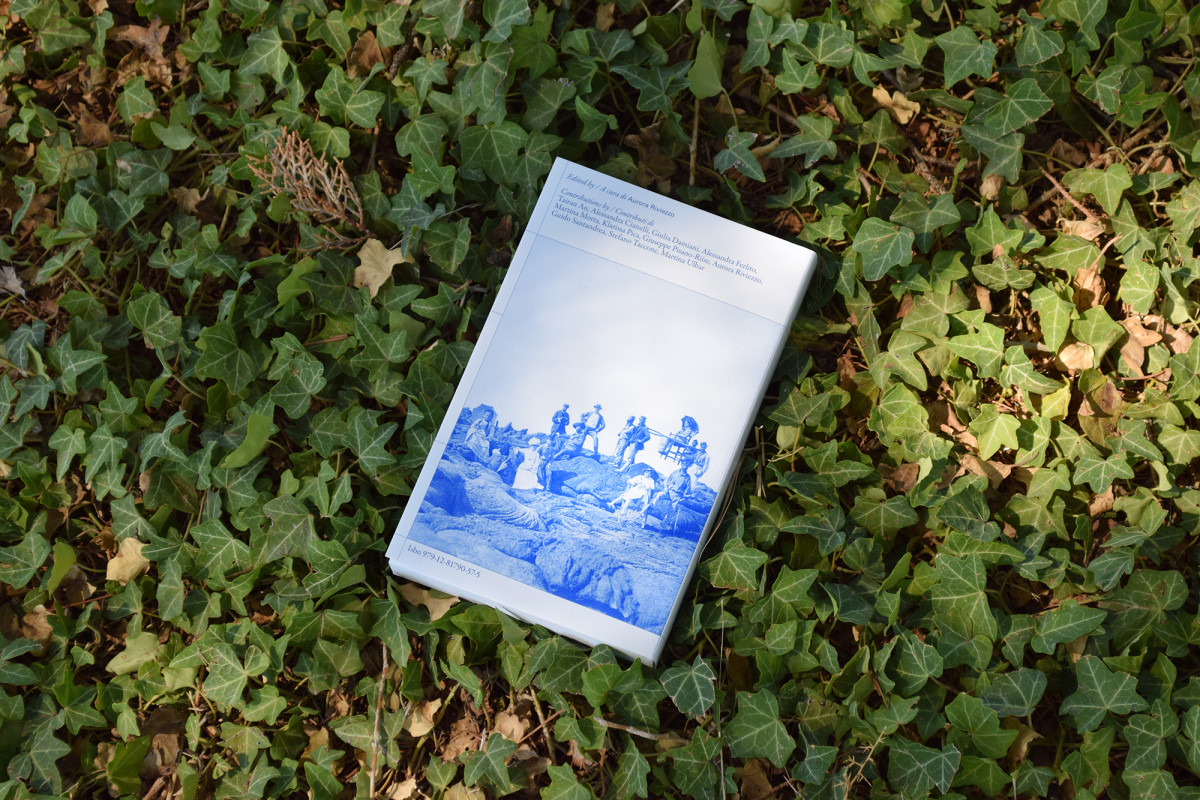
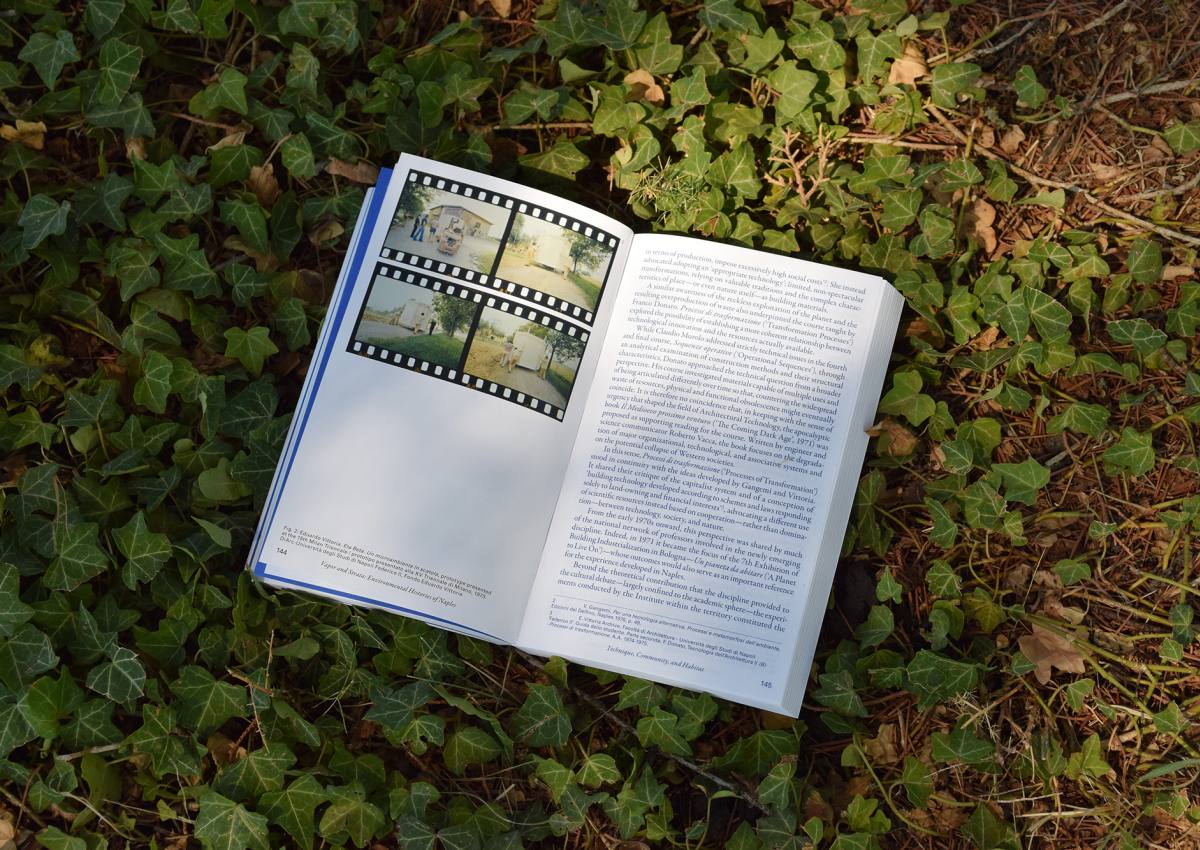
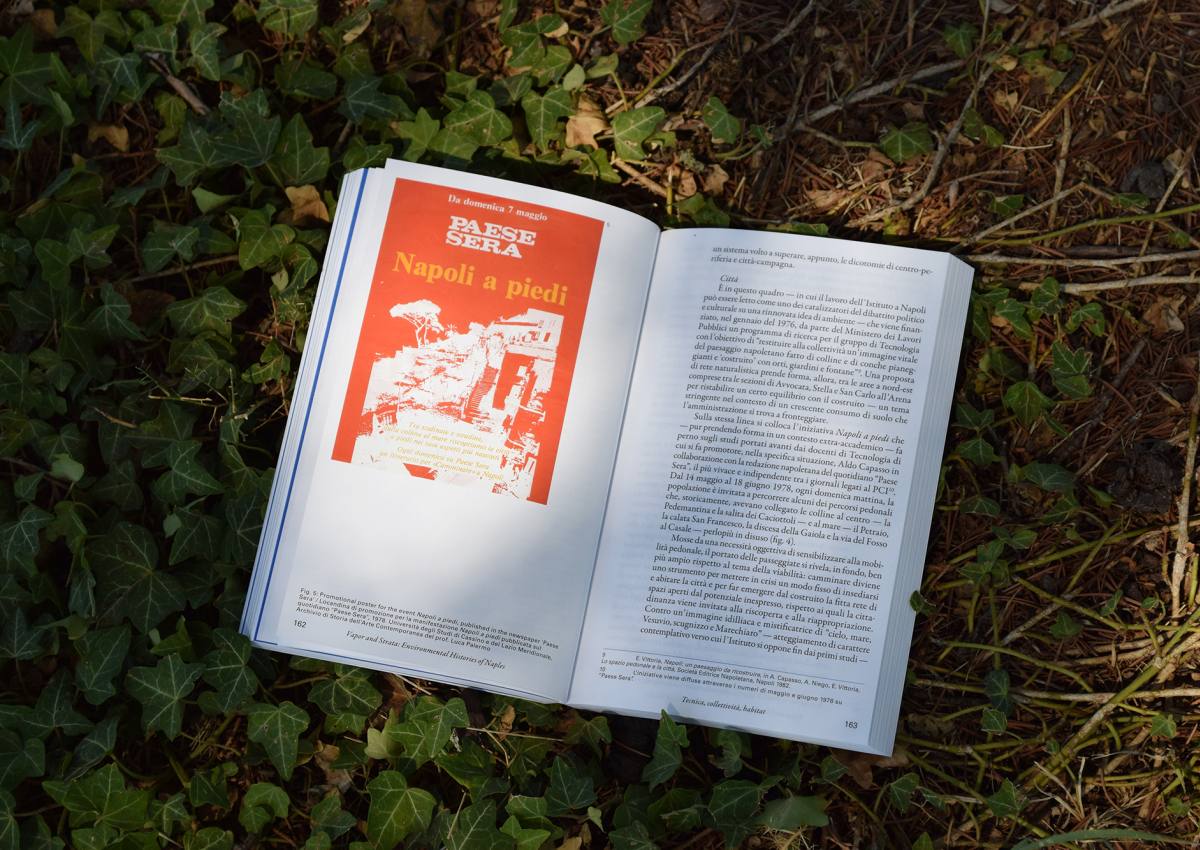
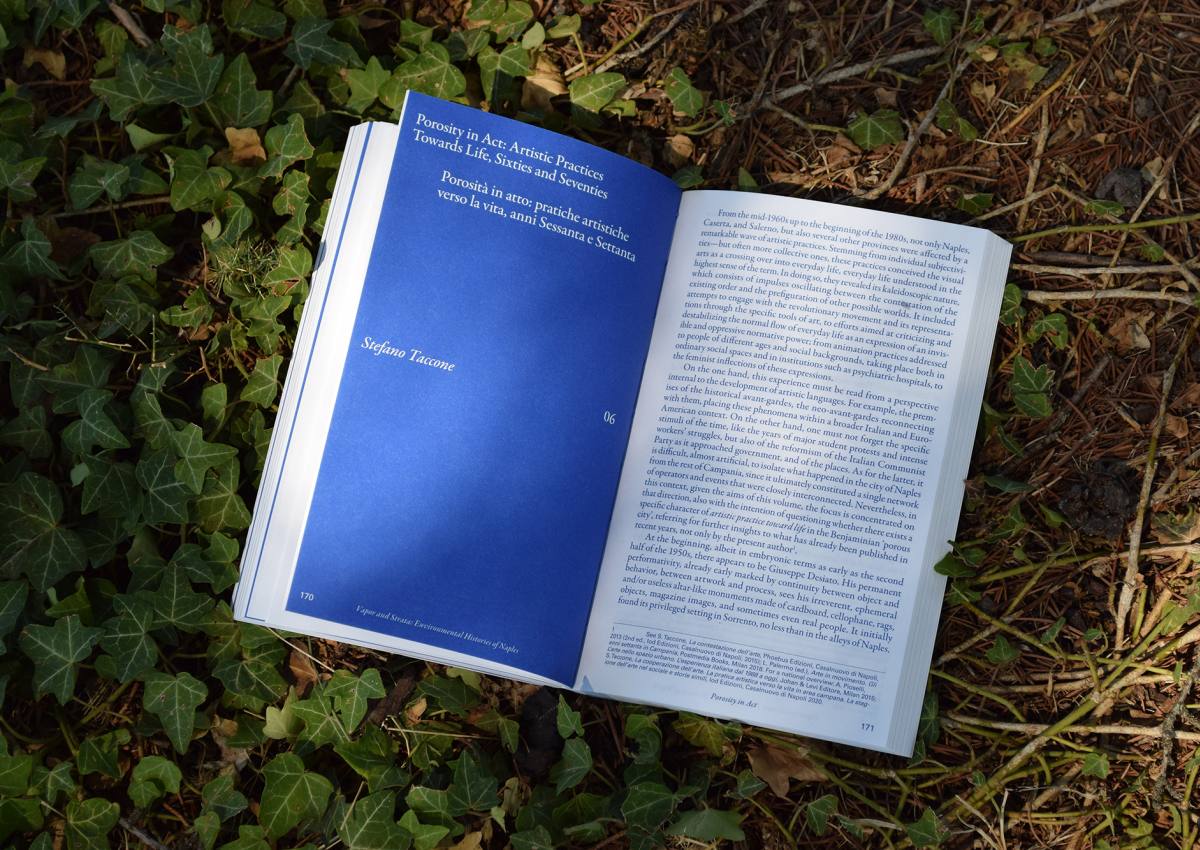
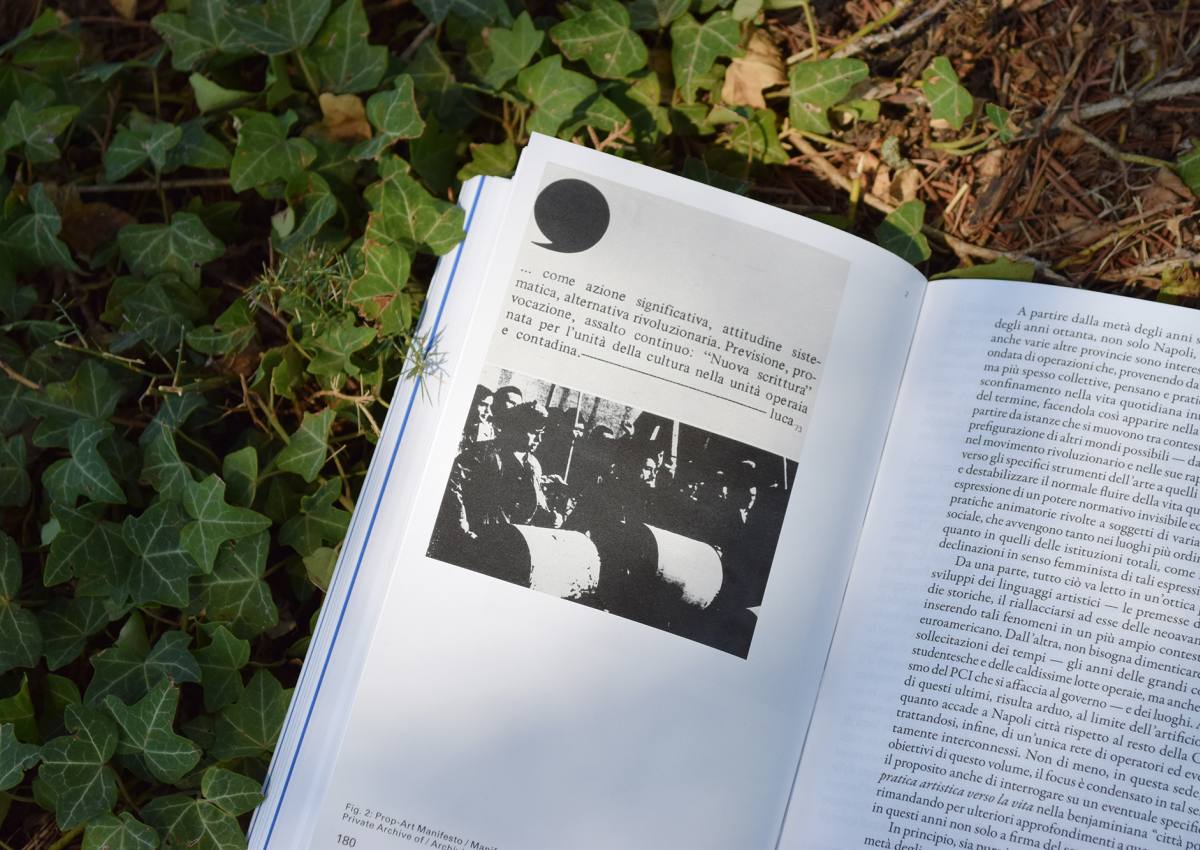
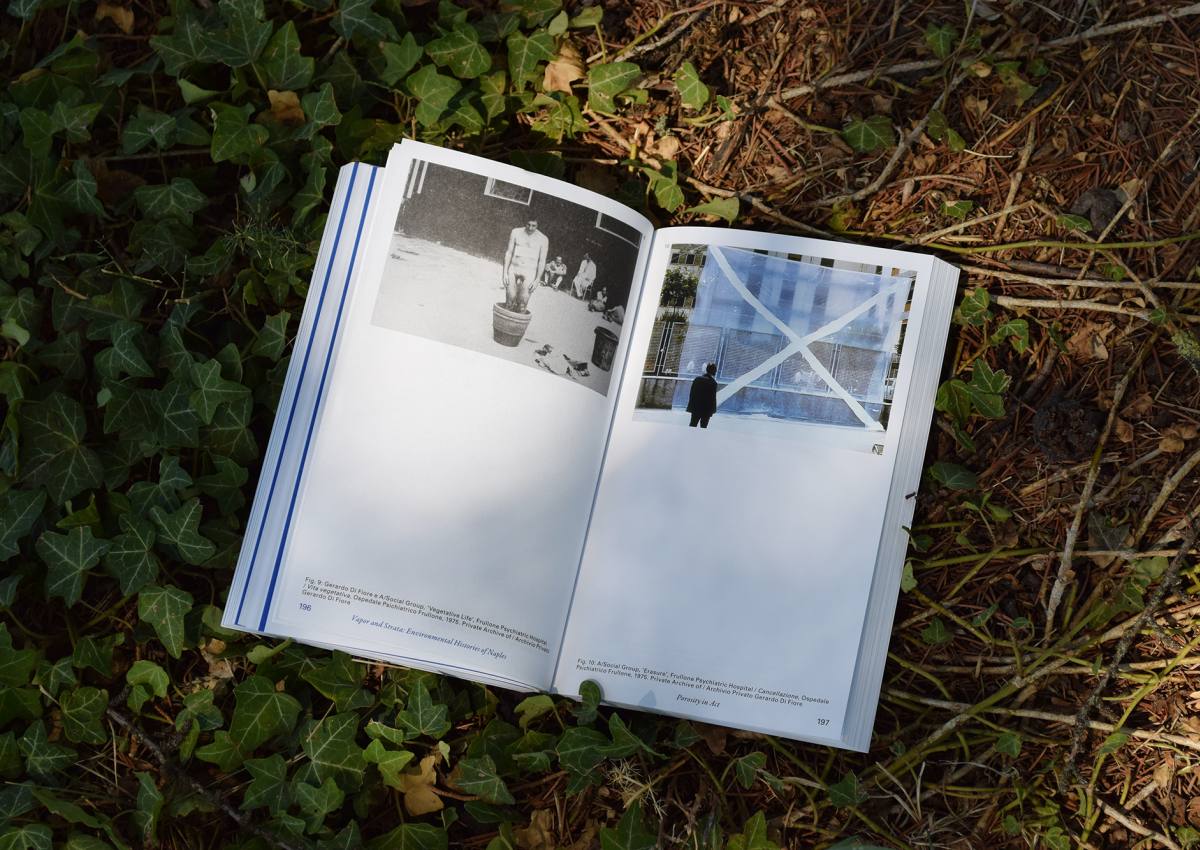
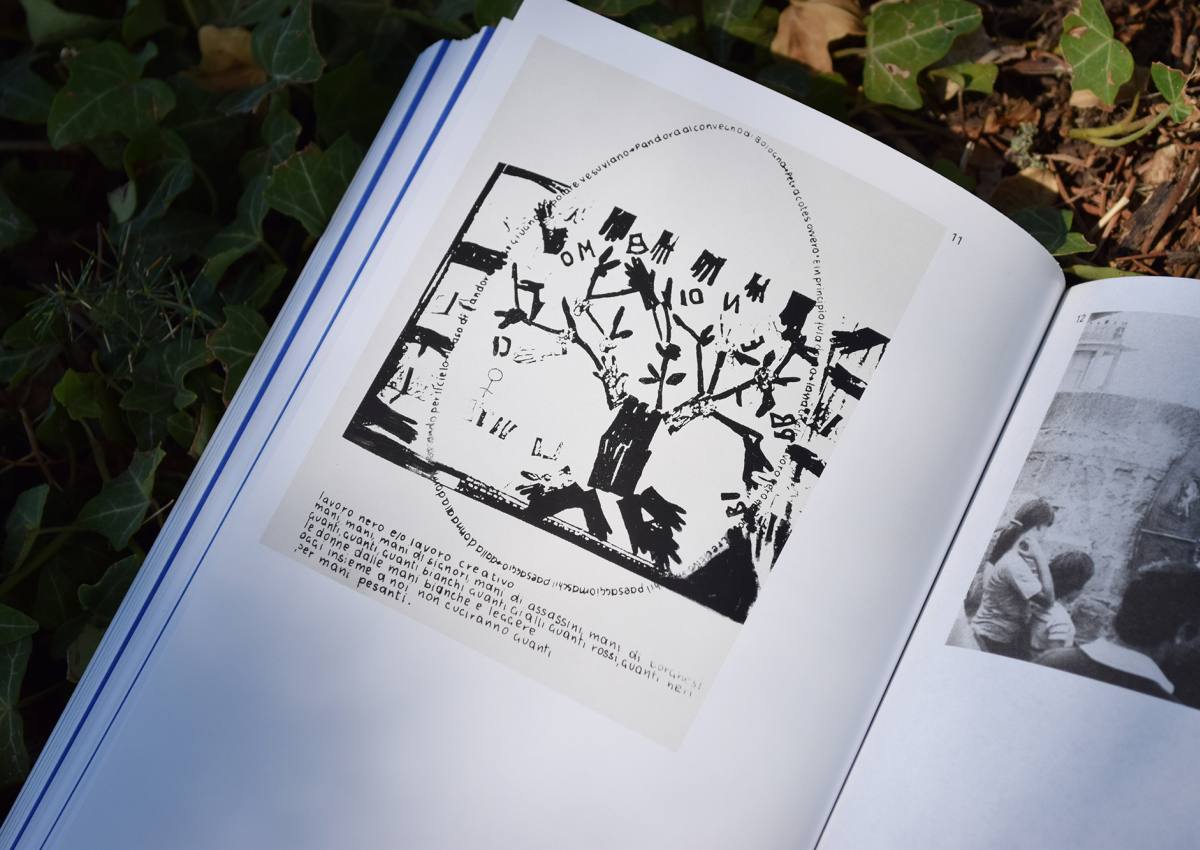
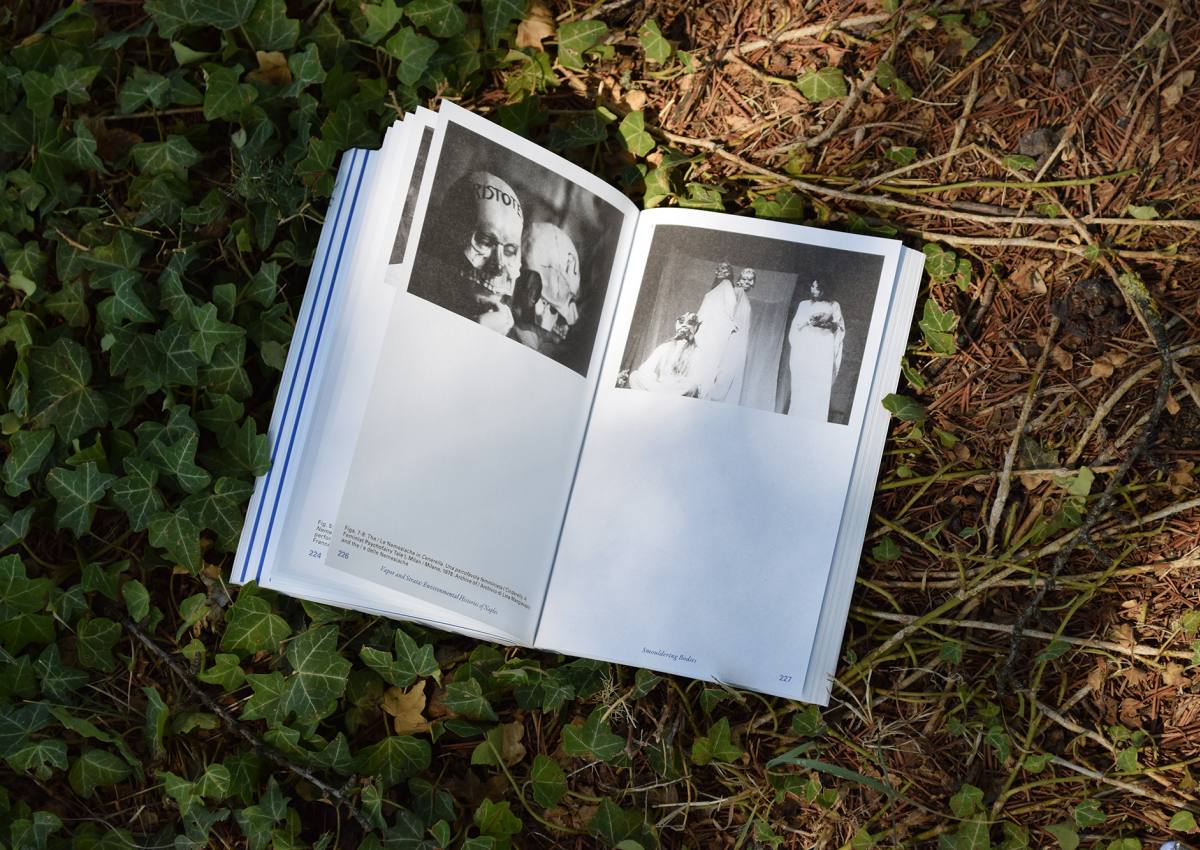
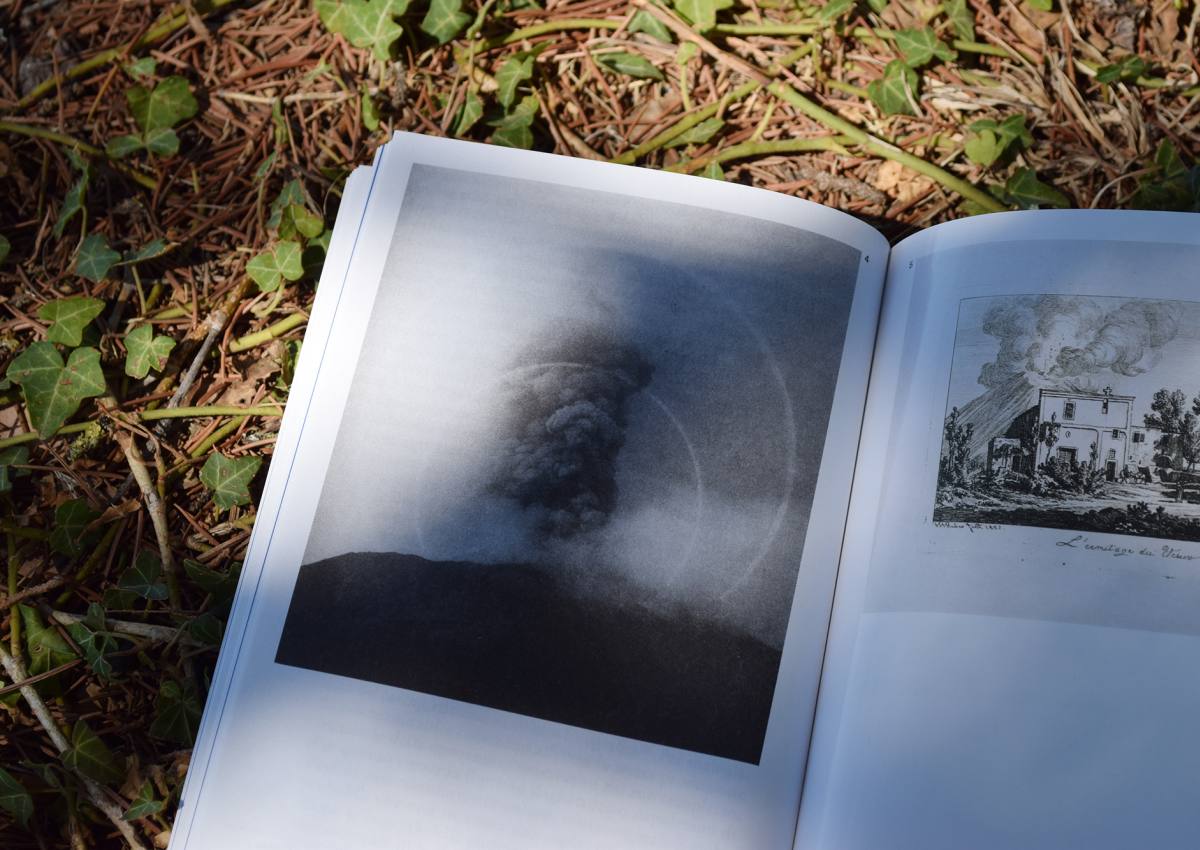
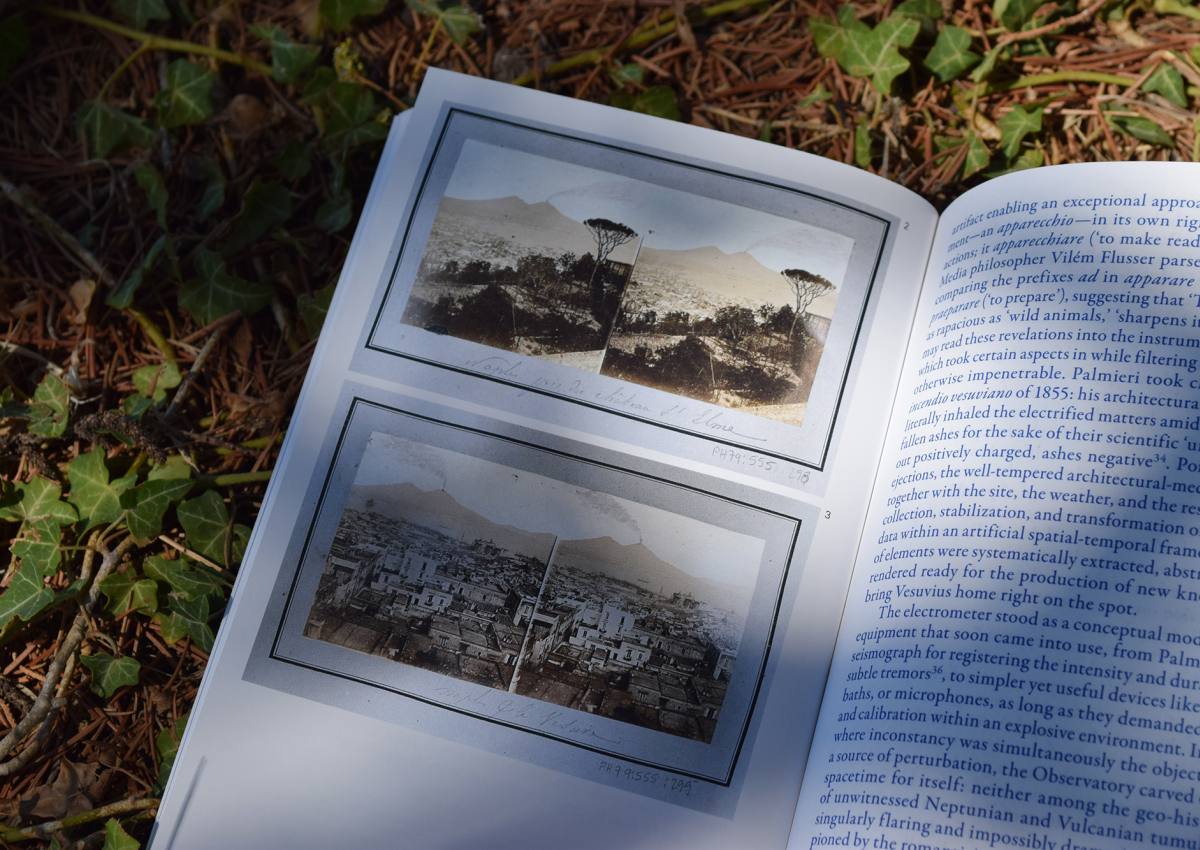
Vapor and Strata. Environmental Histories of Naples
€ 18
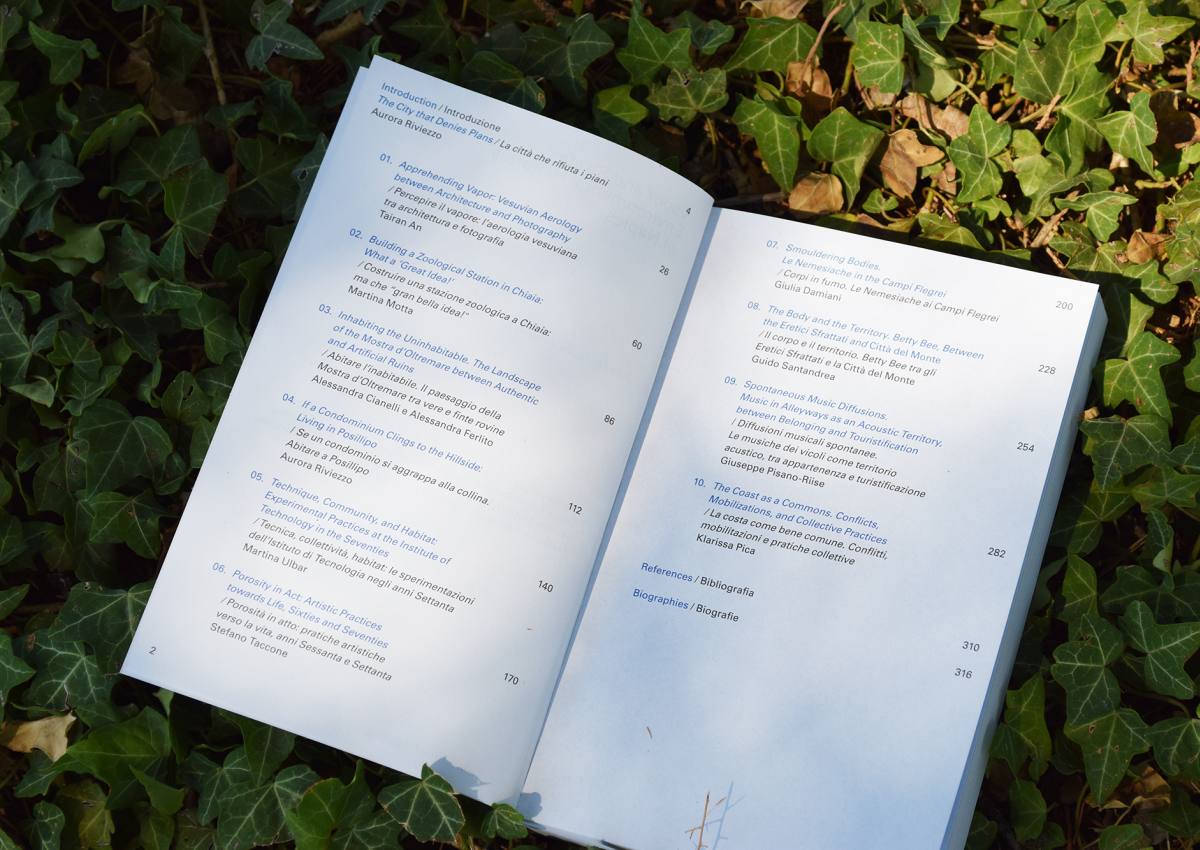
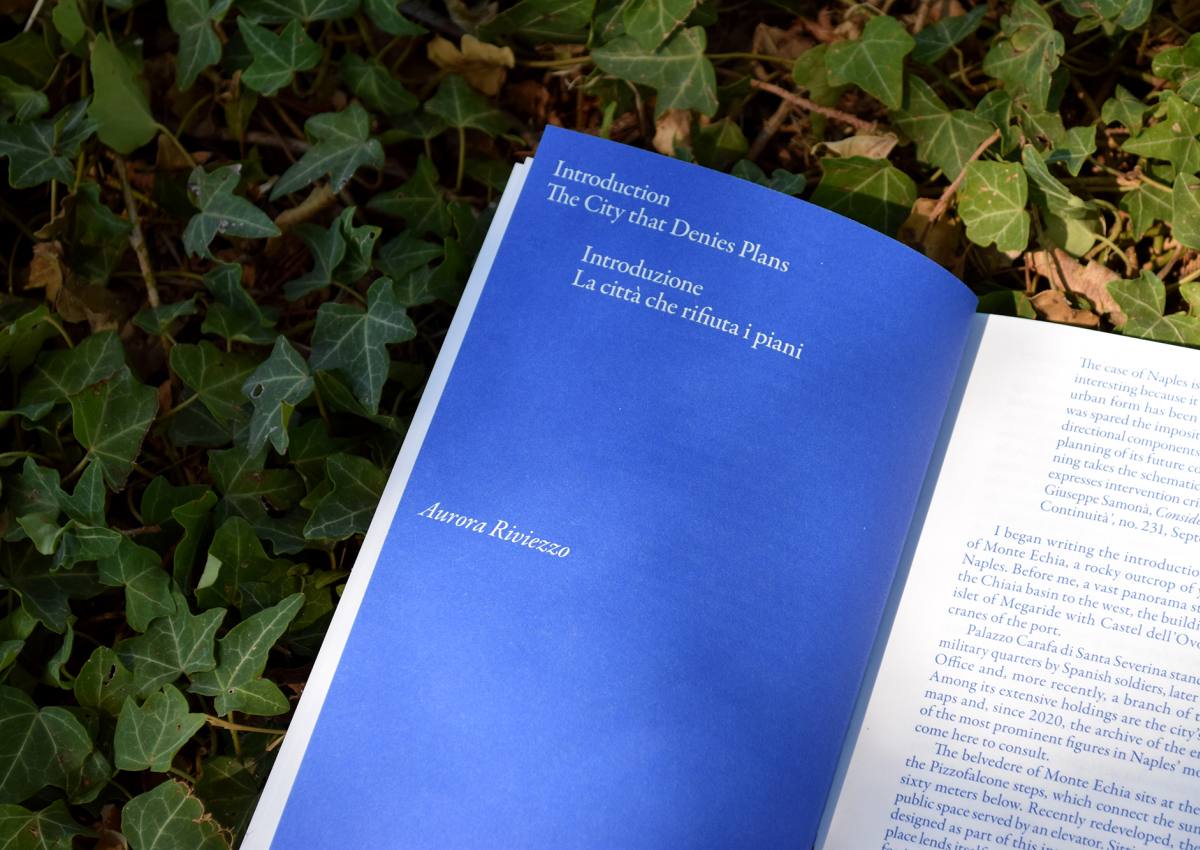
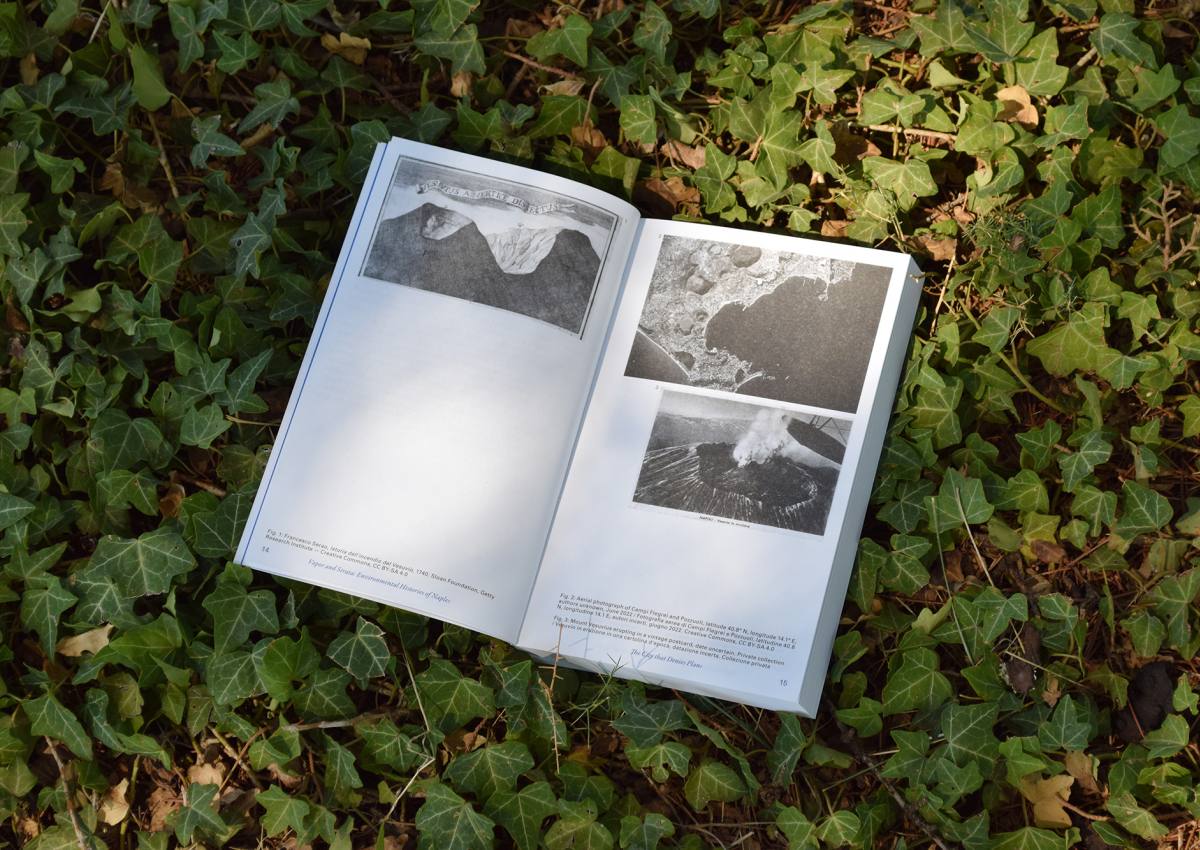
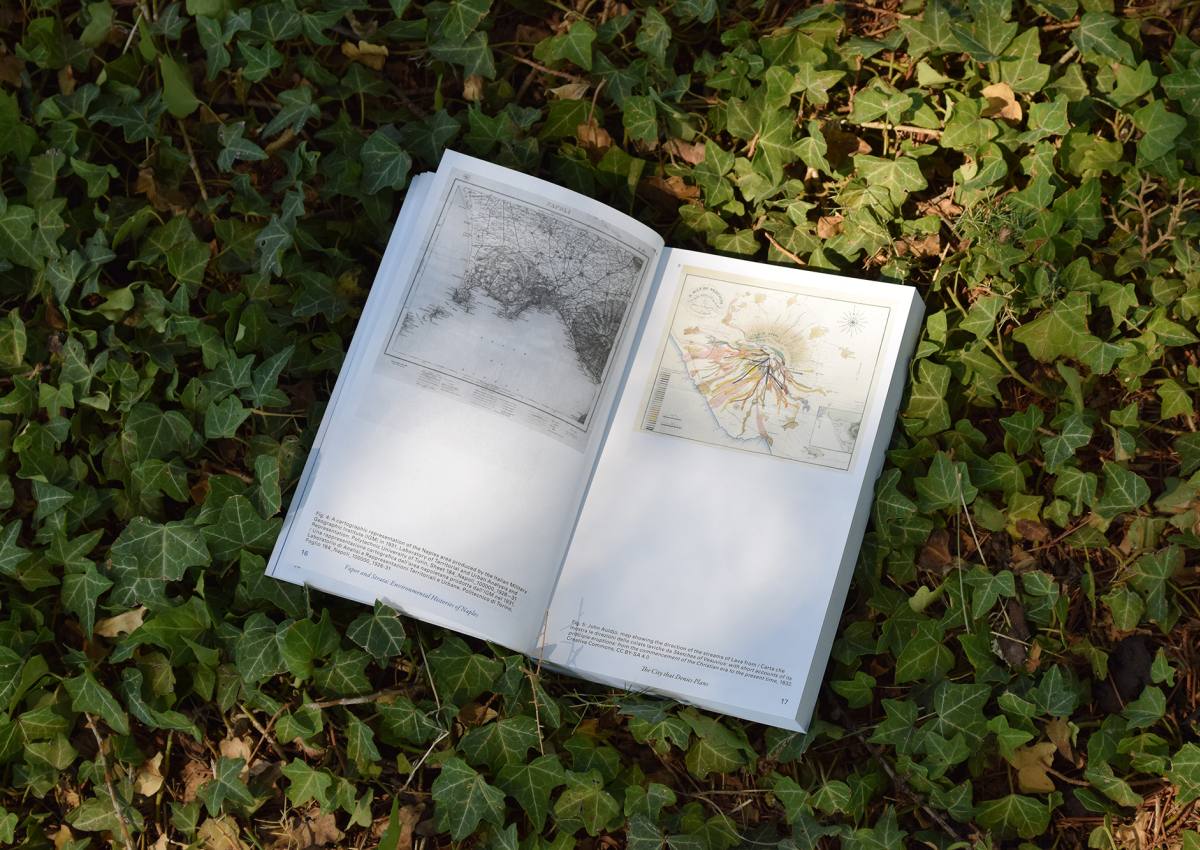
Aurora Riviezzo
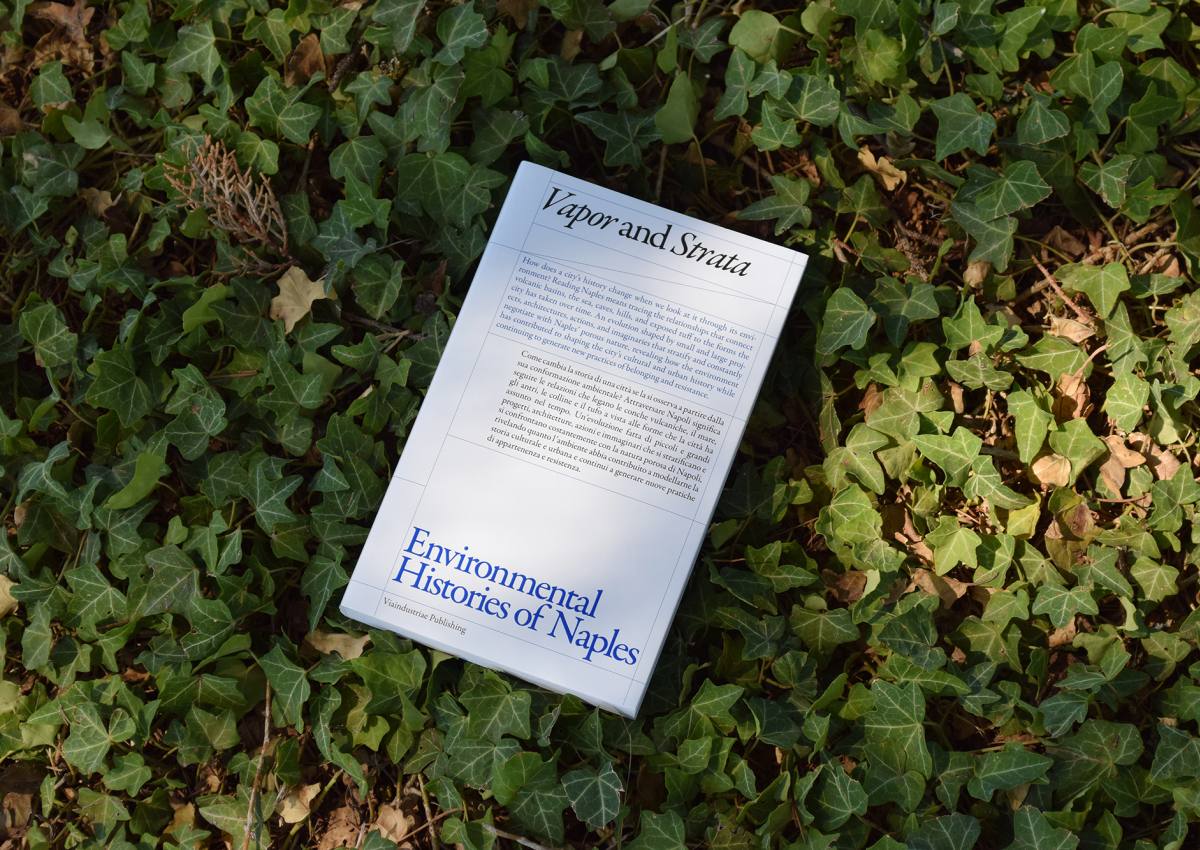
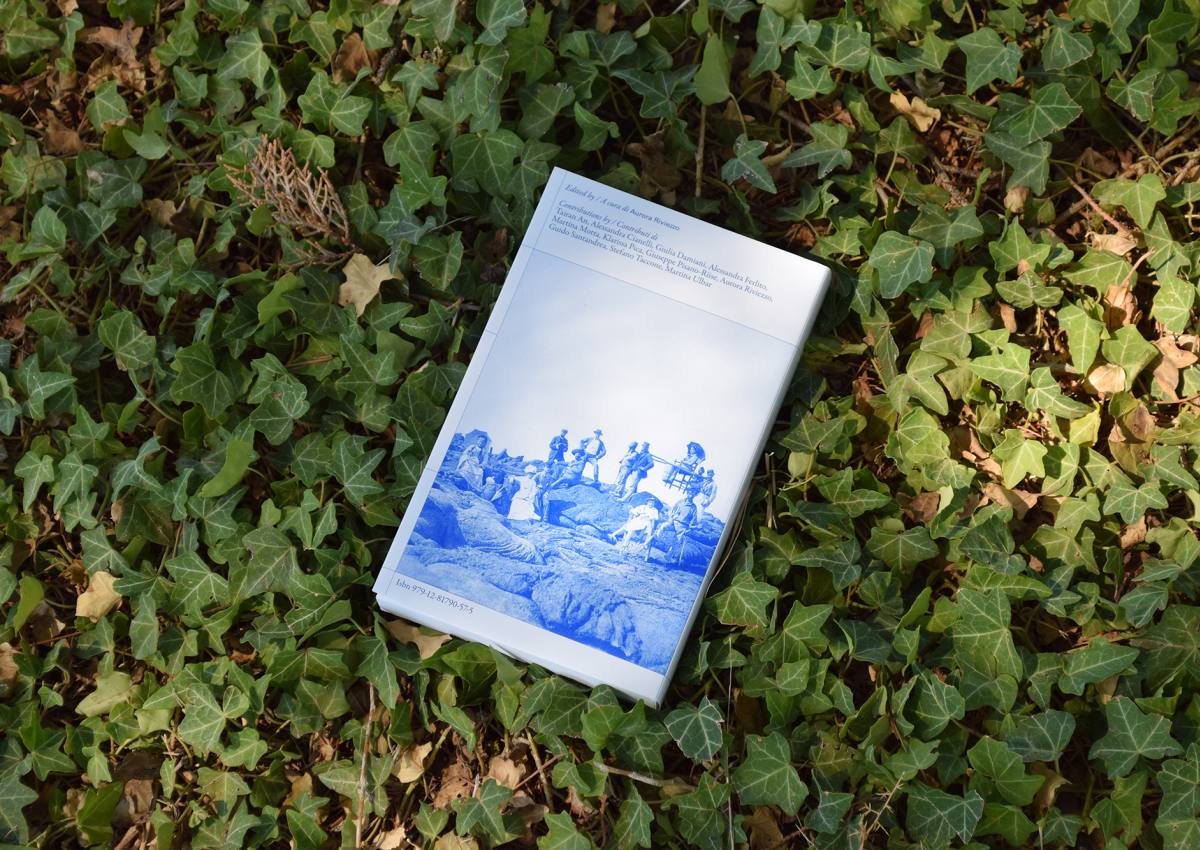
Vapor and Strata. Environmental Histories of Naples
€ 18
Contributions by Tairan An, Alessandra Cianelli, Giulia Damiani, Alessandra Ferlito, Martina Motta, Klarissa Pica, Giuseppe Pisano-Riise, Aurora Riviezzo, Guido Santandrea, Stefano Taccone, Martina Ulbar
Edited by Aurora Riviezzo
Produced by Almanac
This volume was produced with the support of ALMANAC, Direzione generale Biblioteche e Istituti Culturali del Mic, Environmental History Group and of the Dipartimento di Architettura e Design del Politecnico di Torino.
320 pp.
11,5 x 18,5 cm
color and bw printing
eng/ita
2026
ISBN 979-12-81790-57-5
Category: Territorial research Theory
How does a city's history change when we look at it through its environment? Reading Naples means tracing the relationships that connect volcanic basins, the sea, caves, hills, and exposed tuff to the forms the city has taken over time. An evolution shaped by small and large projects, architectures, actions, and imaginaries that stratify and constantly negotiate with Naples' porous nature, revealing how the environment has contributed to shaping the city's cultural and urban history while continuing to generate new practices of belonging and resistance.
Aa. Vv.
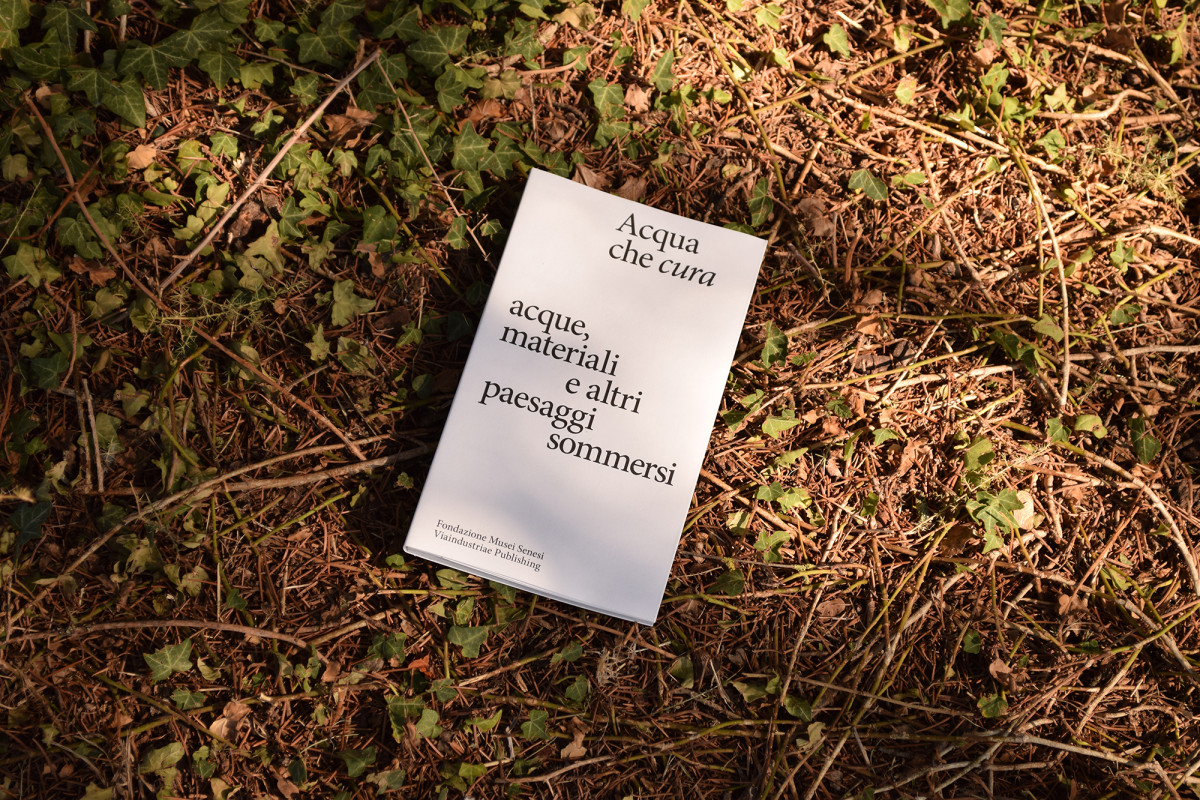
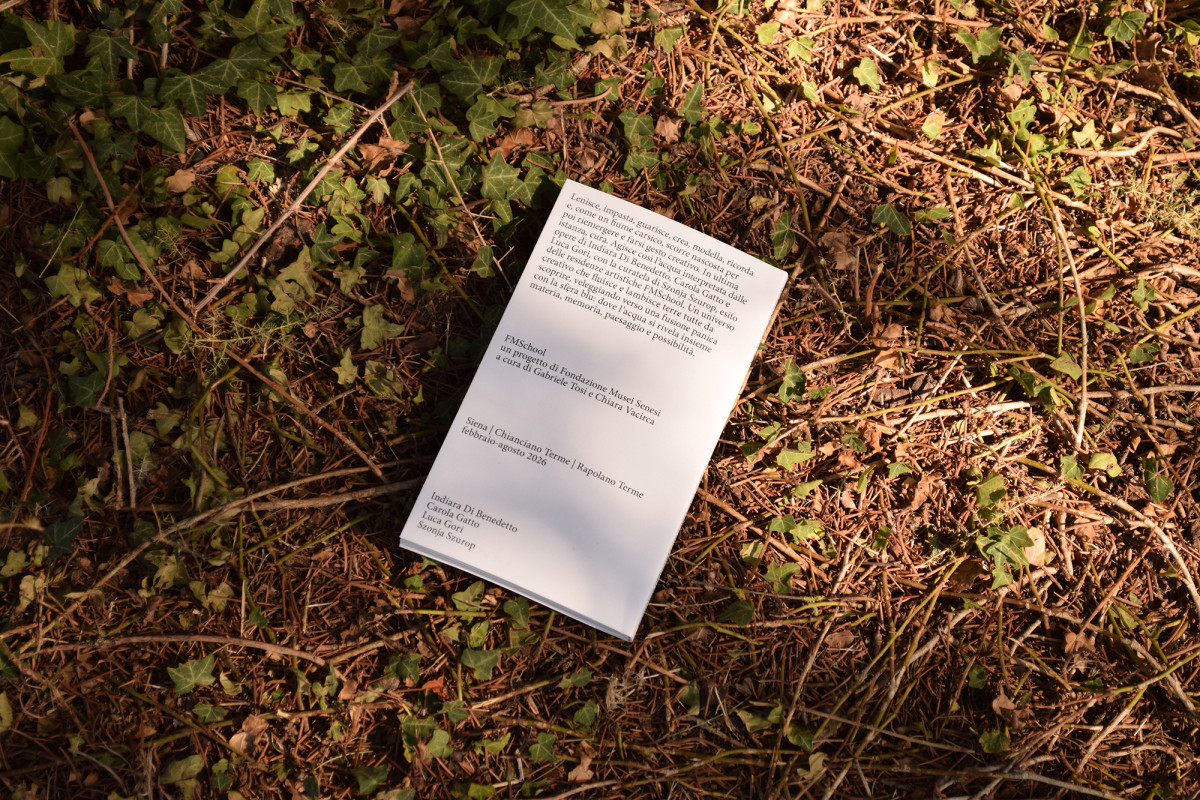
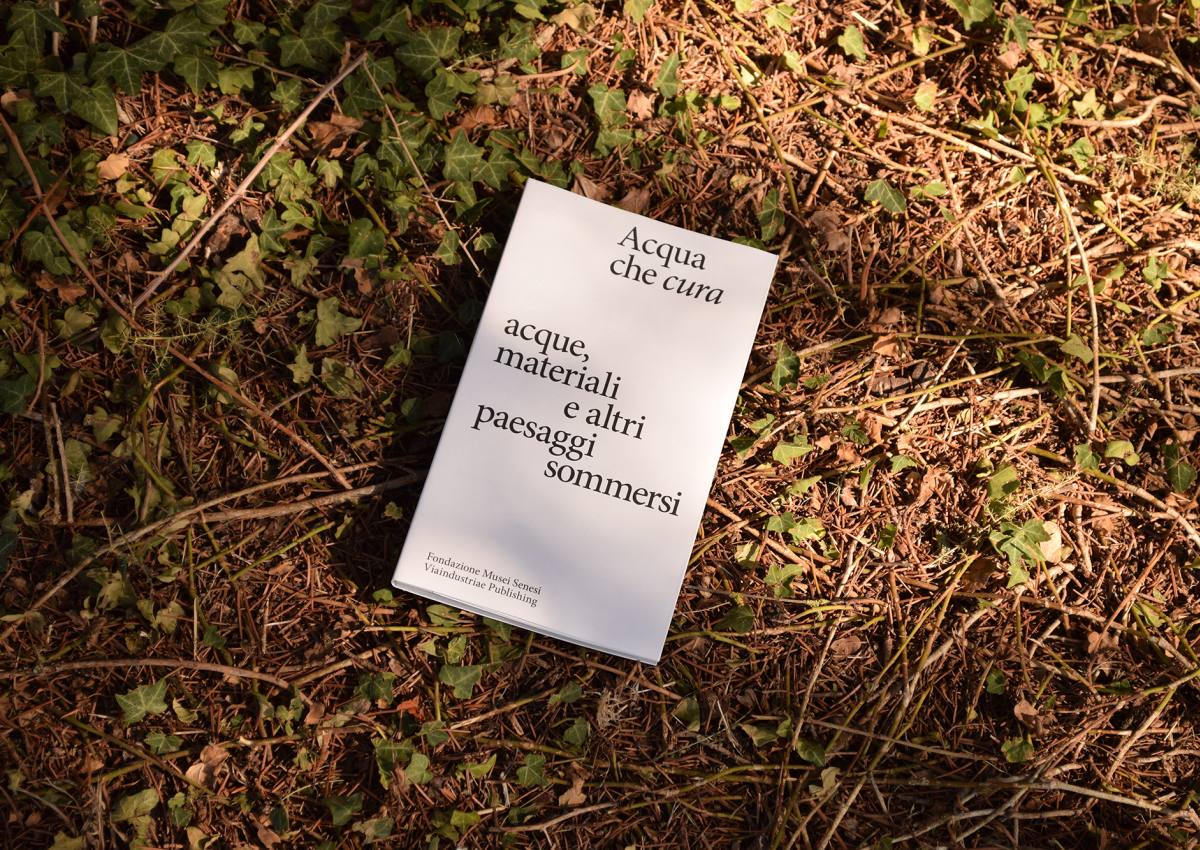
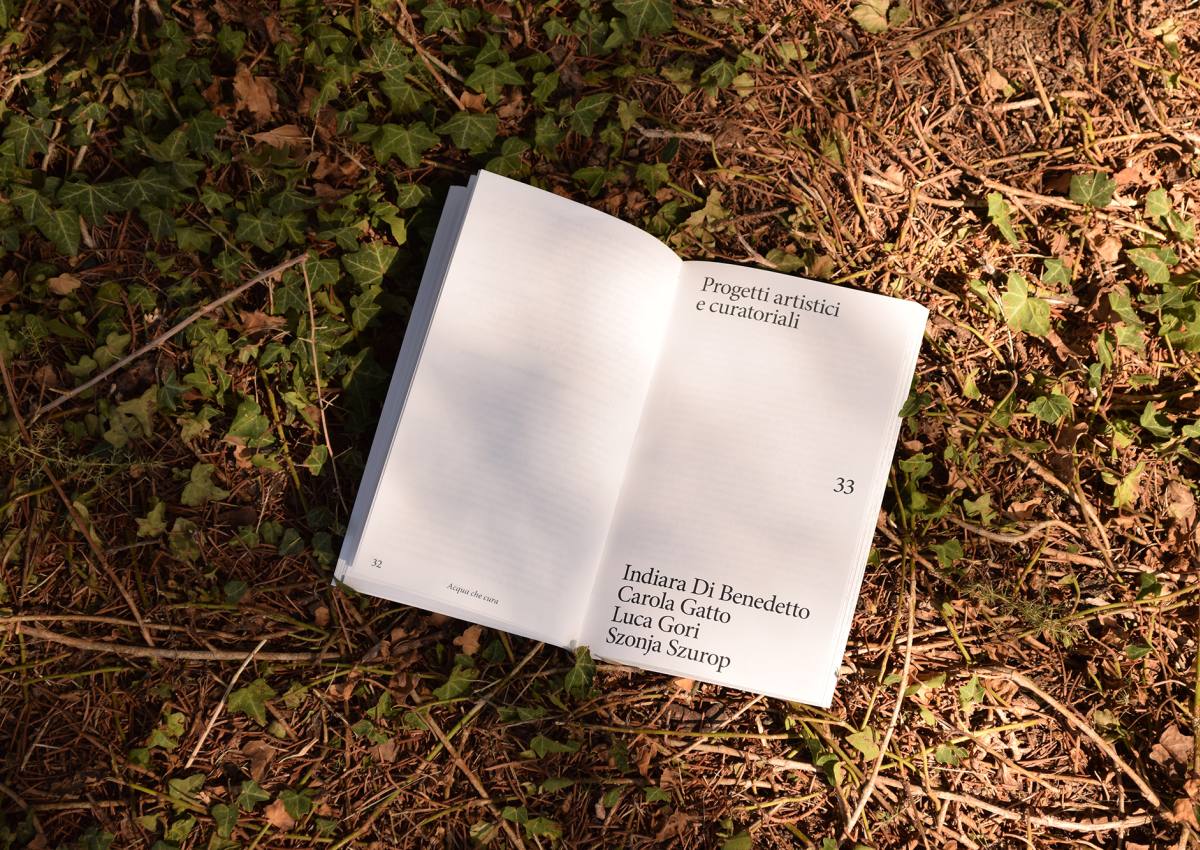
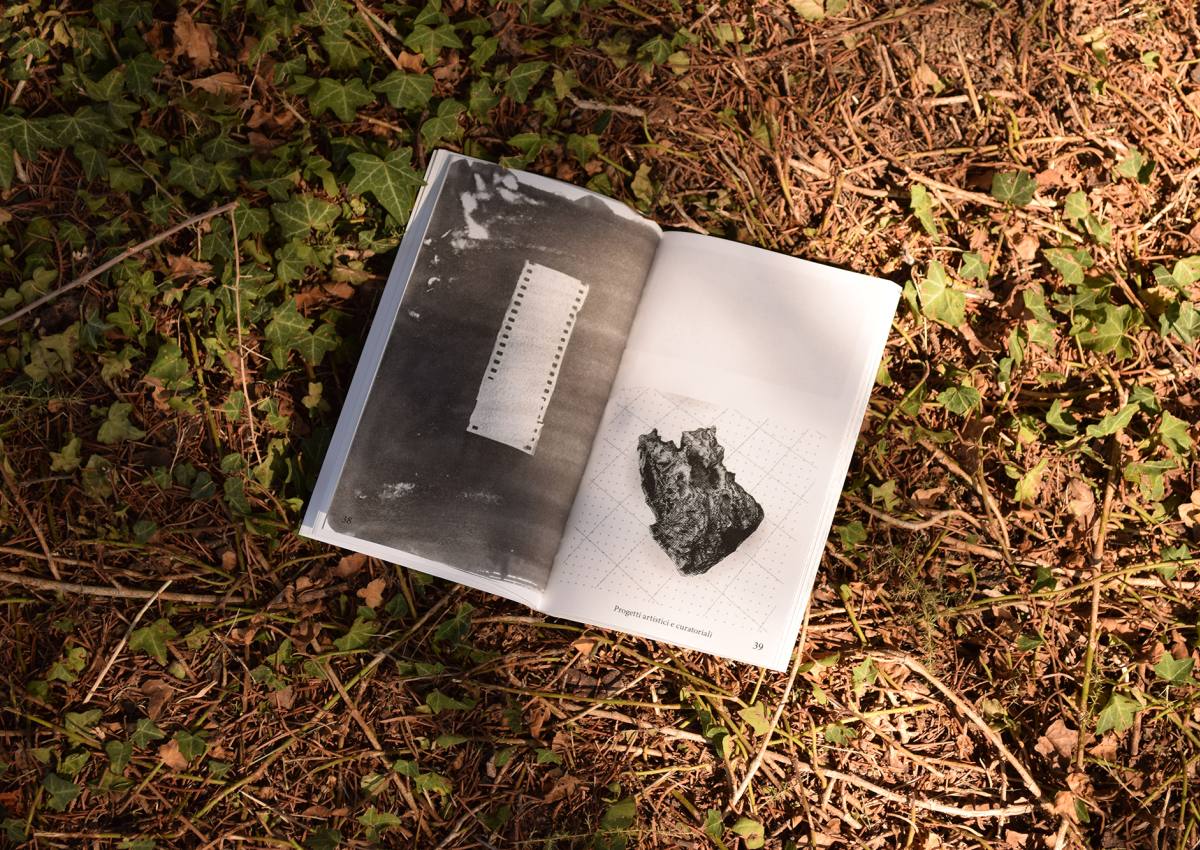
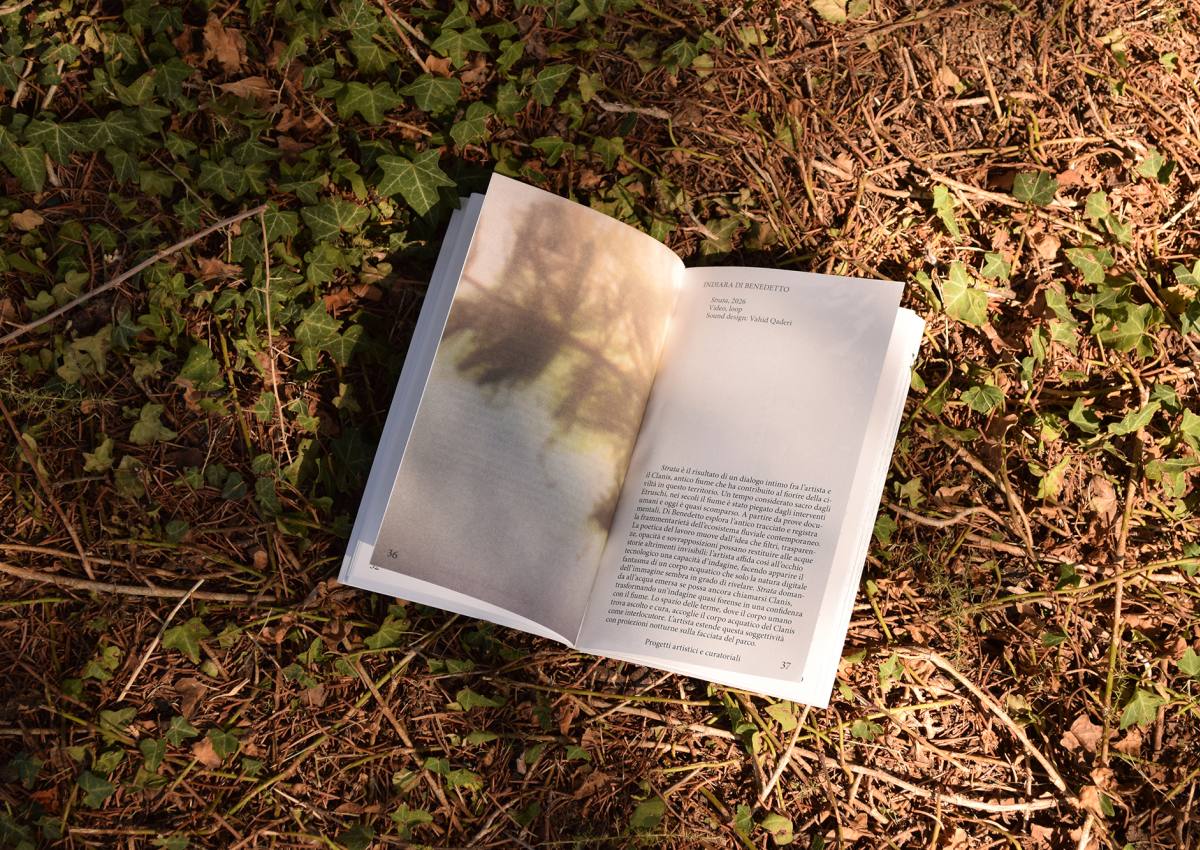
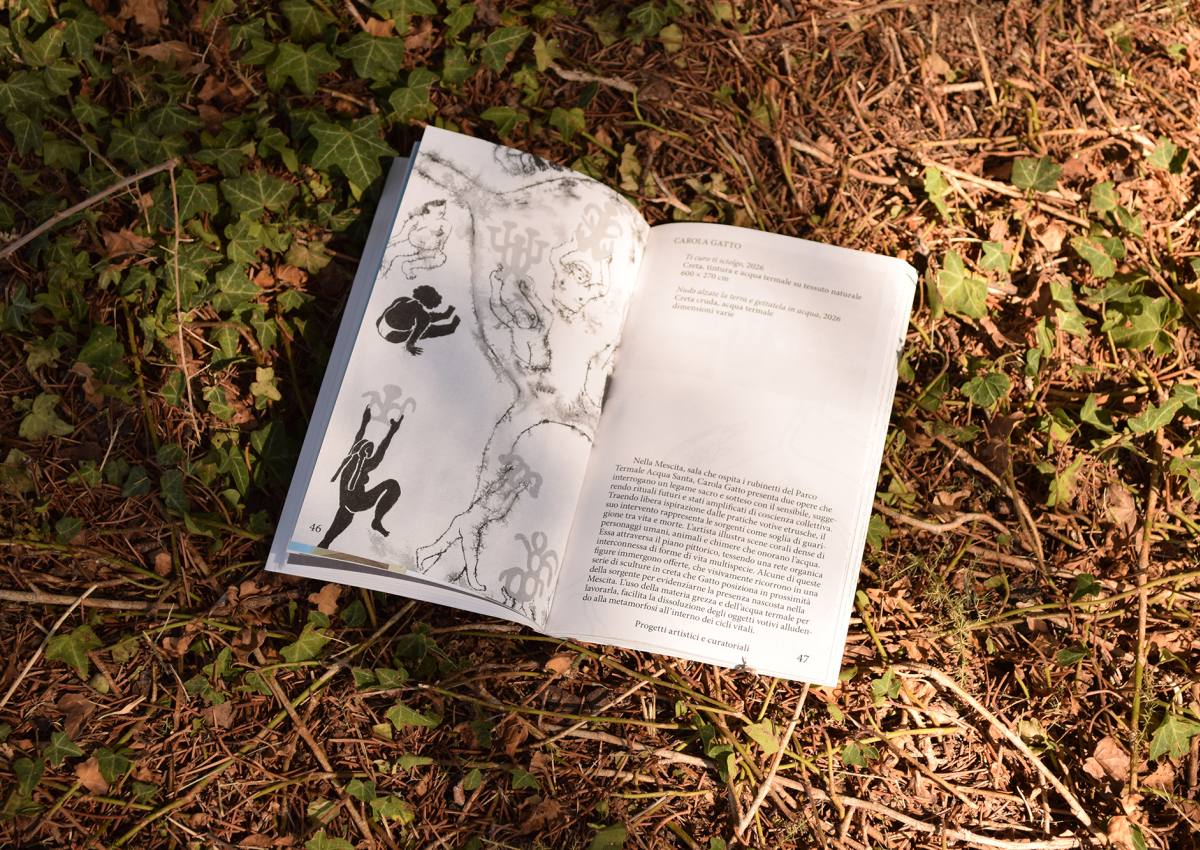
Acqua che cura
Out of stock
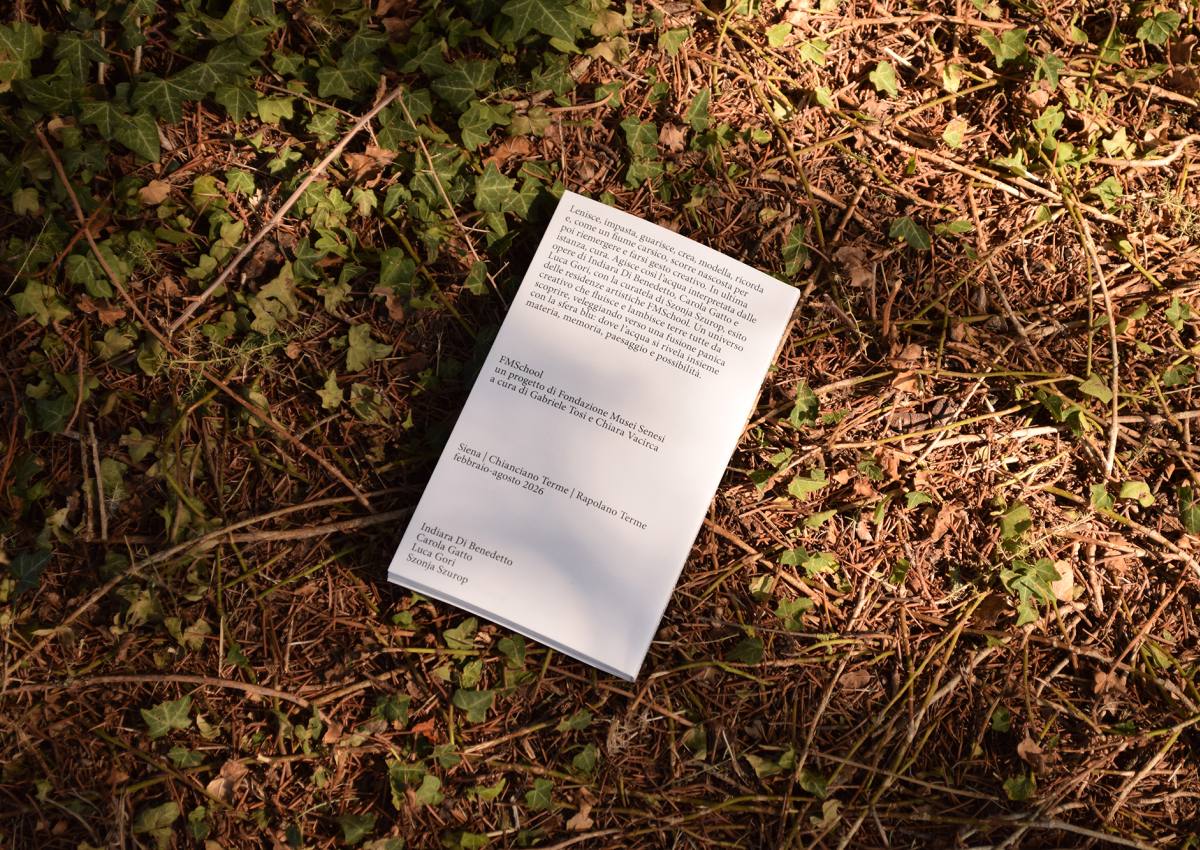
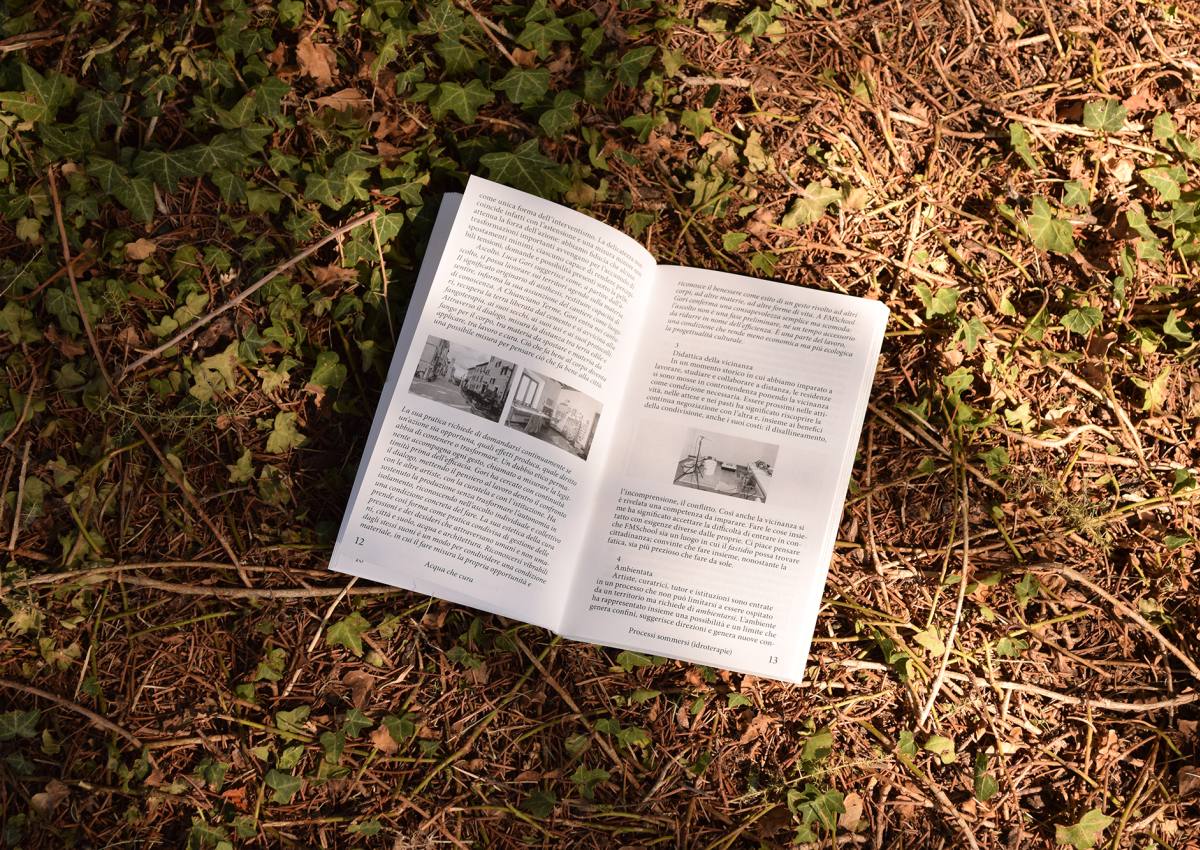
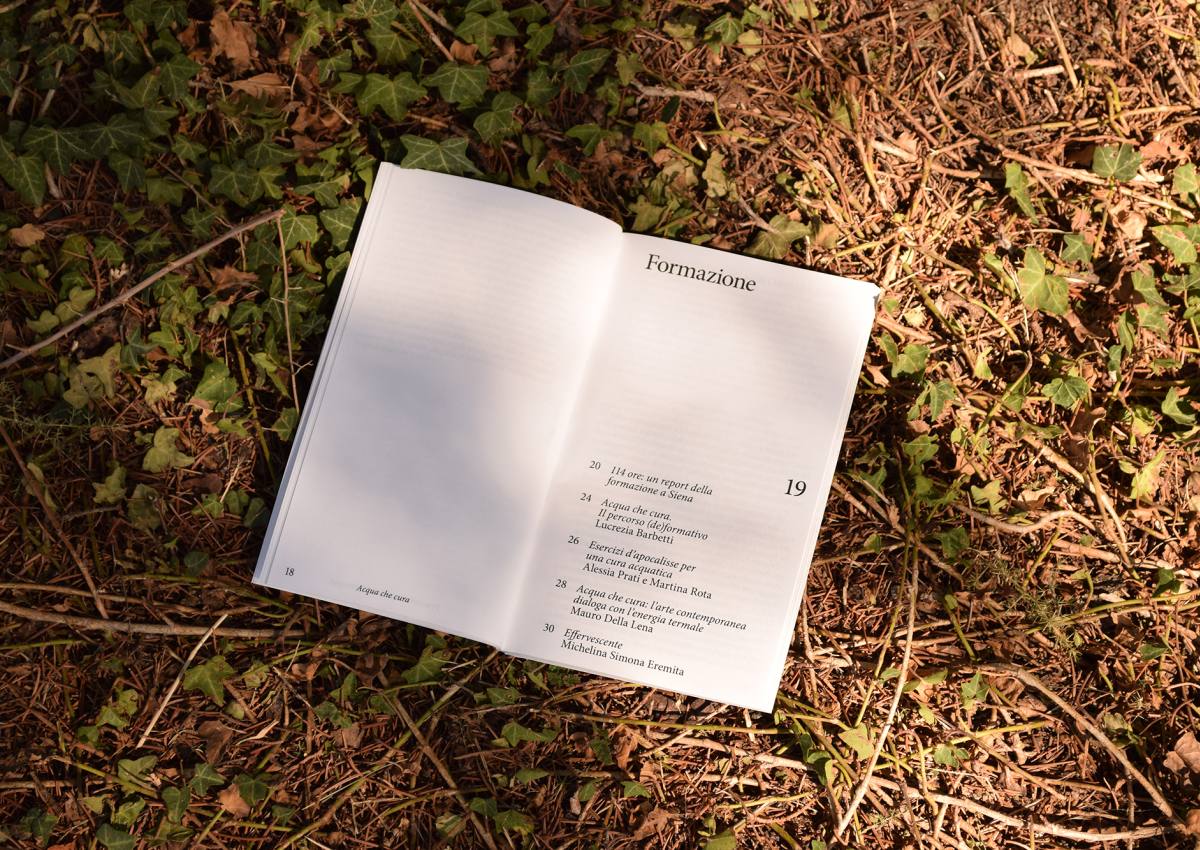
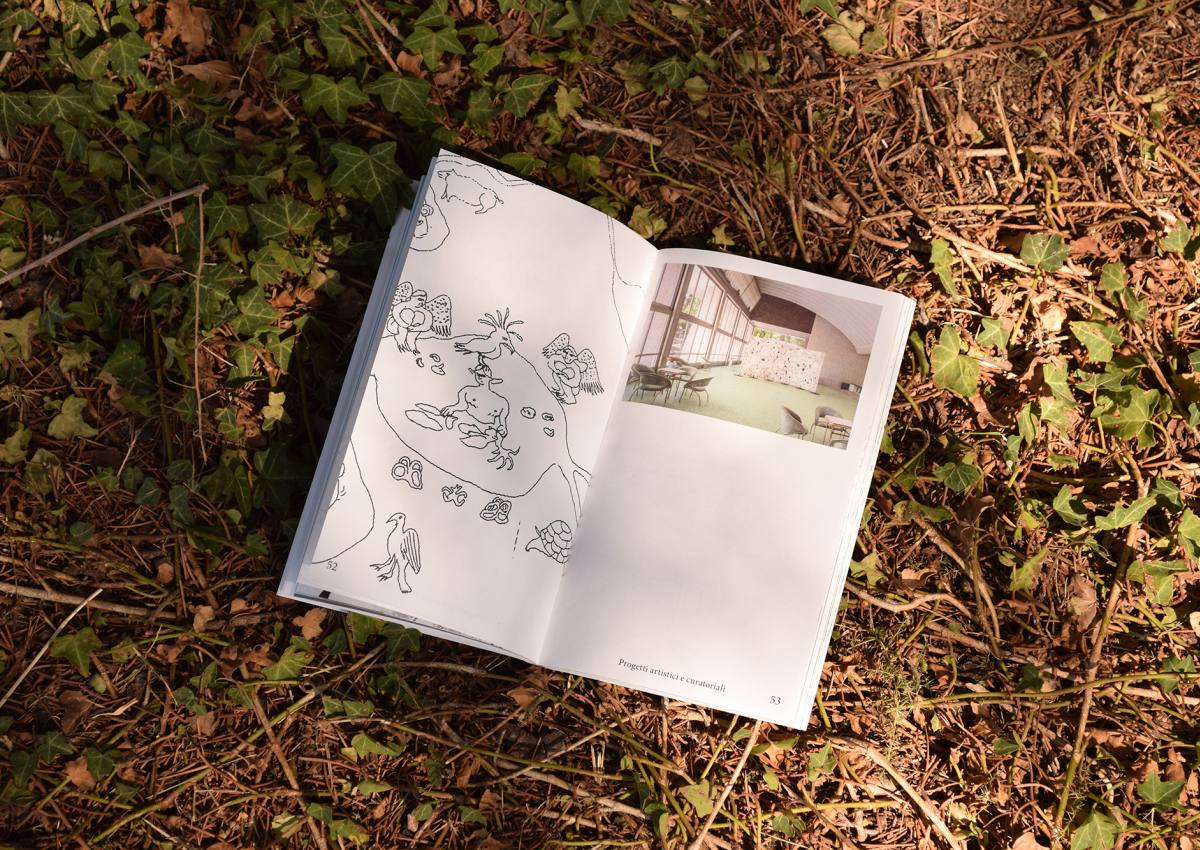
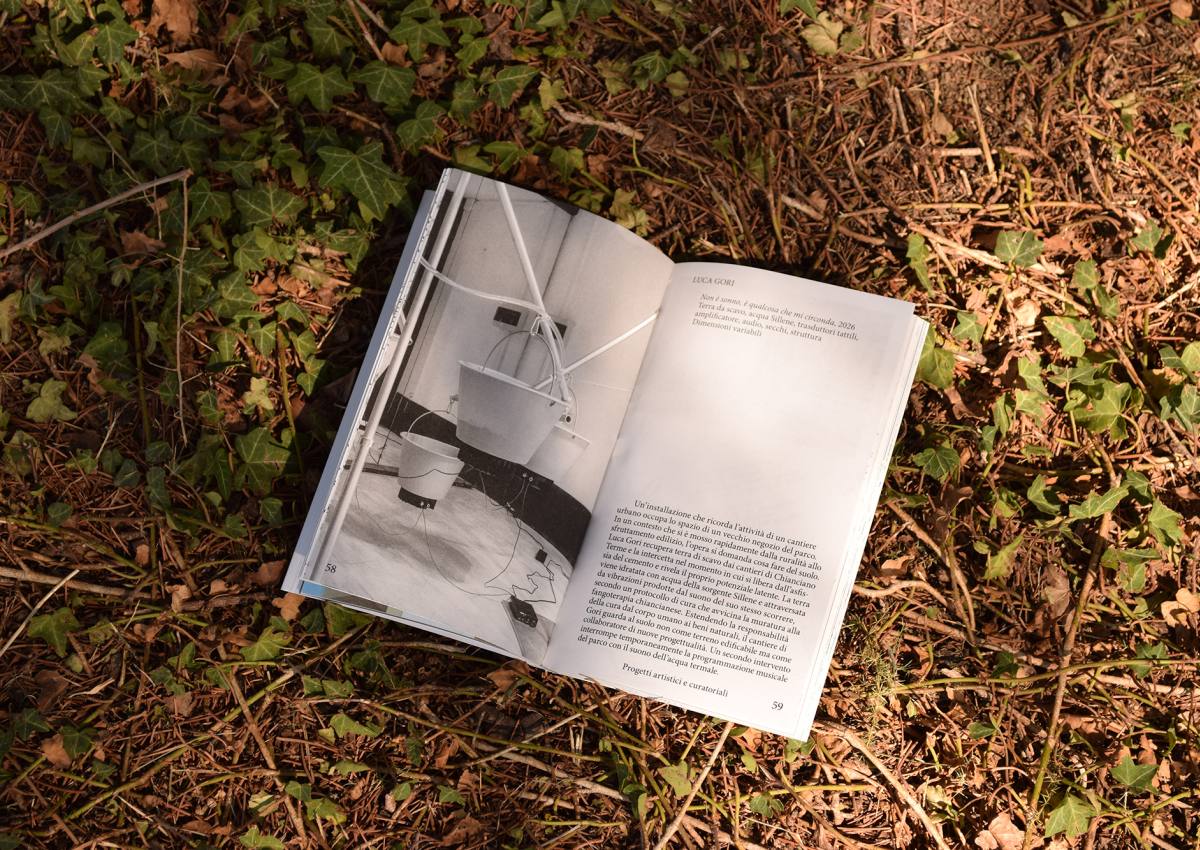
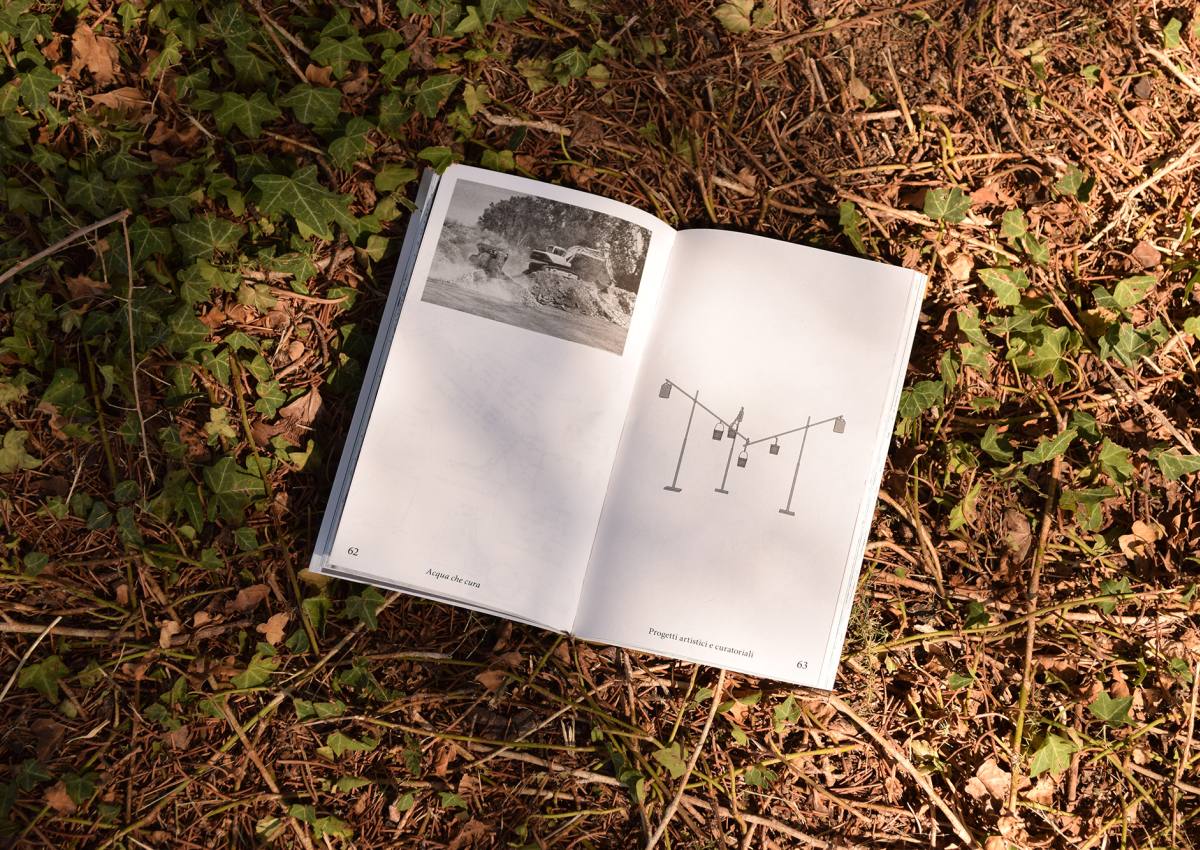
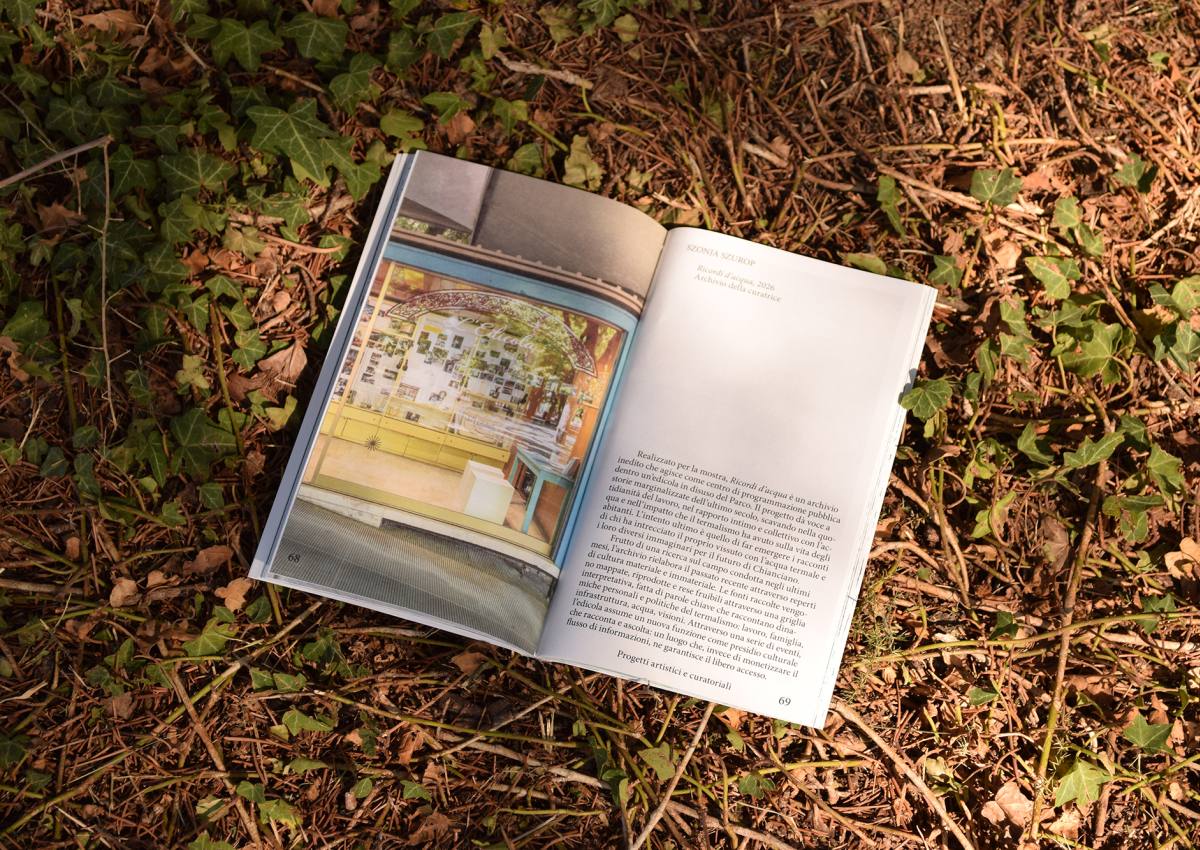
Aa. Vv.
Acqua che cura
Out of stock
Edited by Gabriele Tosi, Chiara Vacirca
Texts by Lucrezia Barbetti, Giacomo Bandini, Ieri Bruni, Mauro Della Lena, Michelina Simona Eremita, Marta Ghigi, NUB Project (Francesca Lenzi, Federico Fiori), Bianca Marsella, Alessia Prati, Martina Rota, Sonja Szurop, Gabriele Tosi, Chiara Vacirca
Editorial coordination Mattia Barana
Project by Fondazione Musei Senesi
Funded by Programma Regionale Toscana FSE+ 2021–2027 with the support of European Union and Regione Toscana.
120 pp.
11,5 x 19,5 cm
two-color printing (black and green)
ita
2026
Category: Catalogues Territorial research
It soothes, kneads, heals, creates, shapes, remembers and, like an underground river, flows unseen before resurfacing as a creative gesture. Ultimately, it cares. This is how water takes shape in the works of Indiara Di Benedetto, Carola Gatto and Luca Gori, curated by Szonja Szurop and developed through the FMSchool artistic residencies. A creative universe that flows and brushes against lands yet to be discovered, sailing towards a panpsychic fusion with the blue planet, where water reveals itself as matter, memory, landscape and possibility.
This publication is not for sale. It was distributed free of charge on the occasion of the exhibition opening and is available as a complimentary copy with the purchase of another Viaindustriae book.
Aa. Vv.
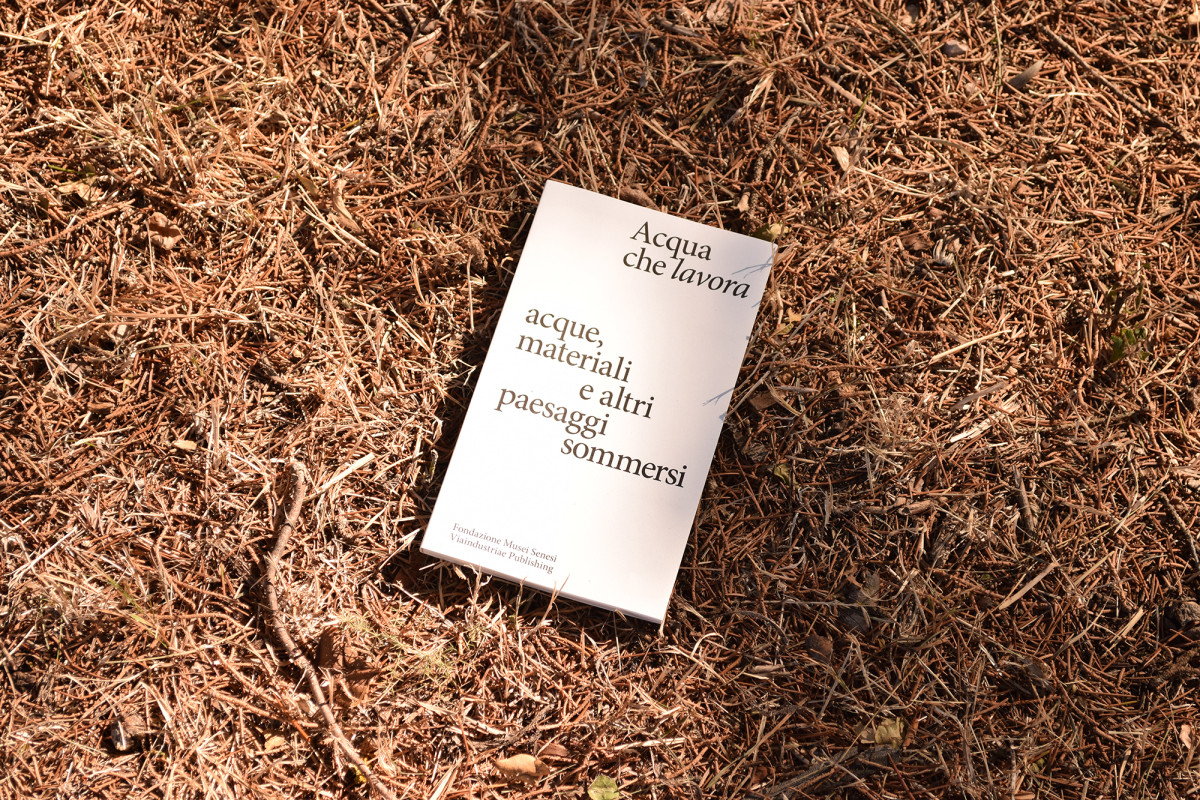
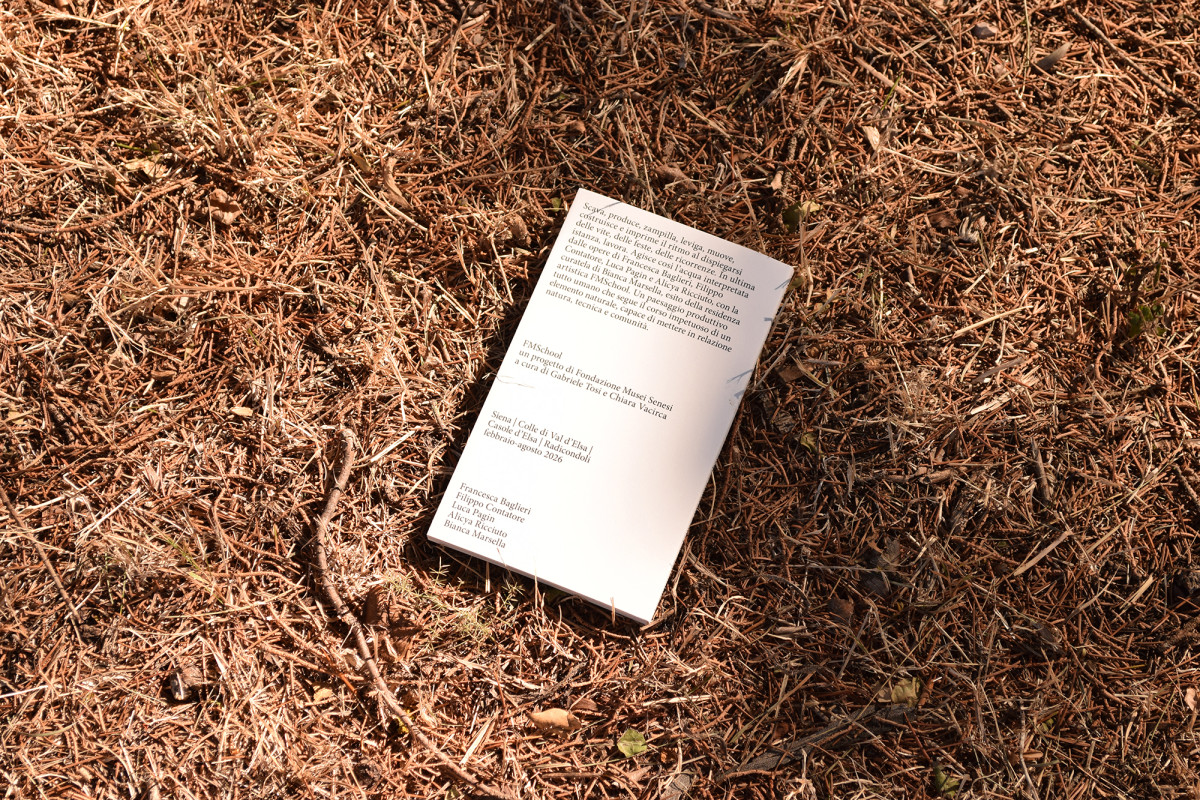
Acqua che lavora
Out of stock
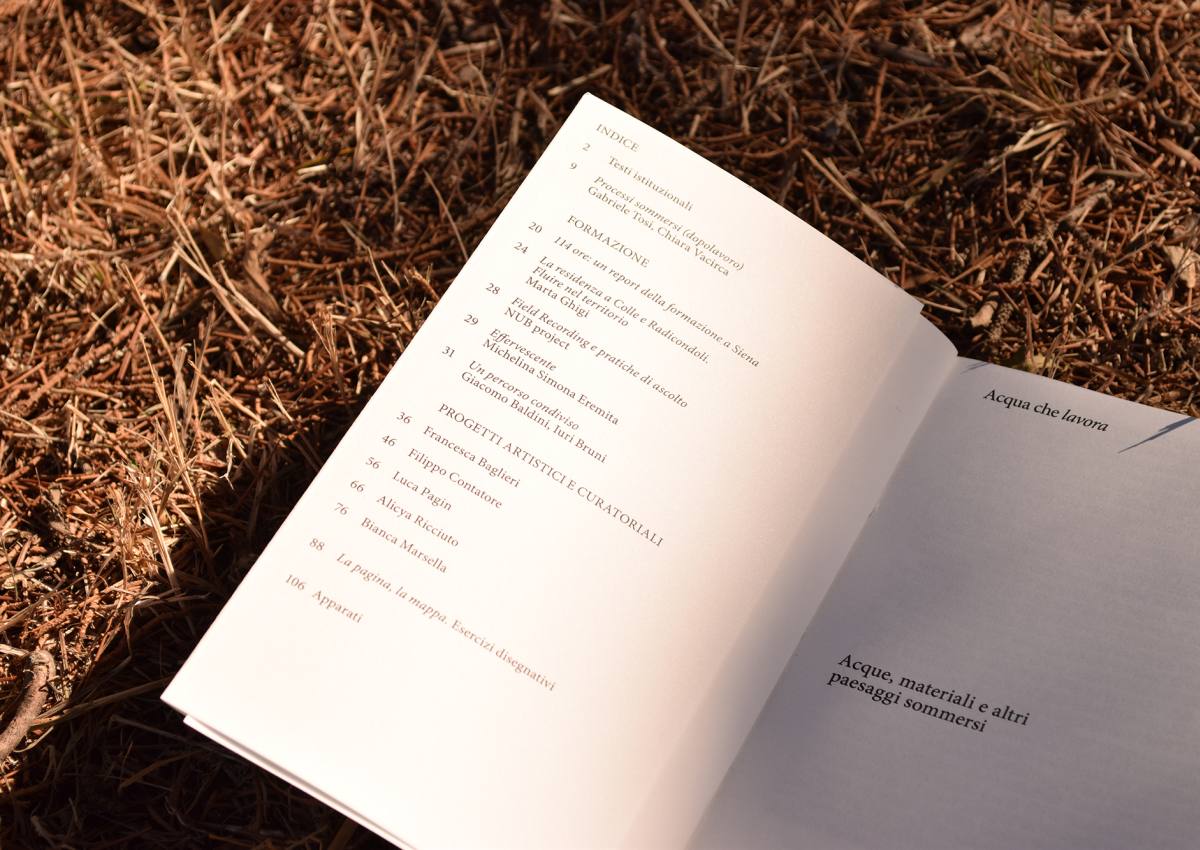
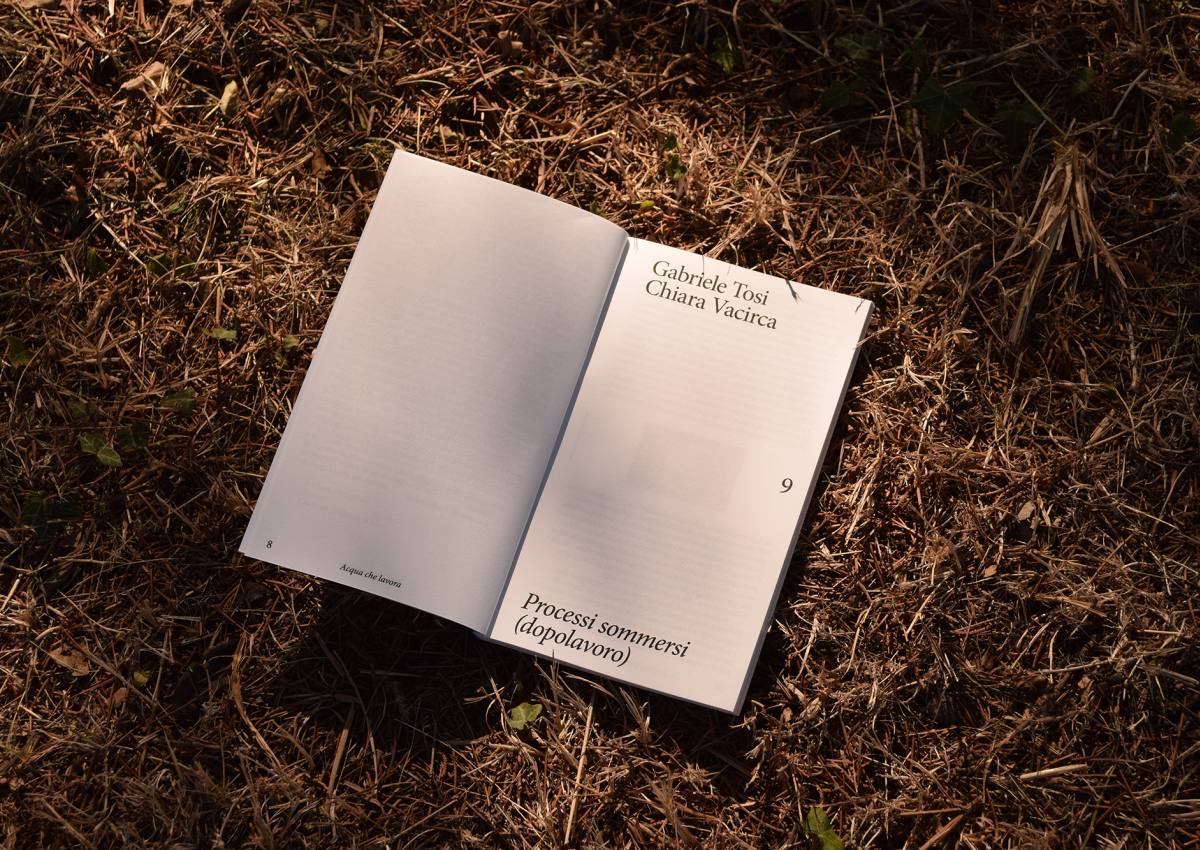
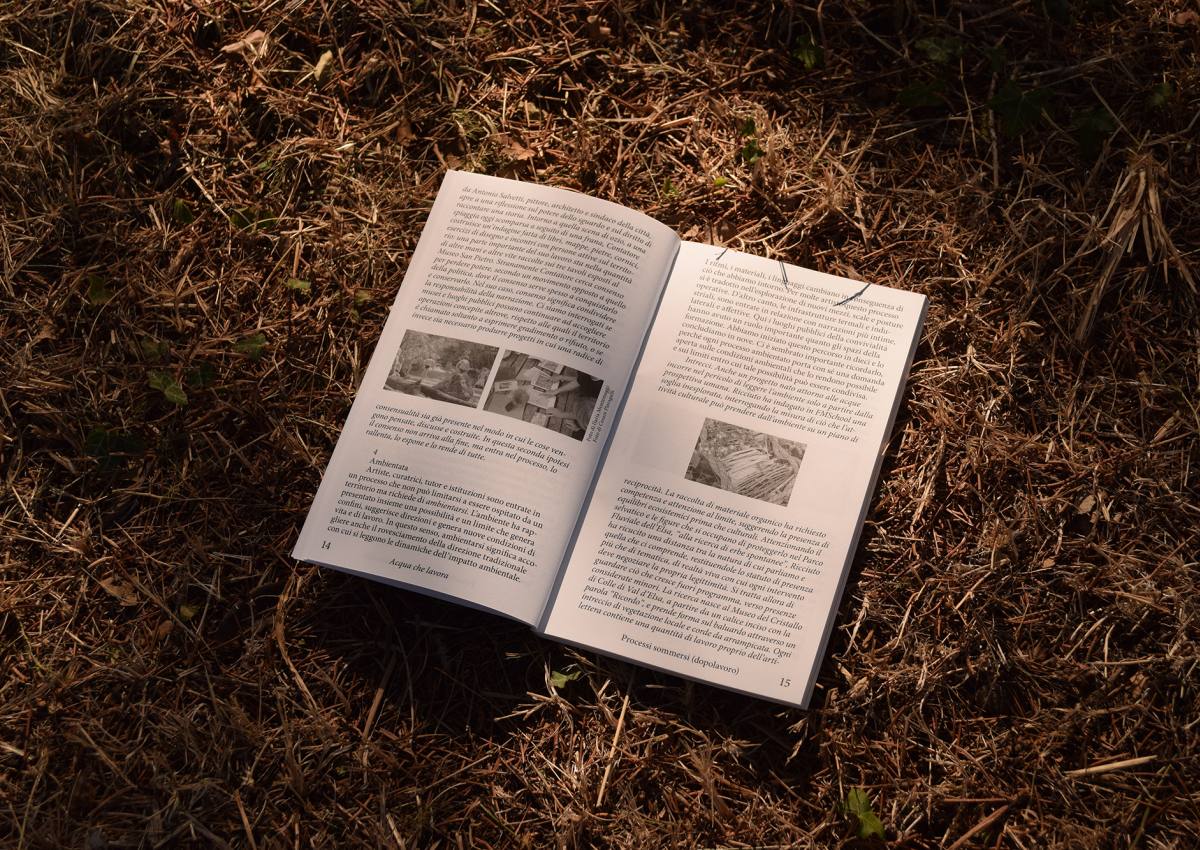
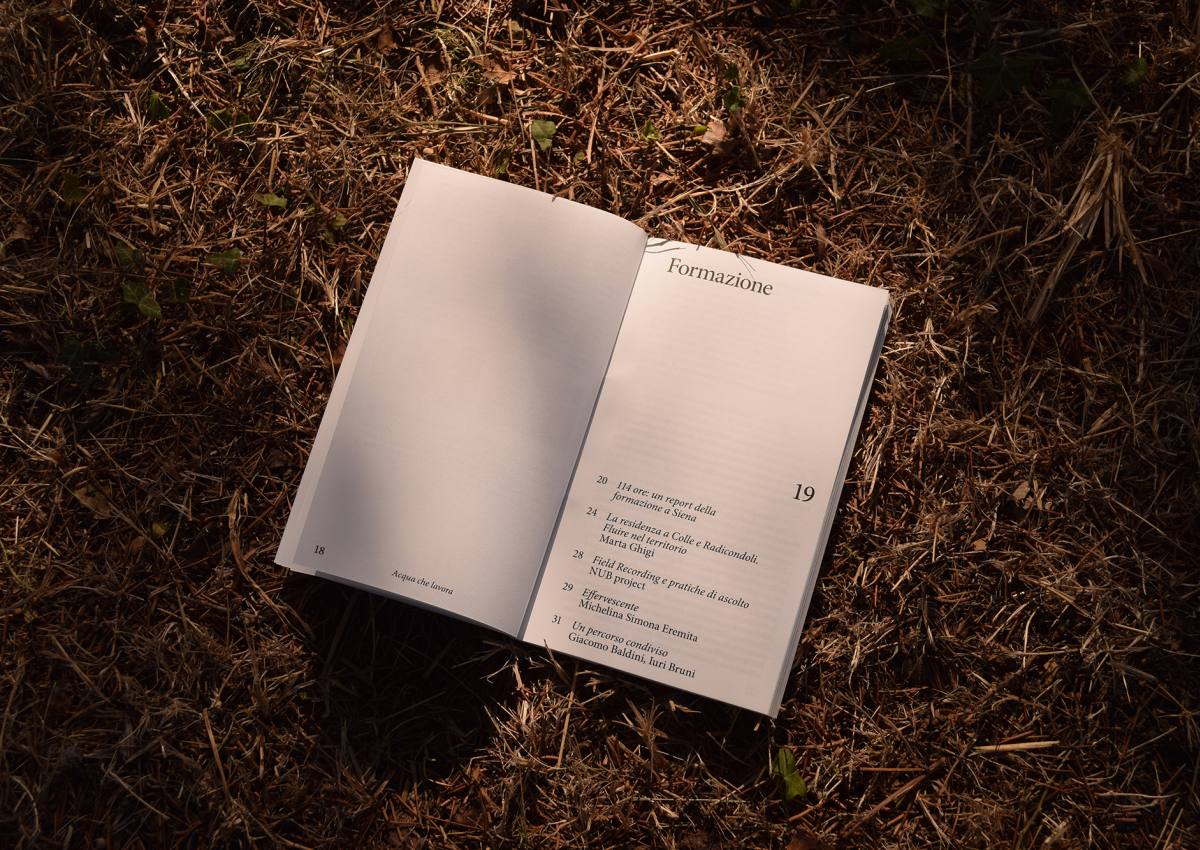
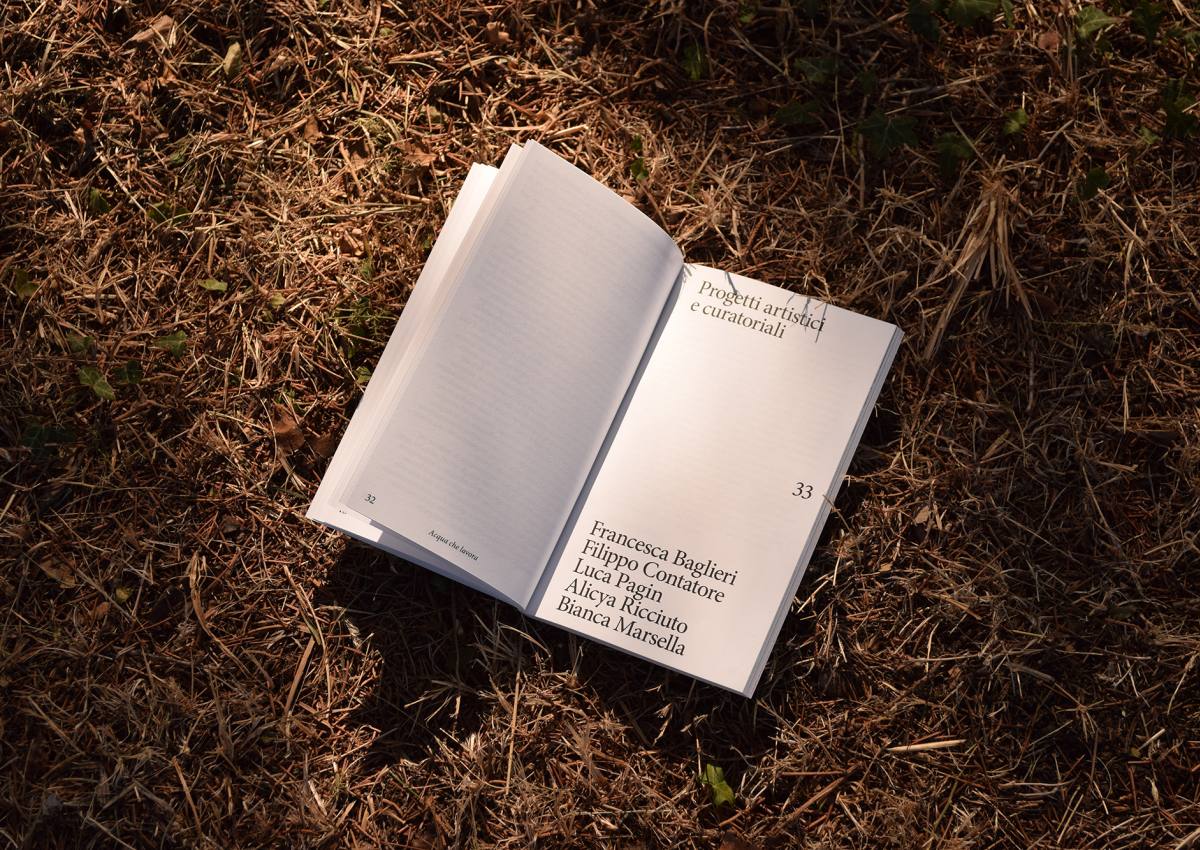
Aa. Vv.
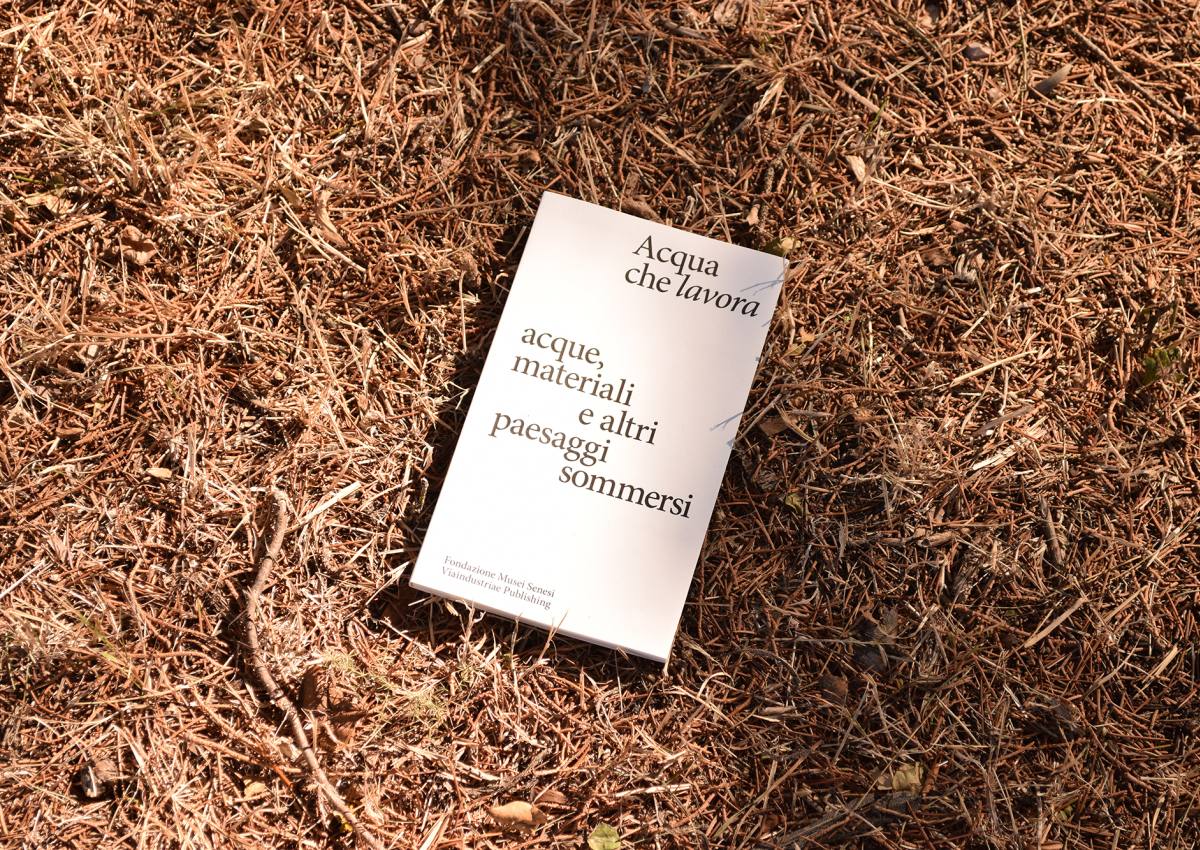
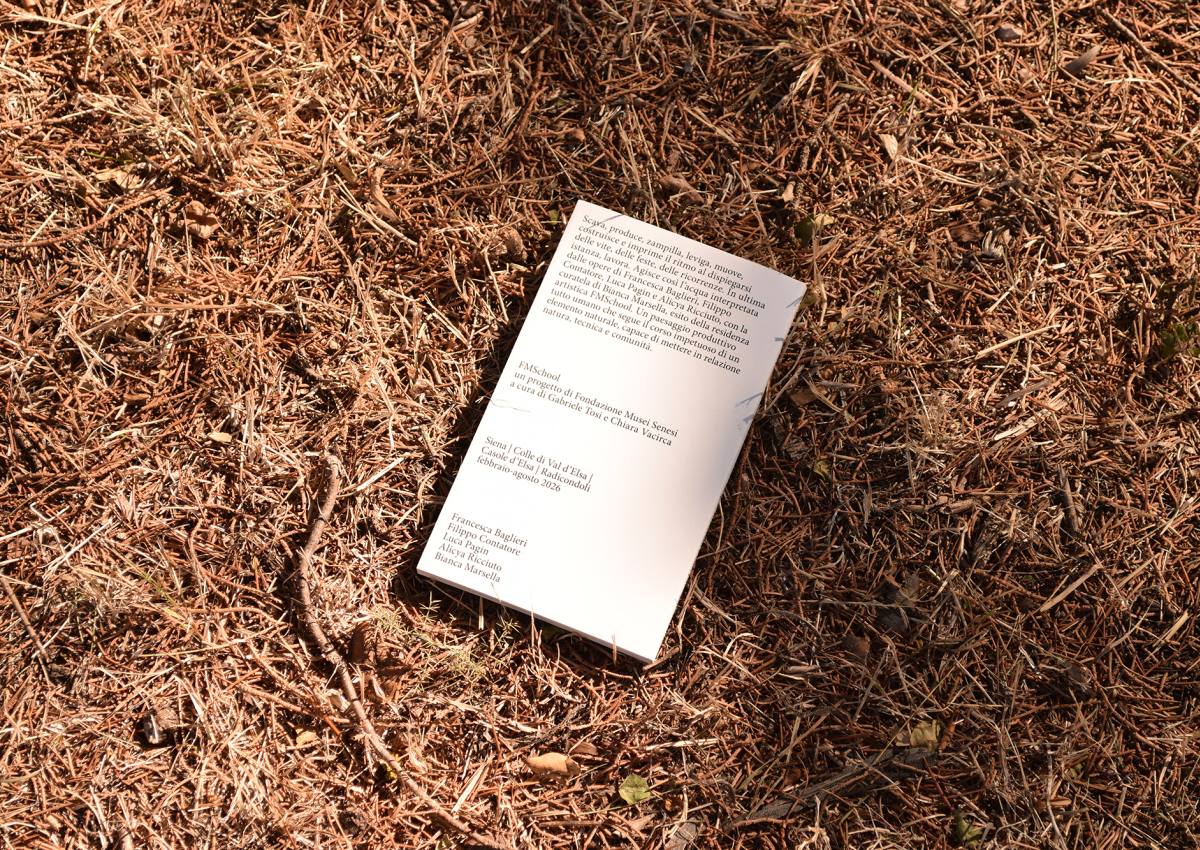
Acqua che lavora
Out of stock
Edited by Gabriele Tosi, Chiara Vacirca
Texts by Lucrezia Barbetti, Giacomo Bandini, Ieri Bruni, Mauro Della Lena, Michelina Simona Eremita, Marta Ghigi, NUB Project (Francesca Lenzi, Federico Fiori), Bianca Marsella, Alessia Prati, Martina Rota, Sonja Szurop, Gabriele Tosi, Chiara Vacirca
Editorial coordination Mattia Barana
Project by Fondazione Musei Senesi
Funded by Programma Regionale Toscana FSE+ 2021–2027 with the support of European Union and Regione Toscana.
120 pp.
11,5 x 19,5 cm
stampa a due colori (nero e verde)
ita
2026
Category: Catalogues Territorial research
It digs, produces, gushes, smooths, moves, builds and sets the rhythm for the unfolding of lives, festivities and celebrations. Ultimately, it works. This is how water takes shape in the works of Francesca Baglieri, Filippo Contatore, Luca Pagin and Alicya Ricciuto, curated by Bianca Marsella and developed through the FMSchool artistic residency. A productive landscape shaped entirely by human activity, following the forceful course of a natural element that brings nature, technology and community into relation. This publication is not for sale. It was distributed free of charge on the occasion of the exhibition opening and is available as a complimentary copy with the purchase of another Viaindustriae book.
A4C-Artsforthecommons (Rosa Jijón &…
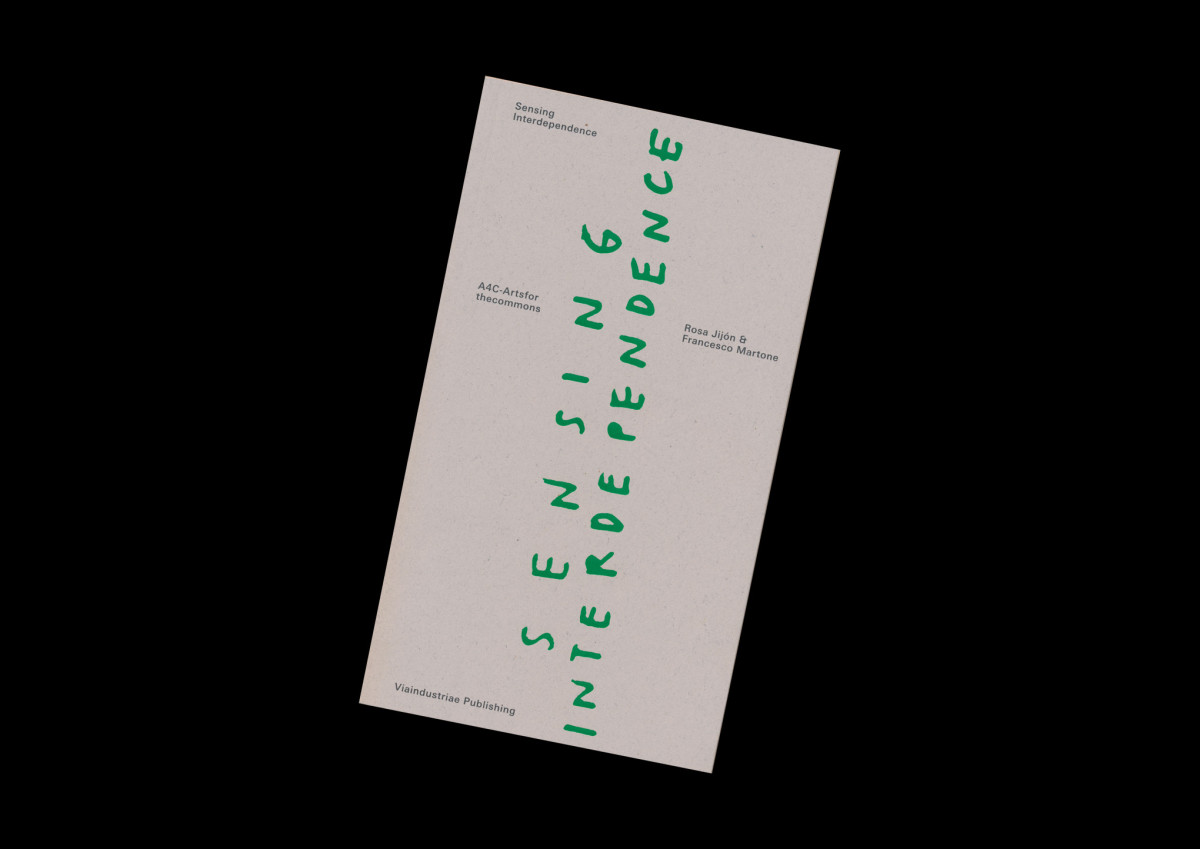
Sensing Interdependence
€ 25
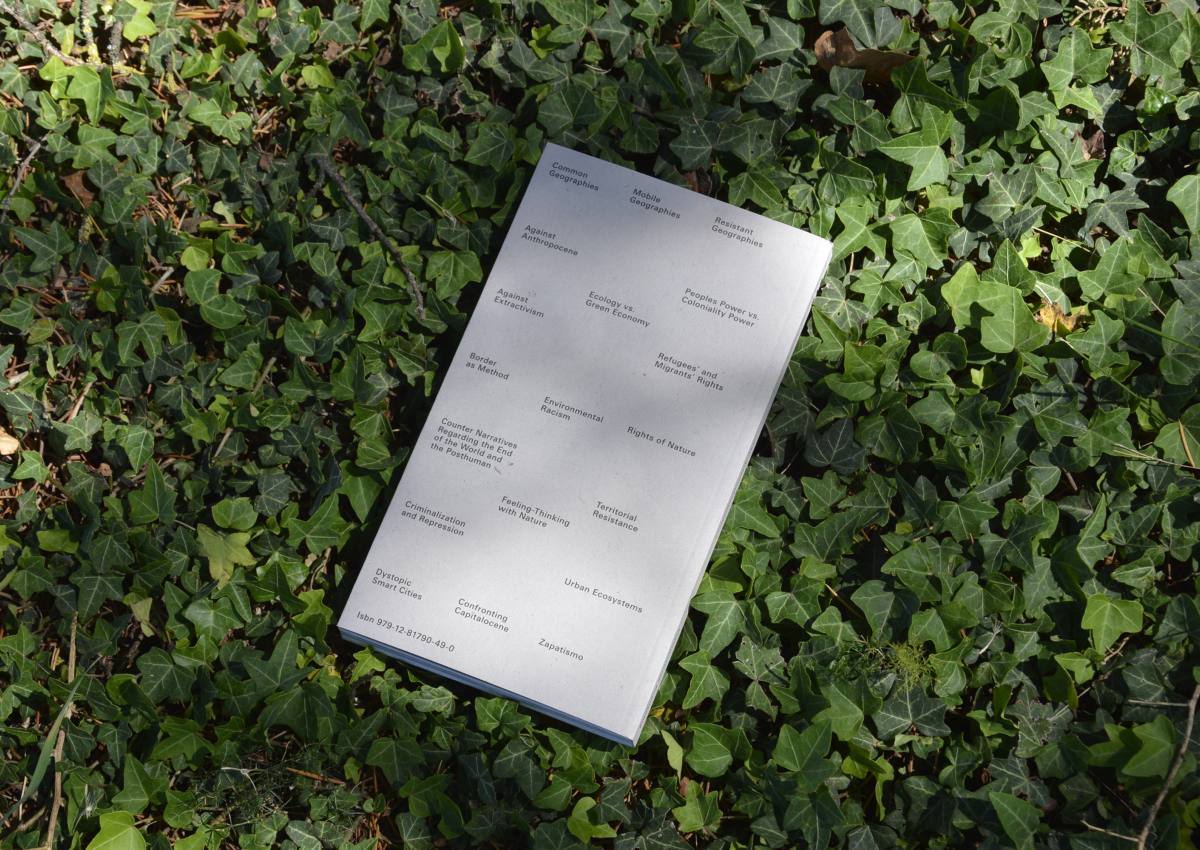
A4C-Artsforthecommons (Rosa Jijón & Francesco Martone)
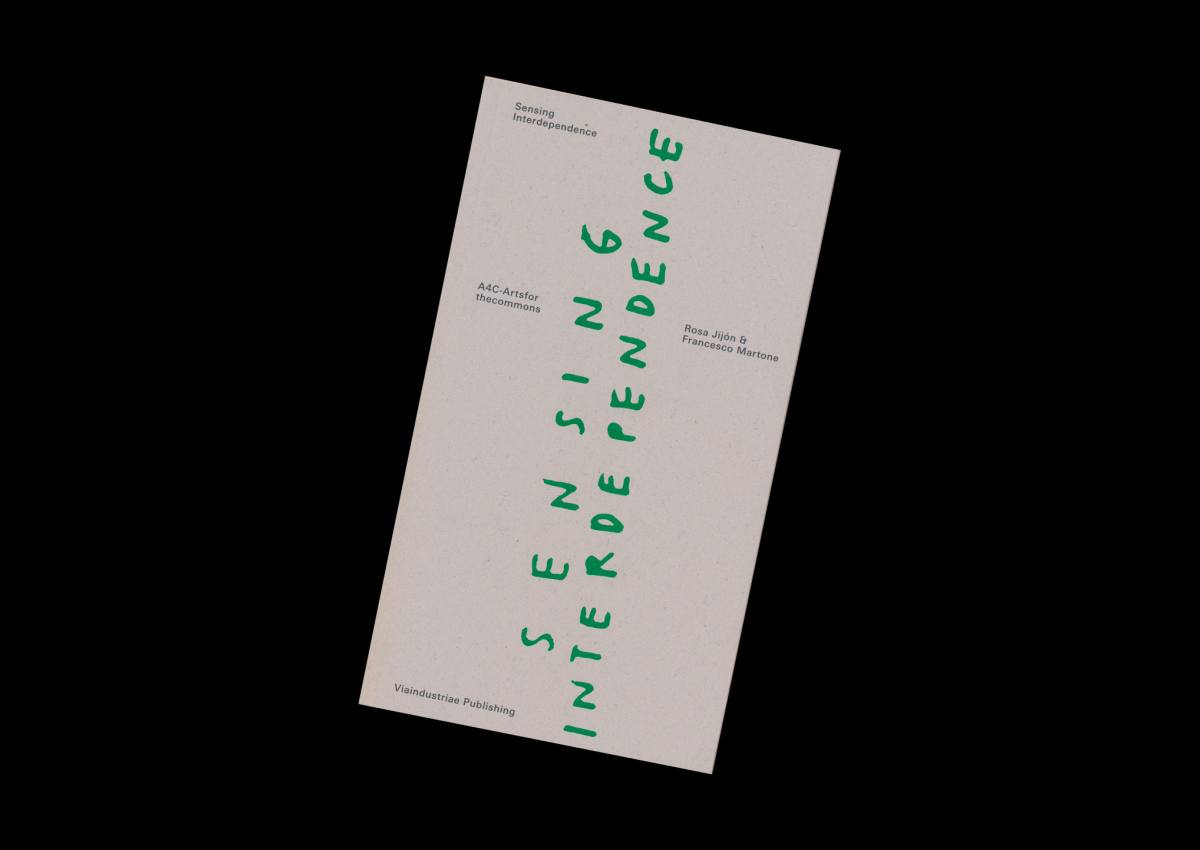
Sensing Interdependence
€ 25
Edited by Aria Spinelli
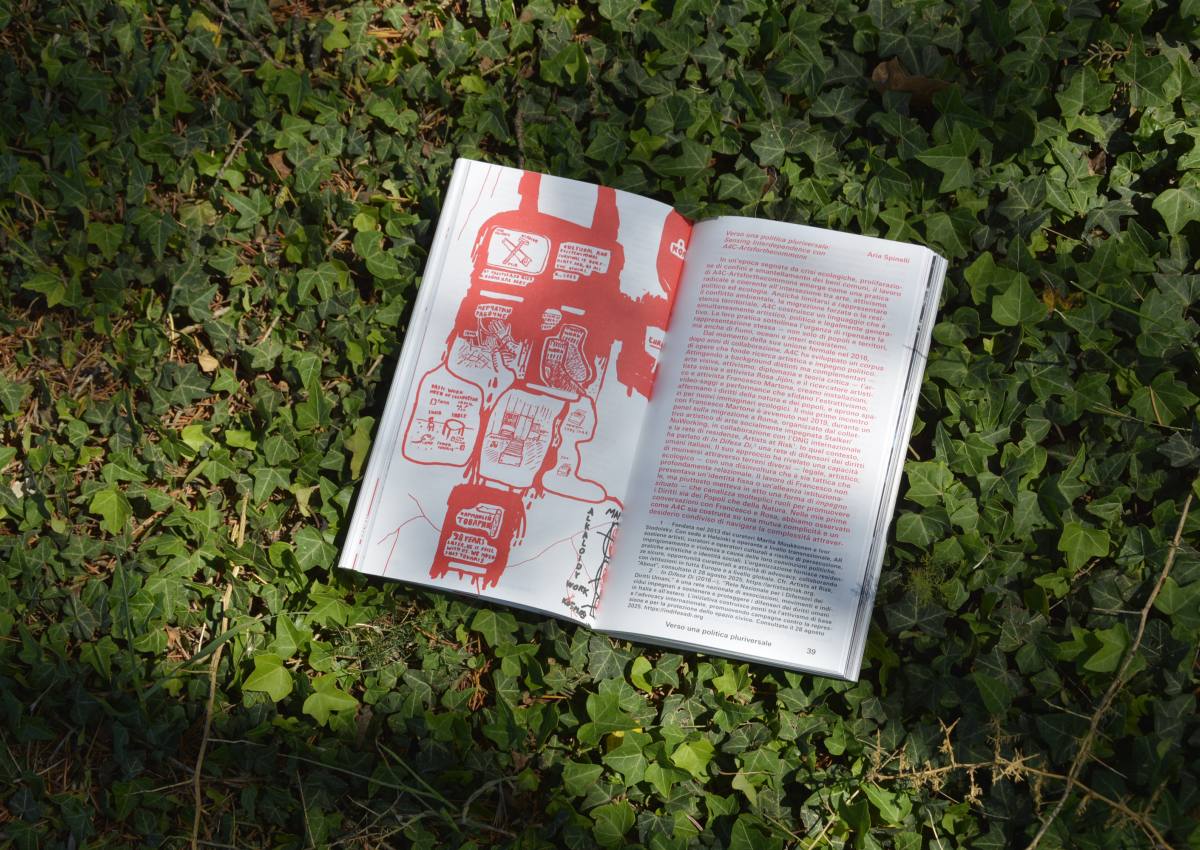
Texts by Angelo Castucci, Ashley Dawson, Aria Spinelli, Eszter Szakàcs
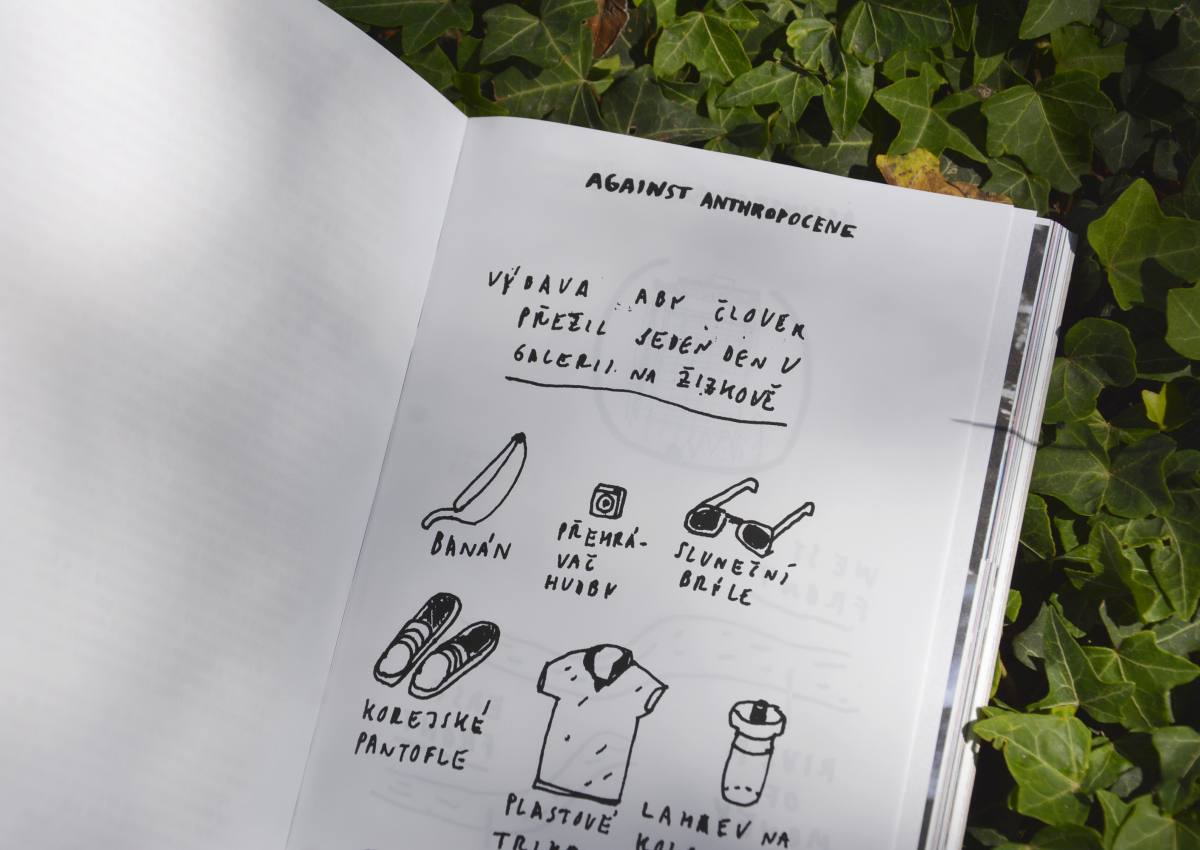
Drawing and diagrams by Kolxoz Collettive
A project by Joint Cultural Initiatives, hosted and produced by de Appel (Amsterdam) and supported by the Directorate-General for Contemporary Creativity of the Italian Ministry of Culture under the Italian Council program (13th edition, 2024).
168 pp.
13 x 23 cm
stampa colori/bn
eng/ita
2026
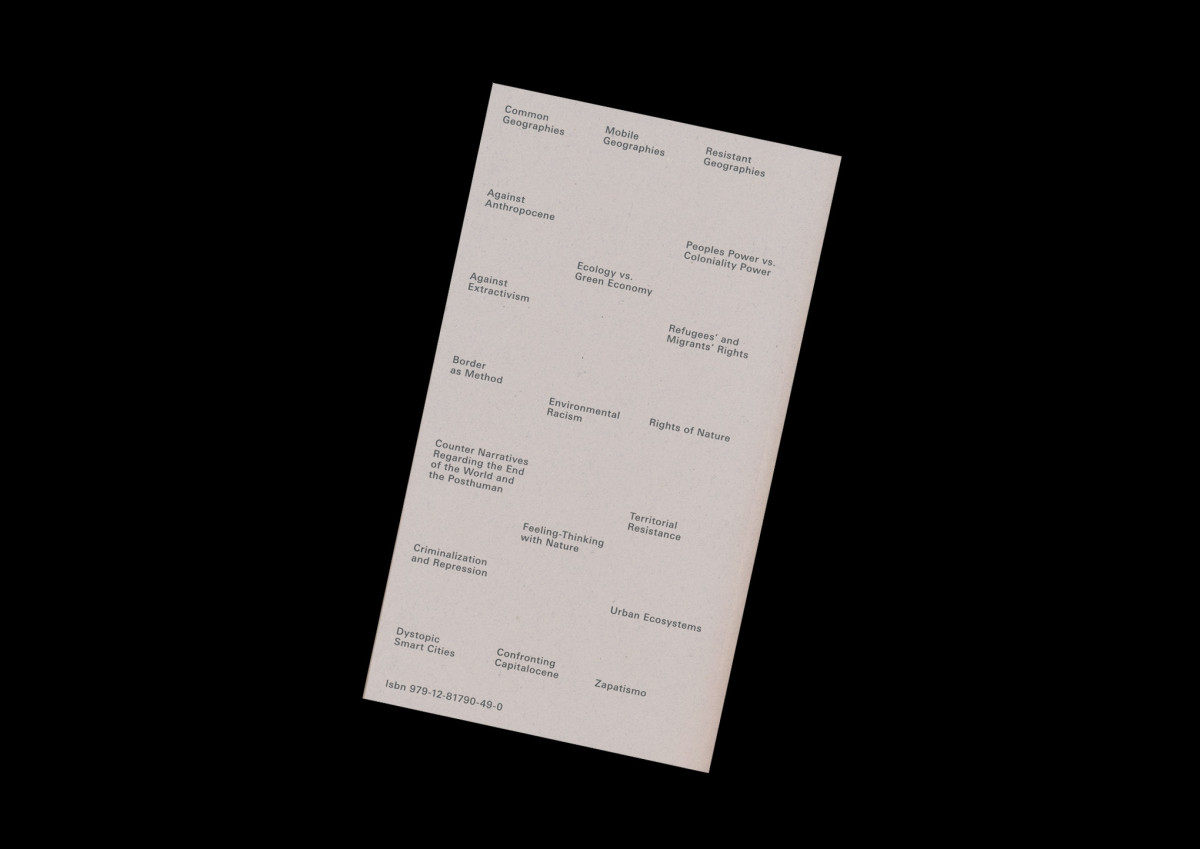
ISBN 979-12-81790-49-0
Category: Catalogues Territorial research Theory
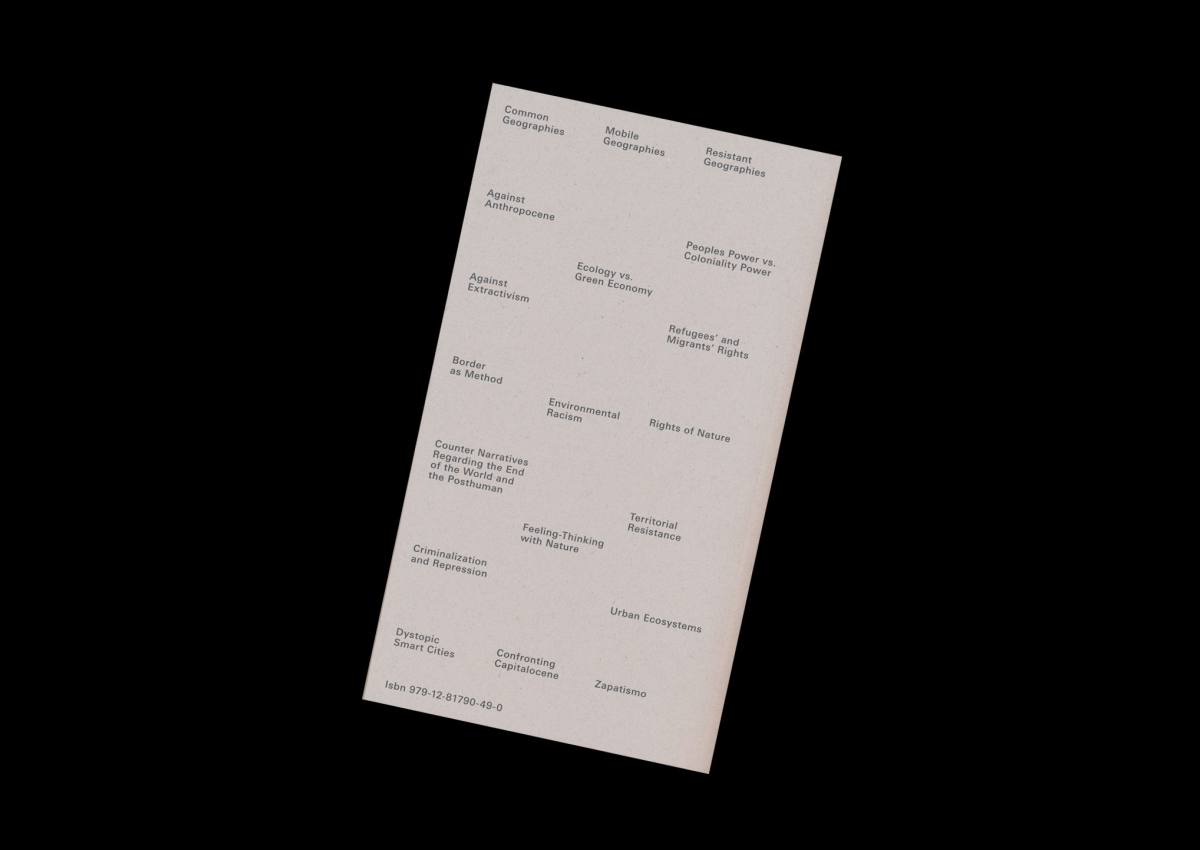
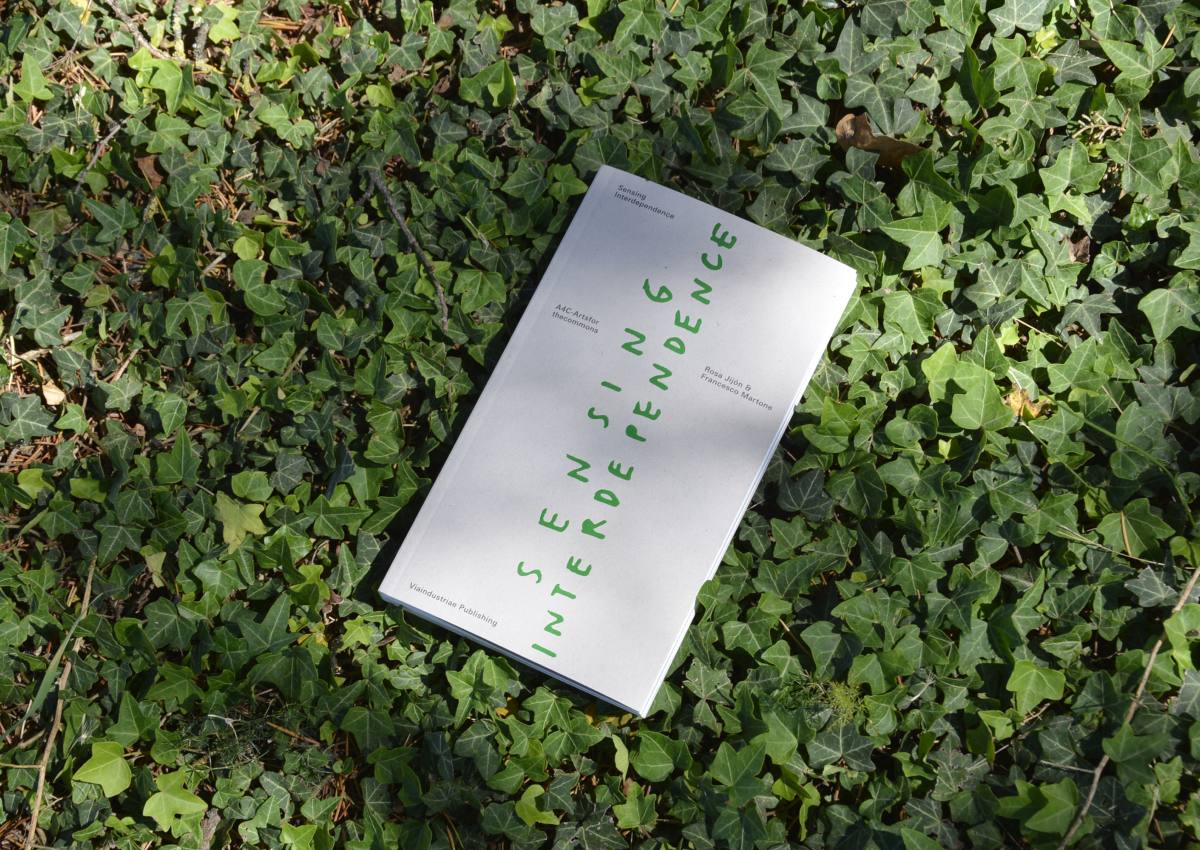
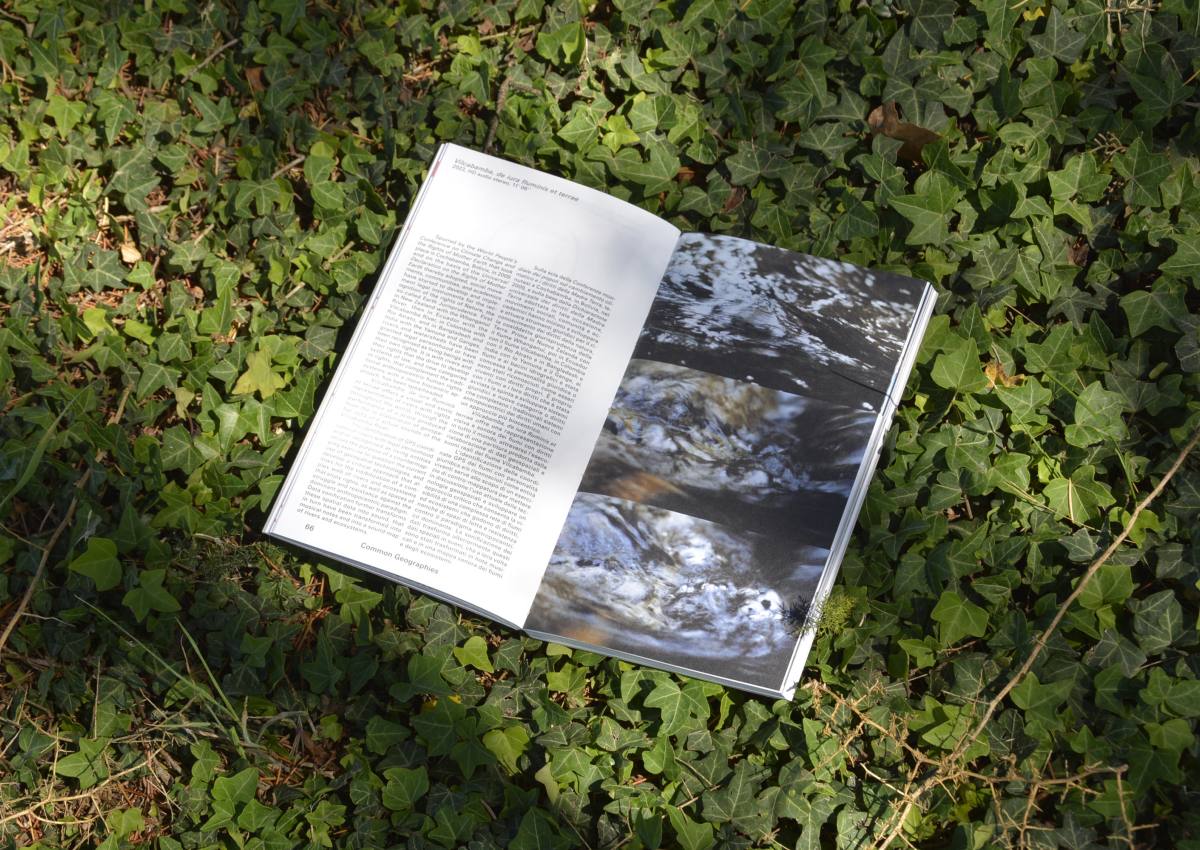
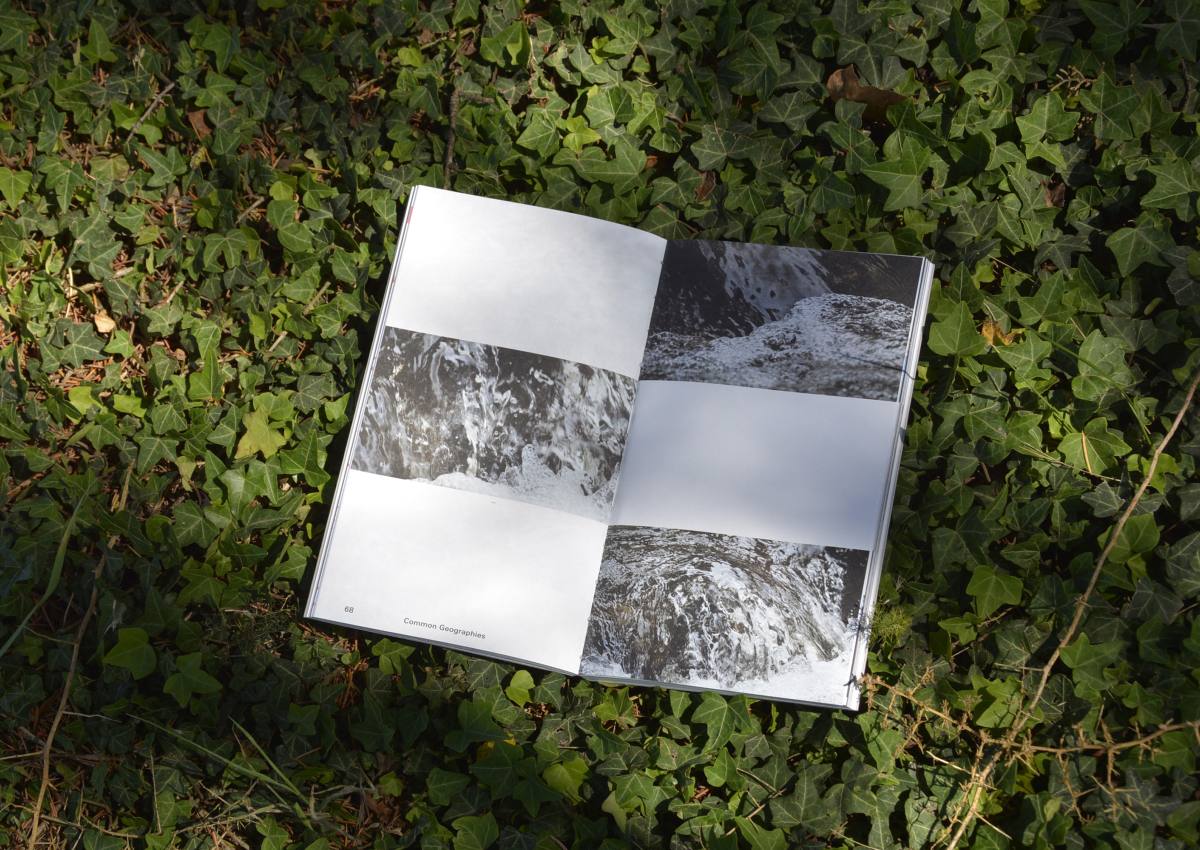
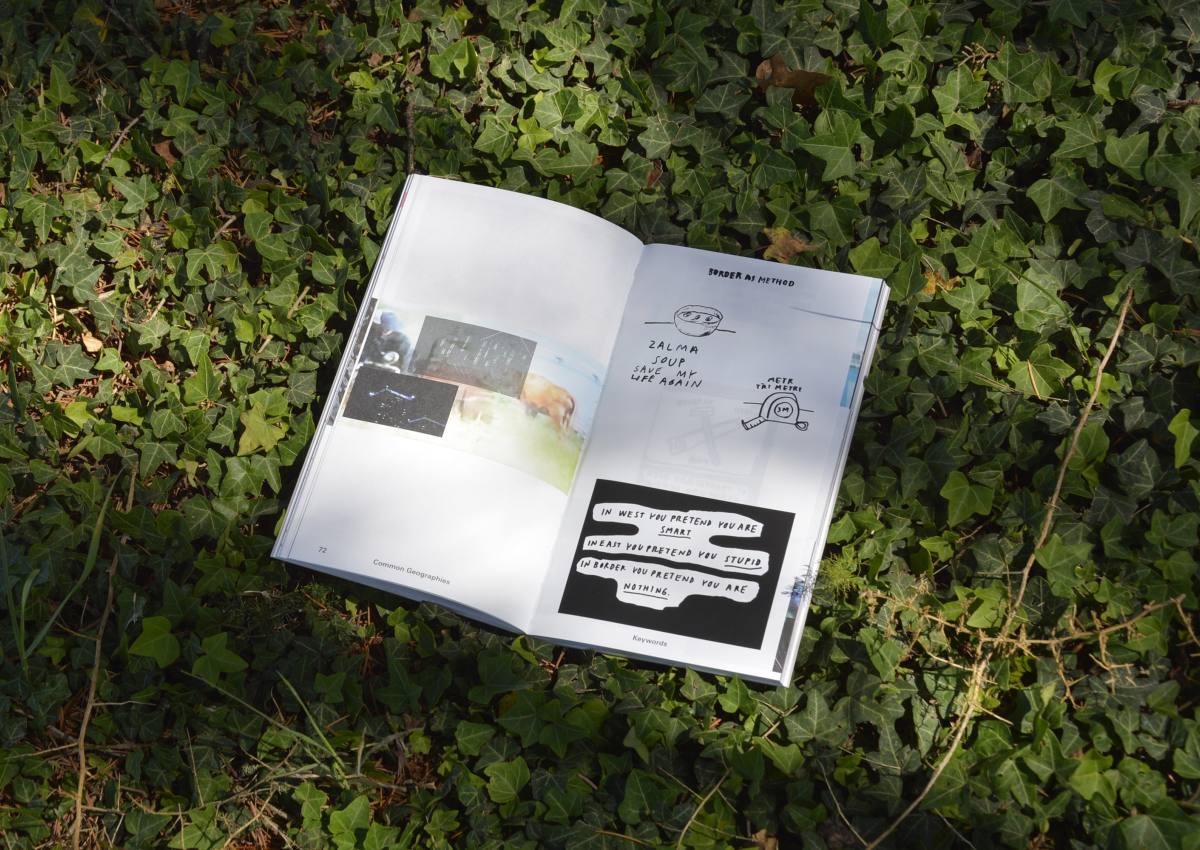
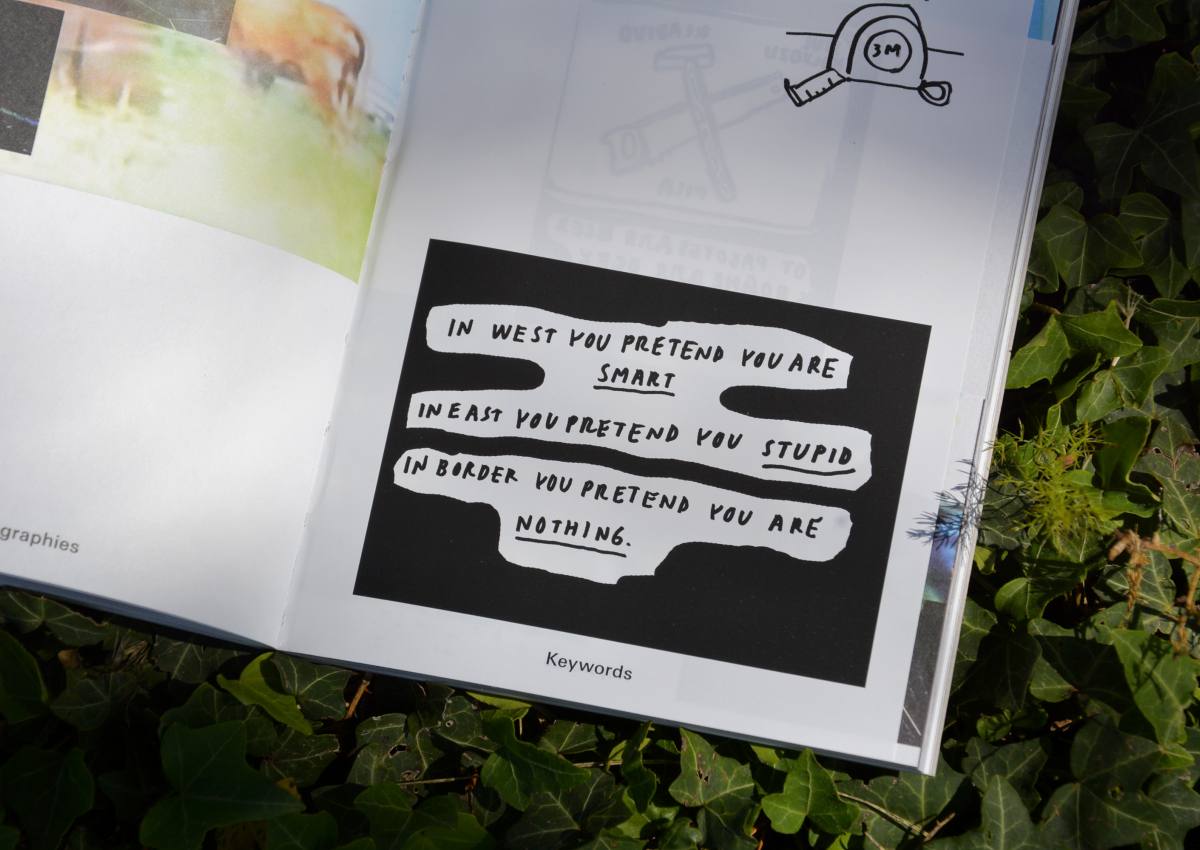
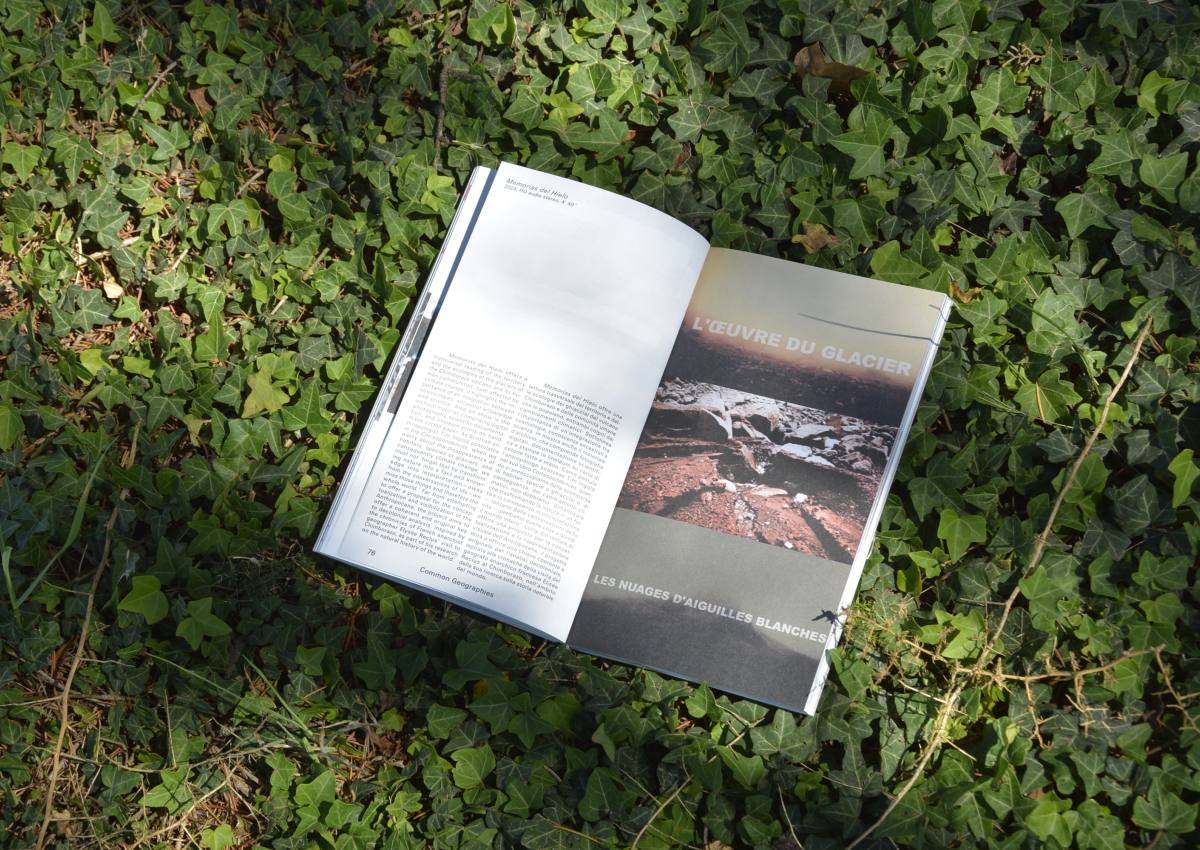
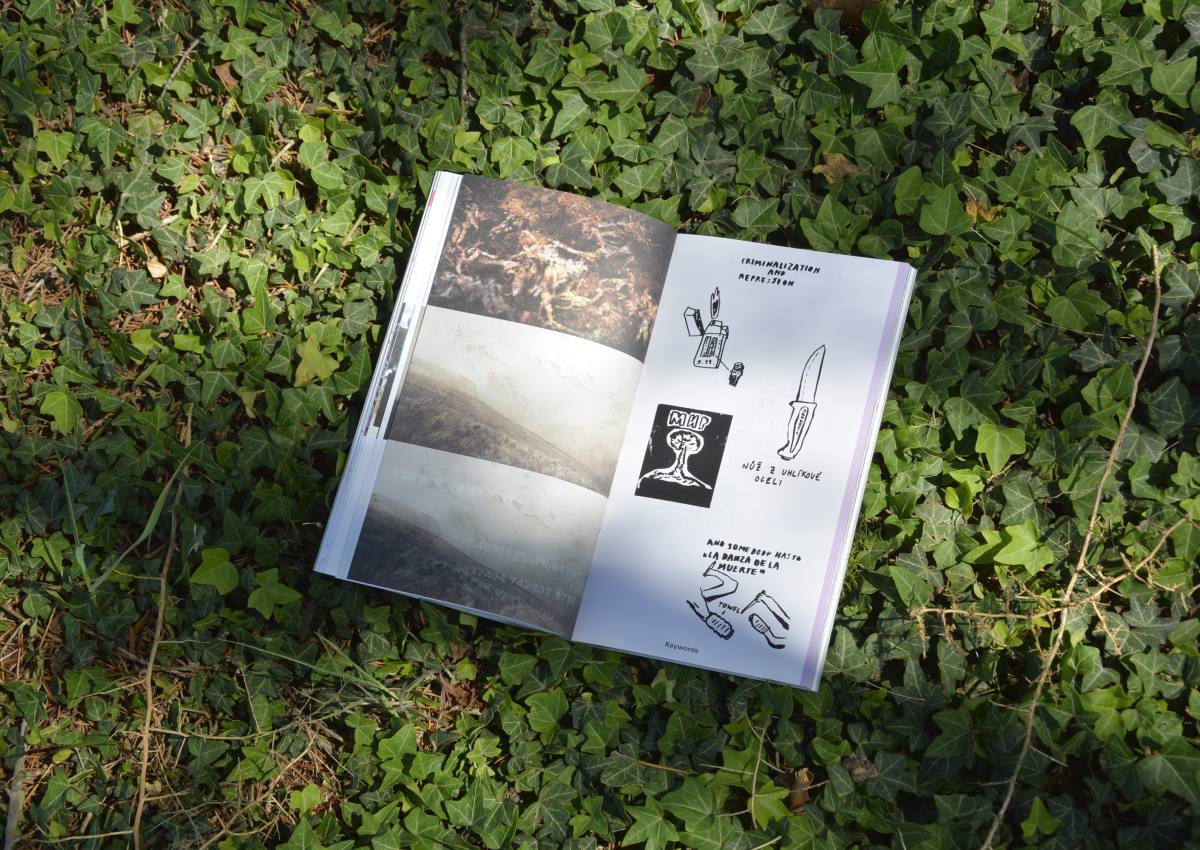
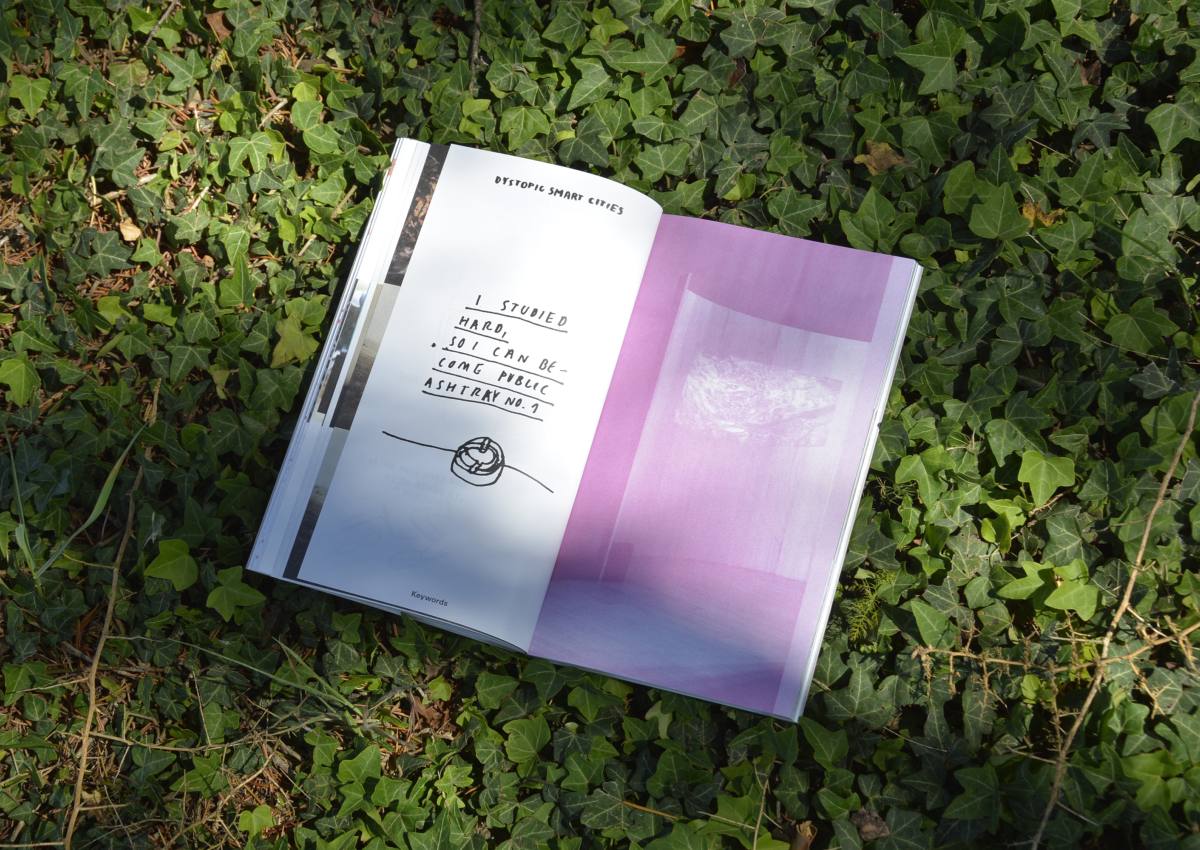
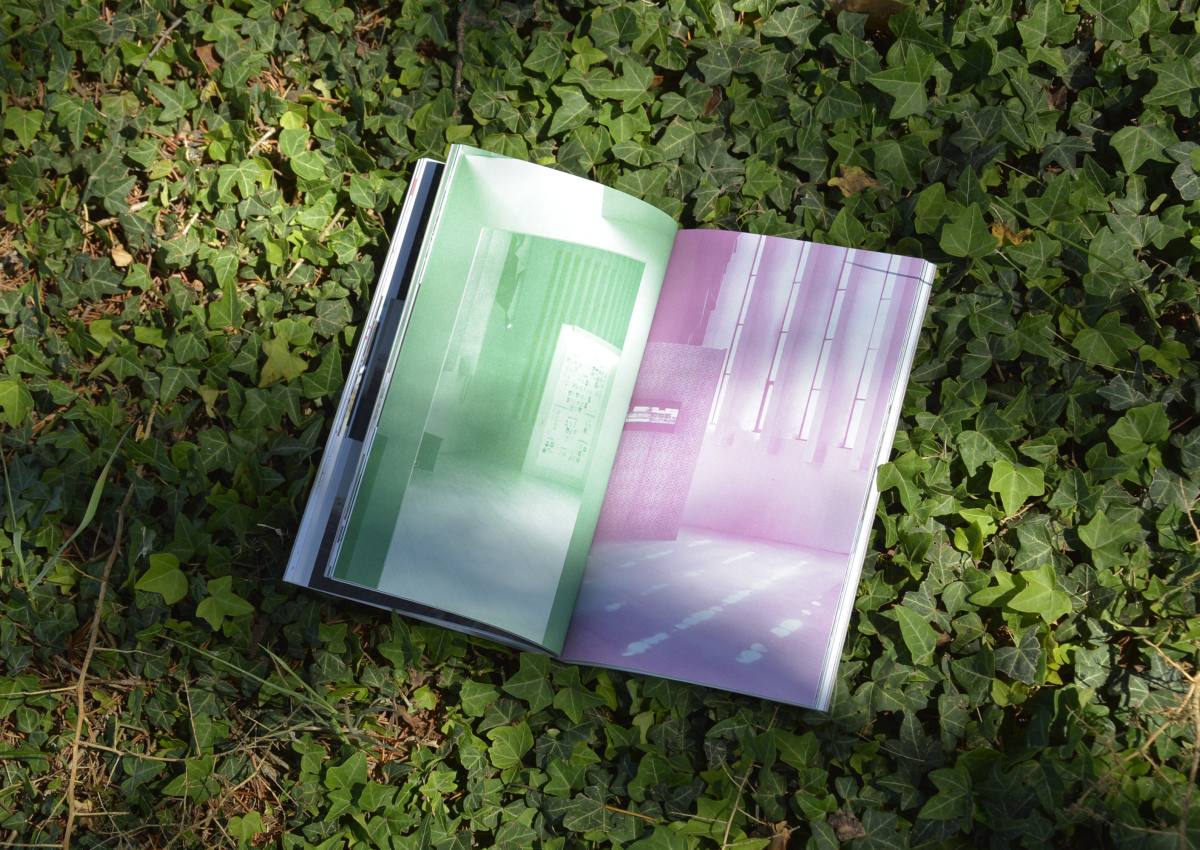
Sensing Interdependence is a book and an exhibition (de Appel, Amsterdam, 27.06–10.08.2025) on the work of the Italian art collective A4C-artsforthecommons, founded in 2016 by Ecuadorian artist Rosa Jijón and Italian activist and researcher Francesco Martone.
A4C-artsforthecommons serves as a platform for artists and activists engaged in exploring the intersections between visual production and the struggle to reclaim the commons.
A4C addresses urgent issues related to human mobility, borders, social and environmental justice, and the Rights of Nature. By fostering exchange, mutual action, and collective creation, A4C operates as a space for collaboration that seeks to enable a new commons—one that synthesizes contemporary art and political engagement.
A4C explores the interstitial spaces between power and communities, the traditional art system and society, and between states and territories. Its practice embraces documentation and archival critique as integral forms of artistic inquiry.
Aa. Vv.
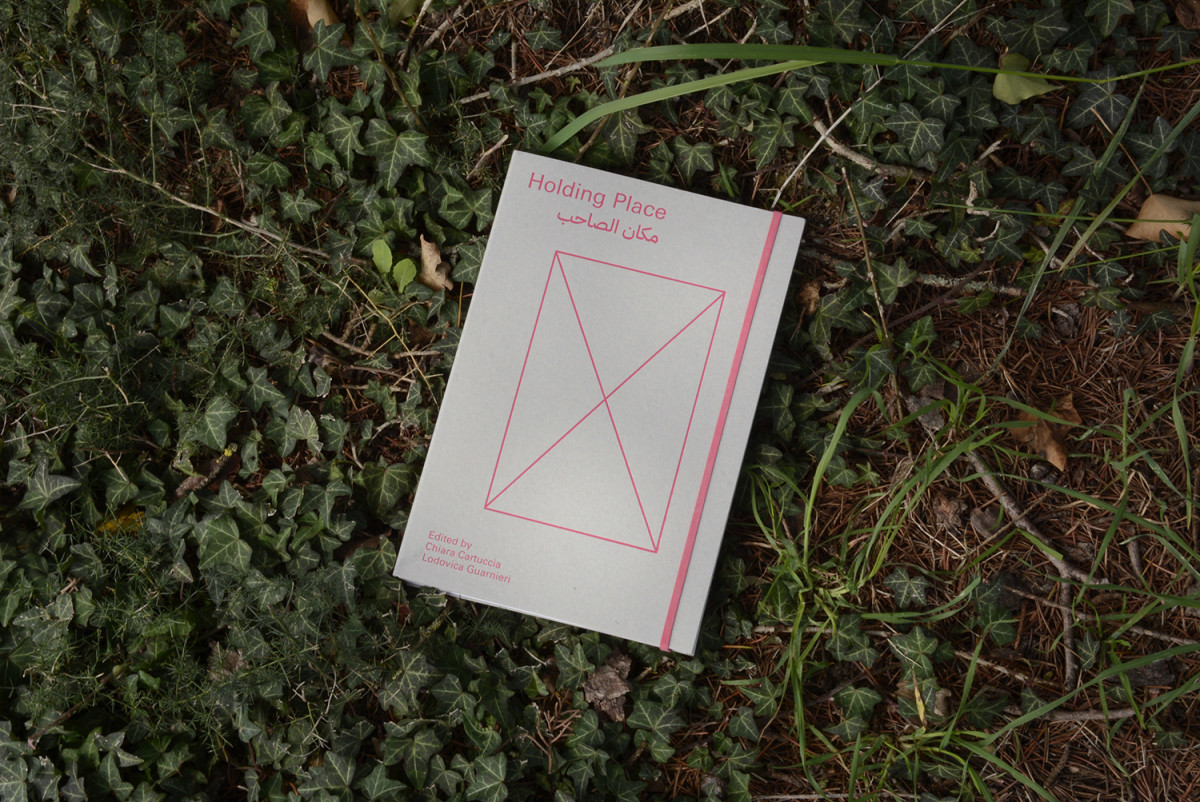
Holding Place. مكان الصاحب
€ 16
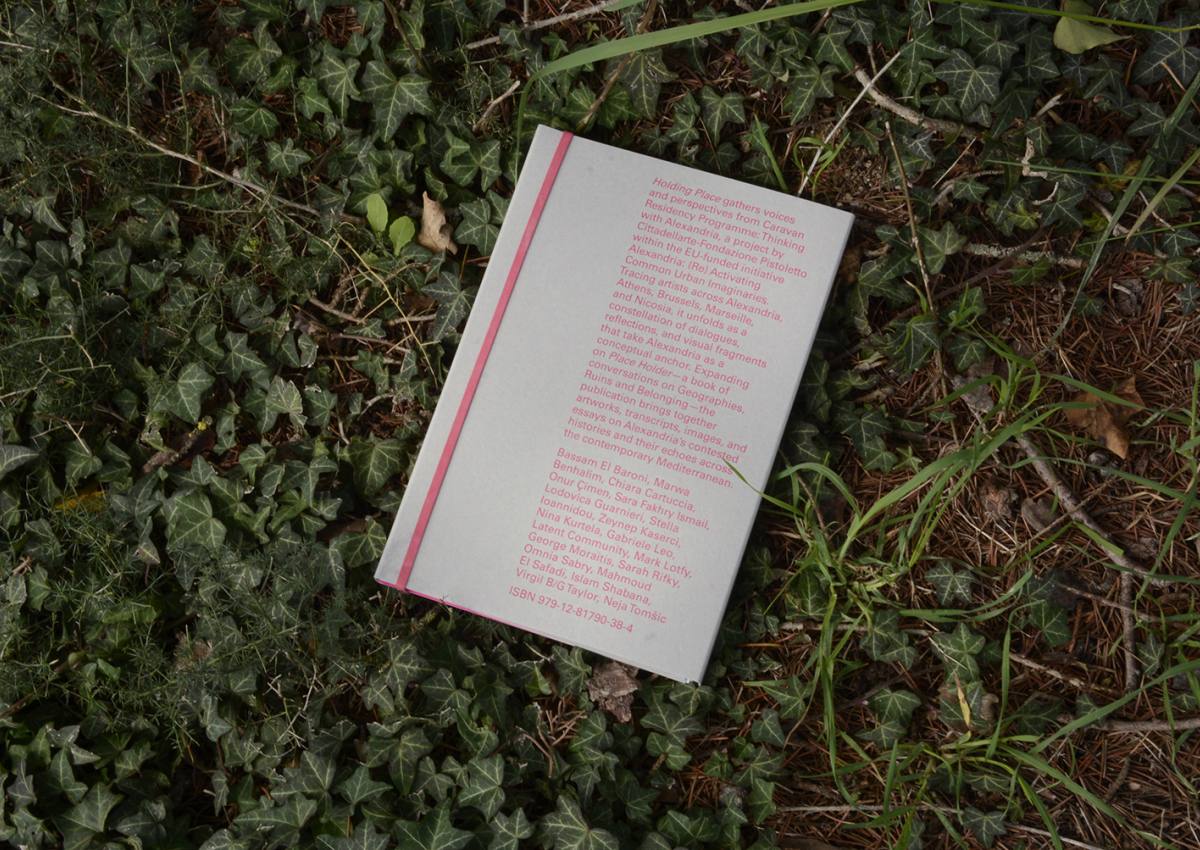
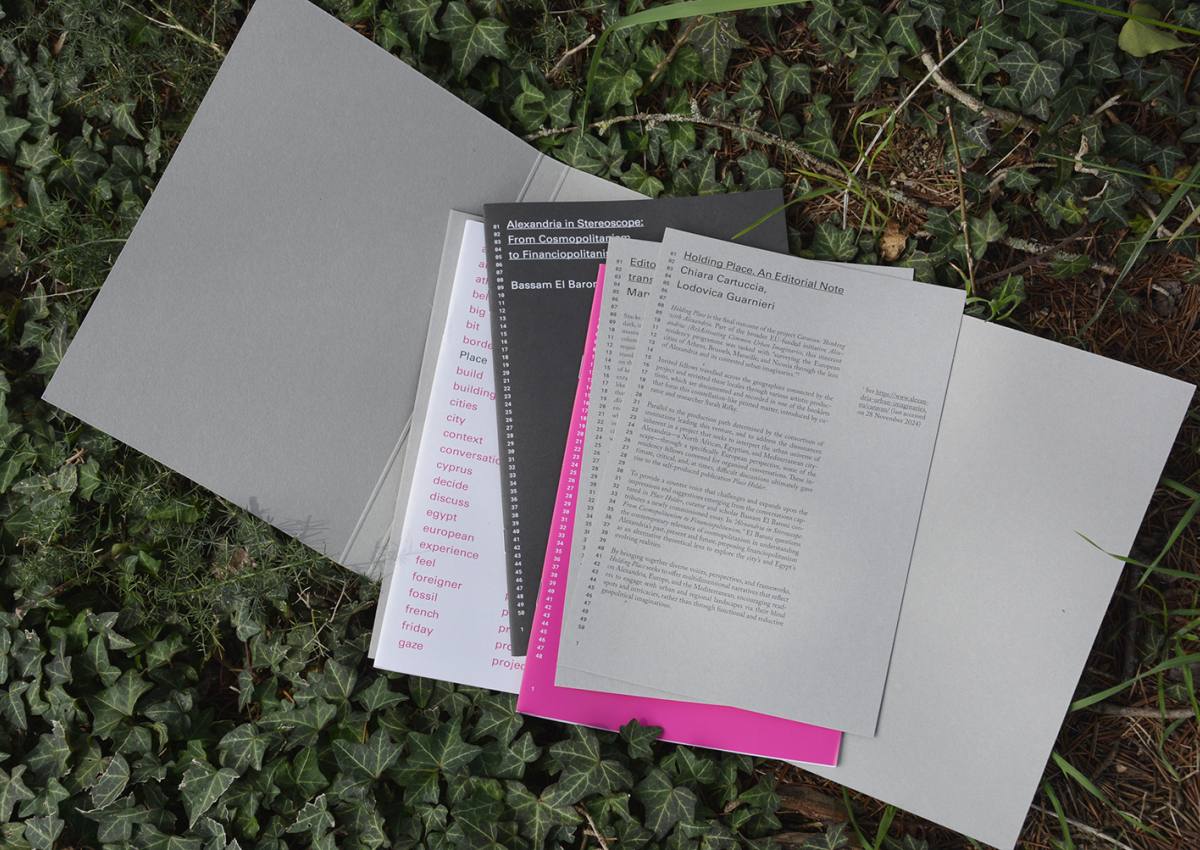
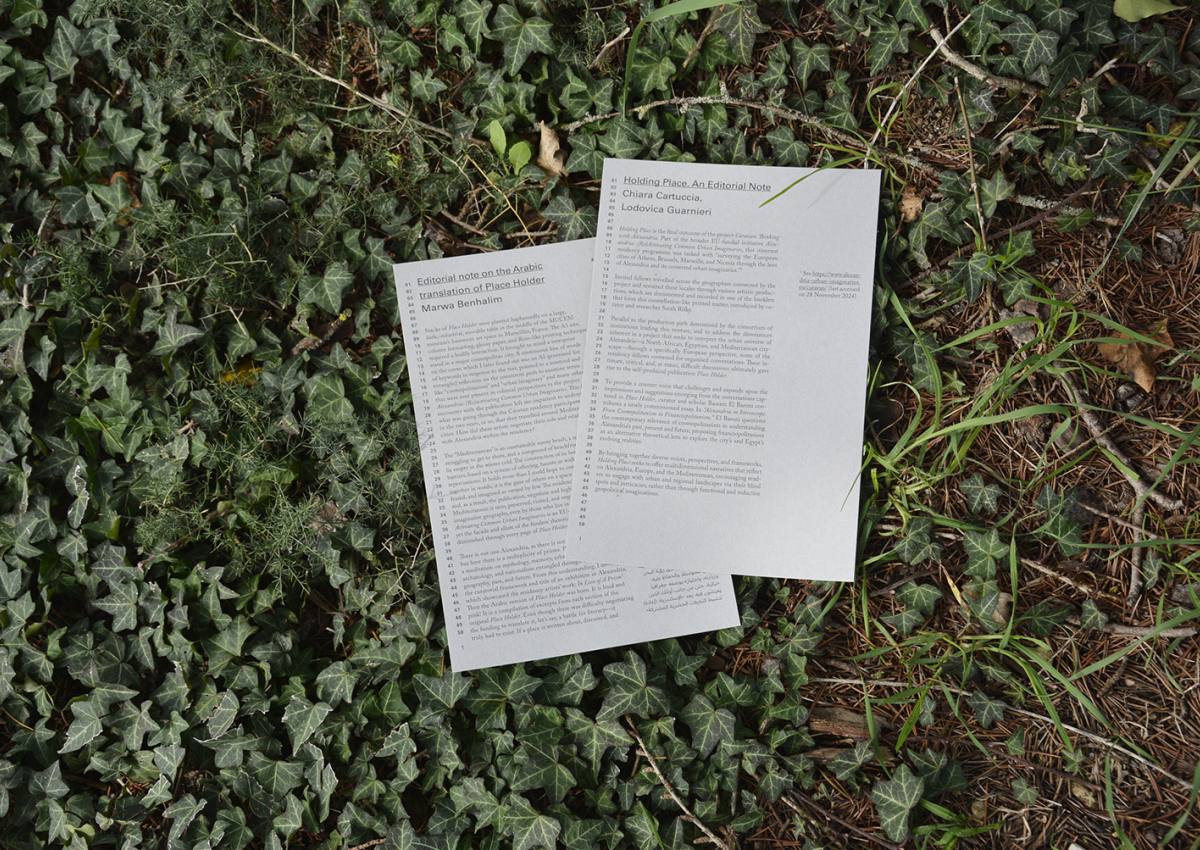
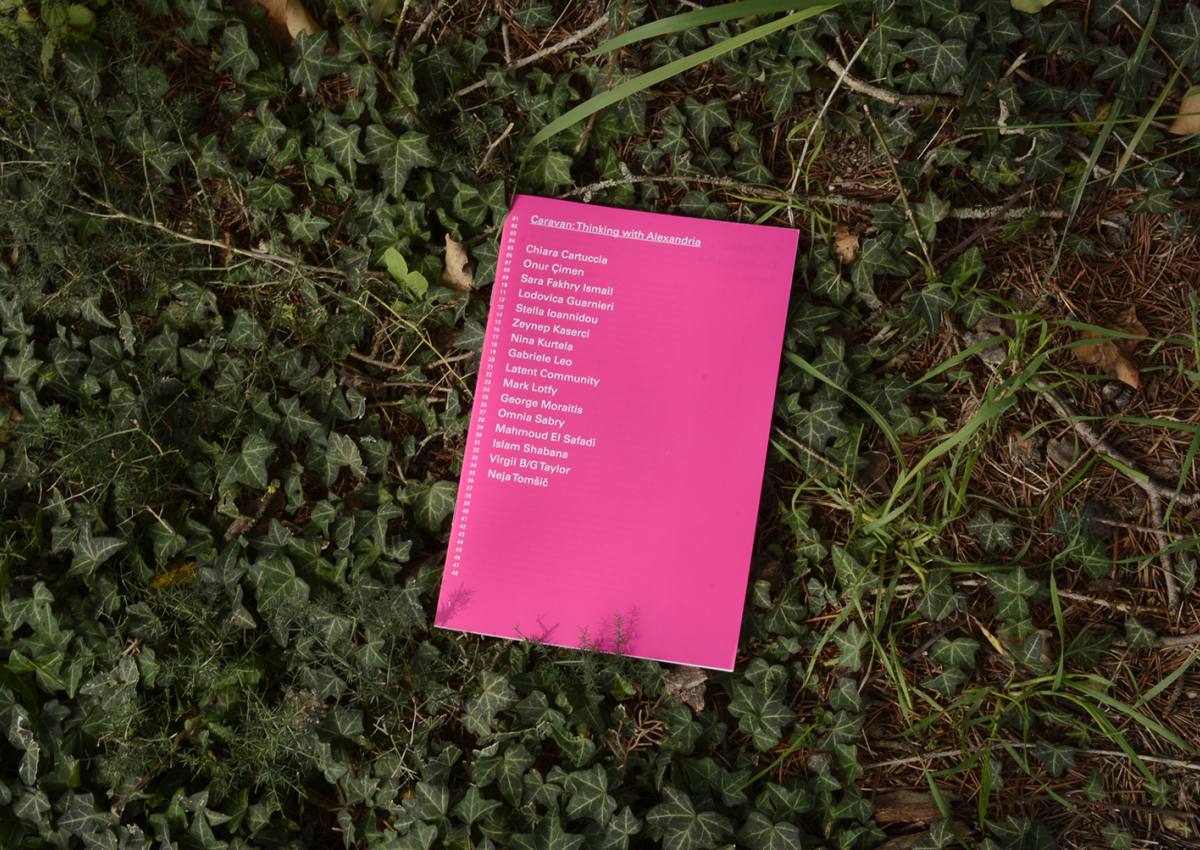
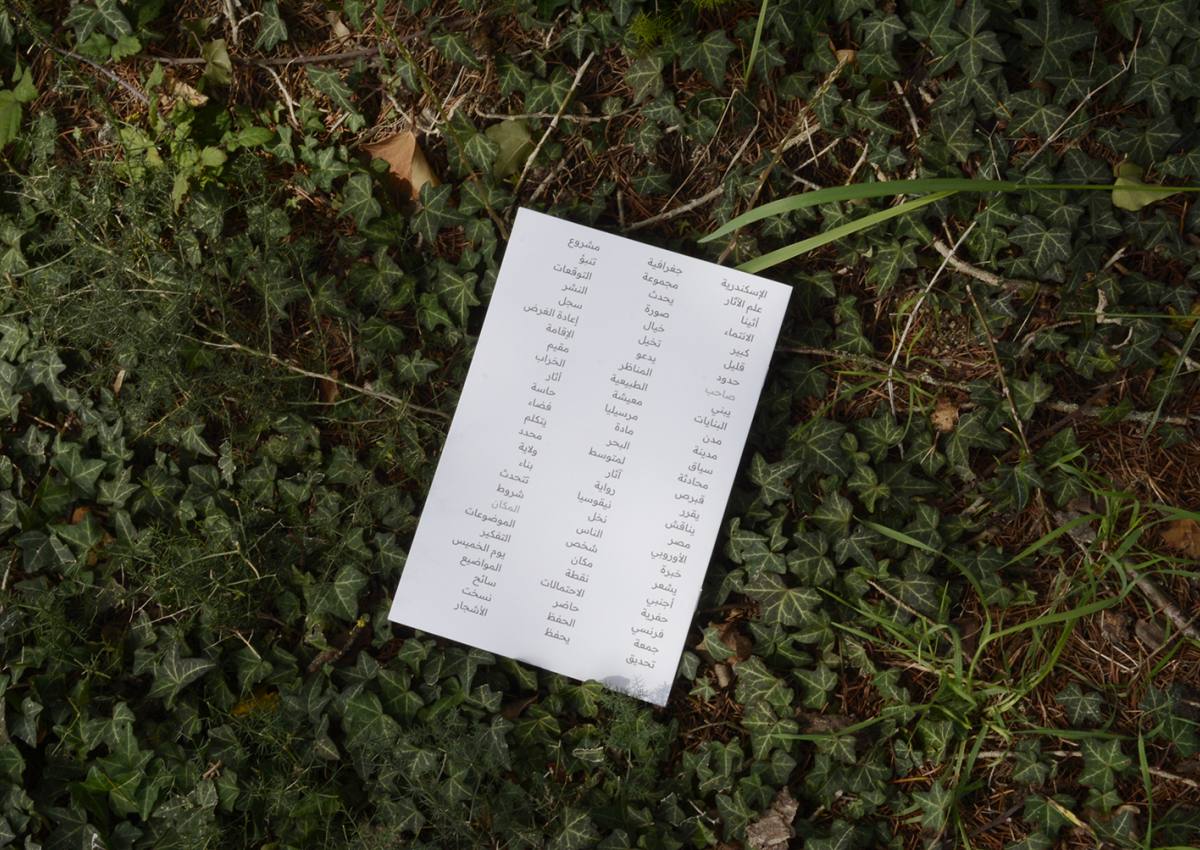
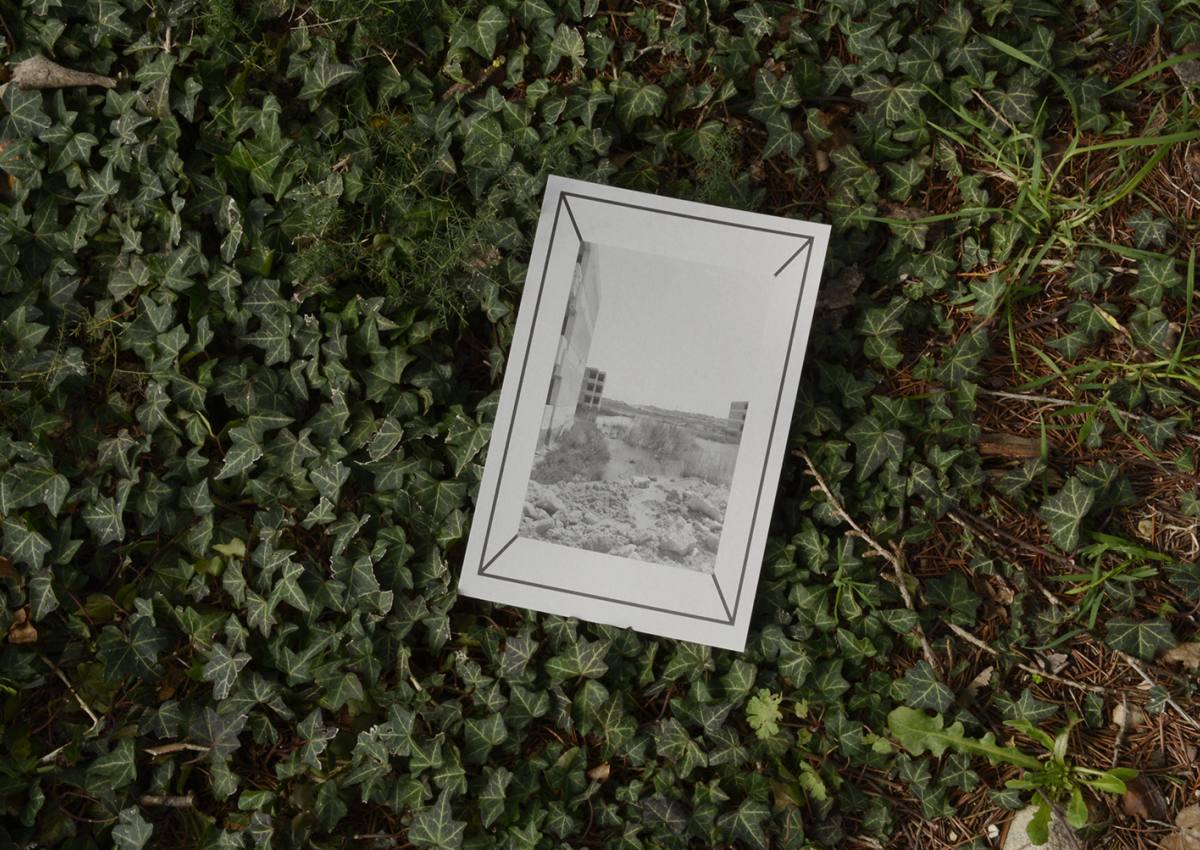
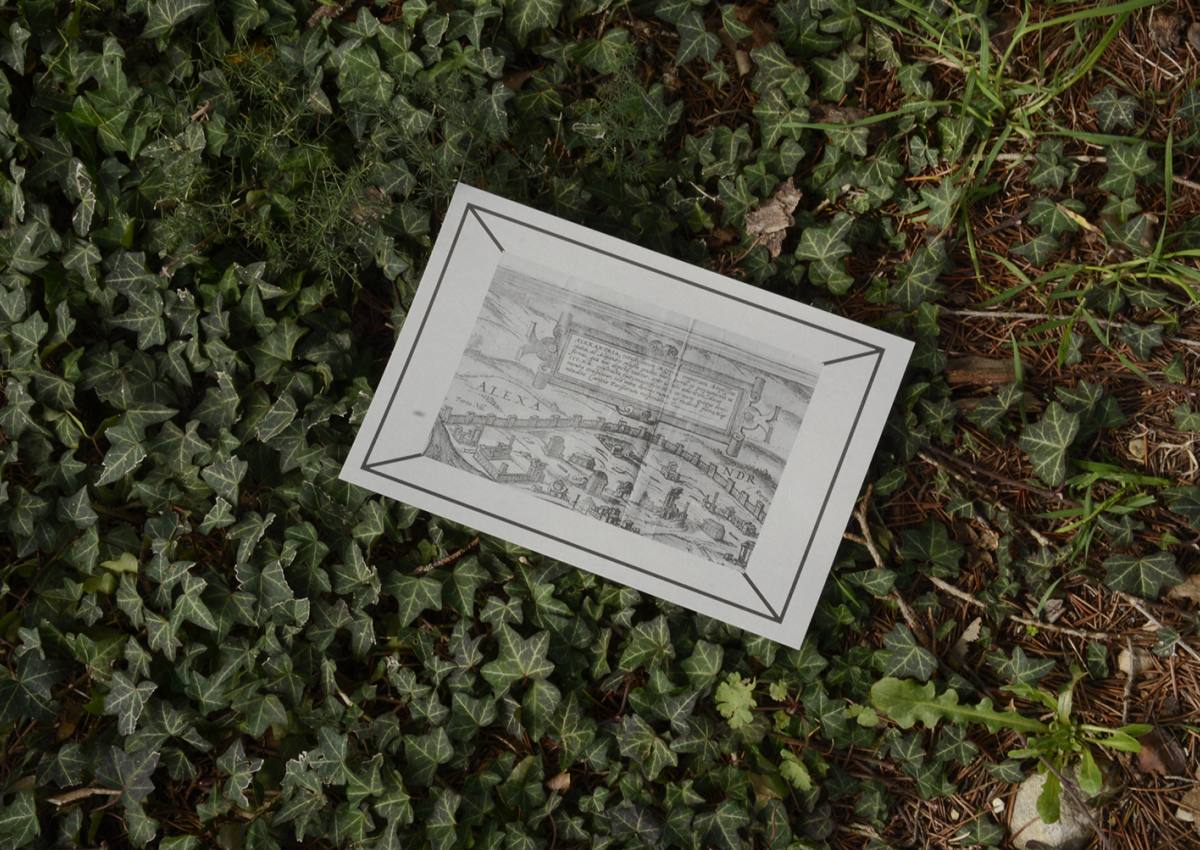
Aa. Vv.
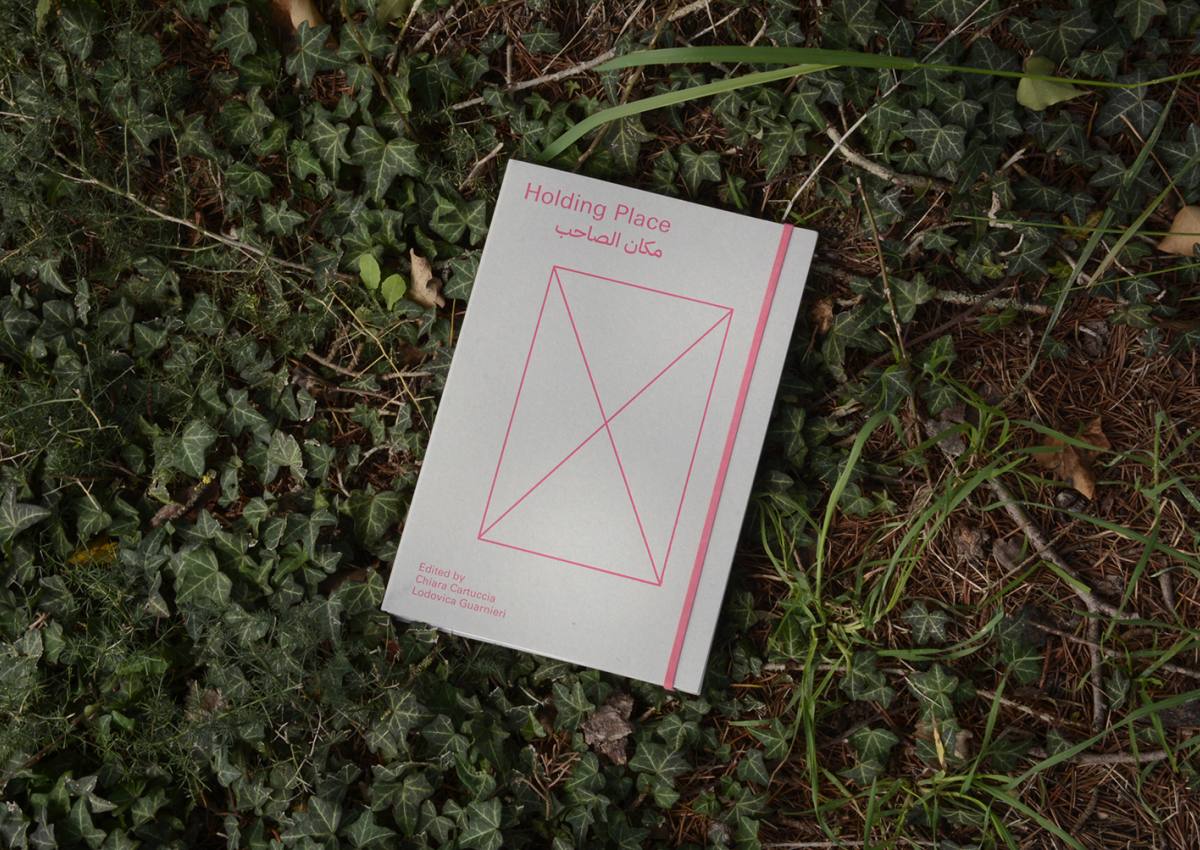
Holding Place. مكان الصاحب
€ 16
Edited by Chiara Cartuccia, Lodovica Guarnieri
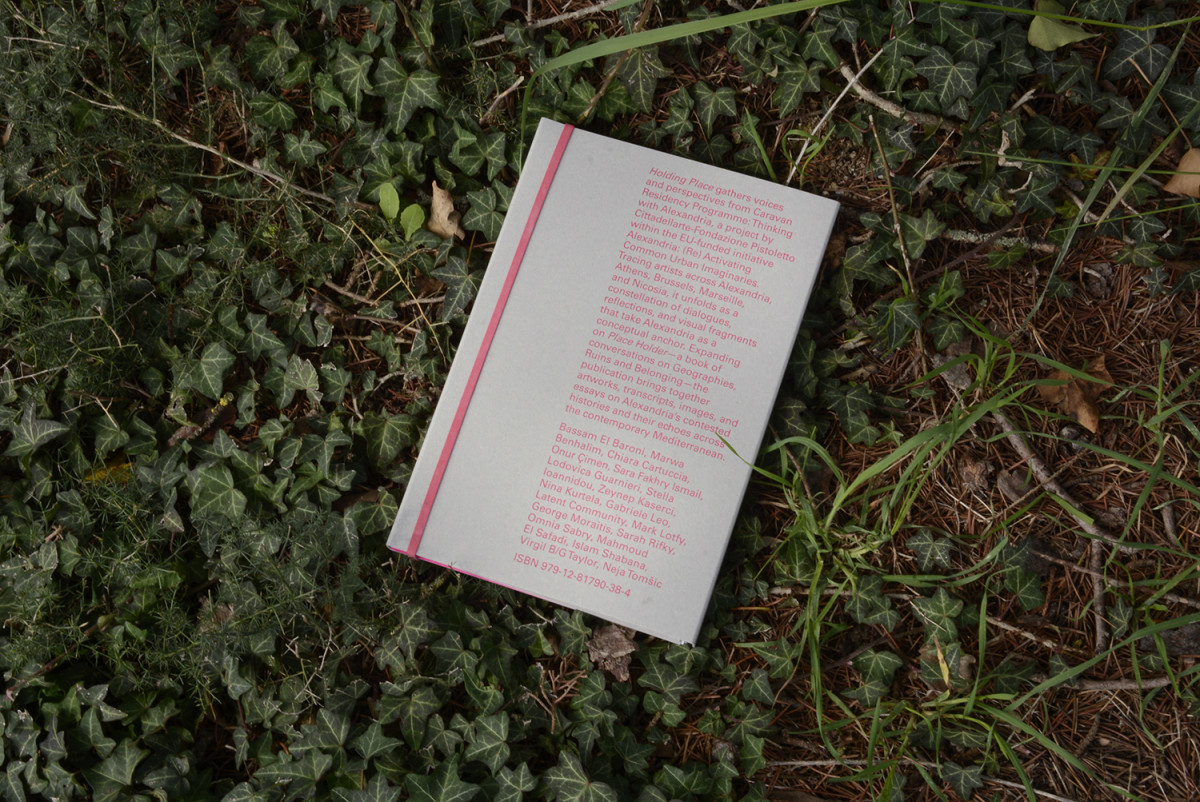
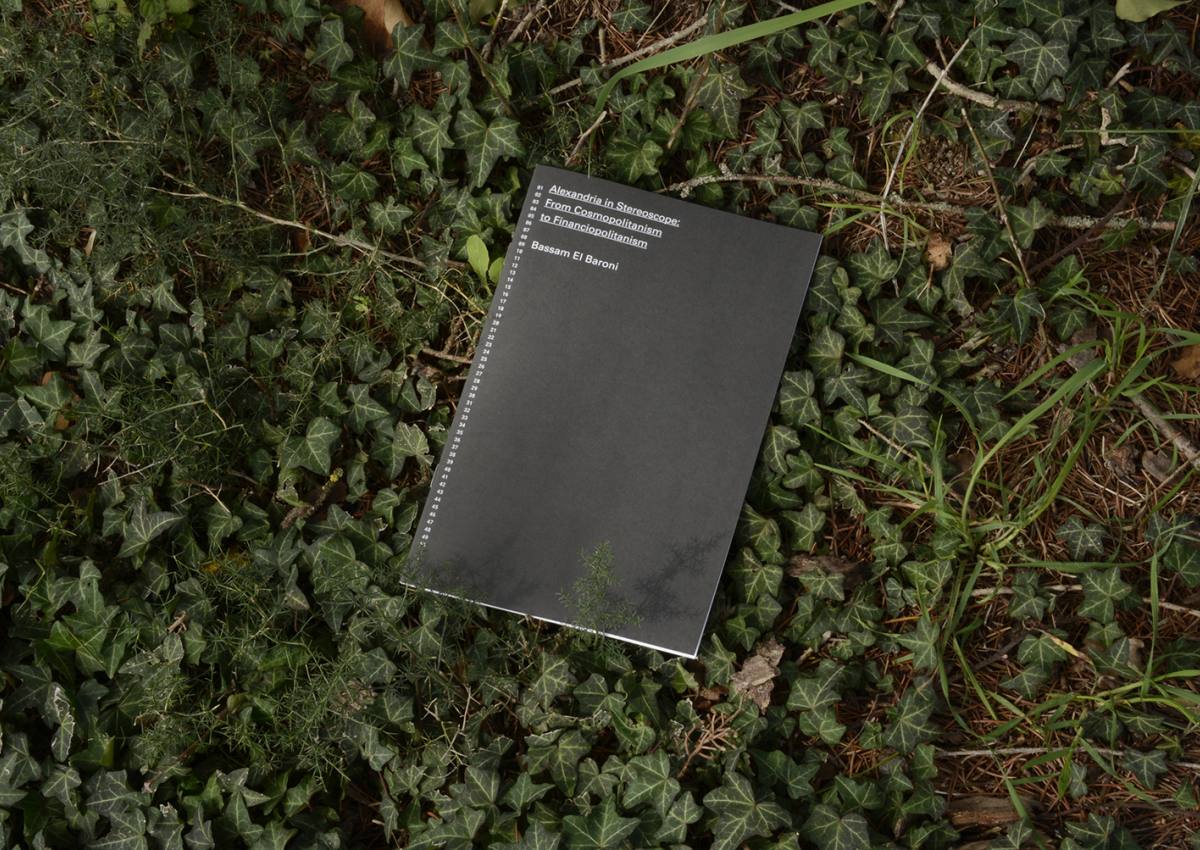
Contributions by Bassam El Baroni, Marwa Benhalim, Chiara Cartuccia, Onur Çimen, Sara Fakhry Ismail, Lodovica Guarnieri, Stella Ioannidou, Zeynep Kaserci, Nina Kurtela, Gabriele Leo, Latent Community, Mark Lotfy, George Moraitis, Sarah Rifky, Omnia Sabry, Mahmoud El Safadi, Islam Shabana, Virgil B/G Taylor, Neja Tomsic
Holding Place is the final outcome of the project Caravan Residency Program: Thinking with Alexandria, conceived and realized by UNIDEE Residency Programs at Cittadellarte–Fondazione Pistoletto, curated by Sarah Rifky in dialogue with Edwin Nasr.
Supported by the Creative Europe programme of the European Union.
140 pp.
Loose booklets on cardboard folder
17 x 24,5 cm
color and bw printing
eng/ar
2026
ISBN 979-12-81790-38-4
Category: Catalogues Territorial research
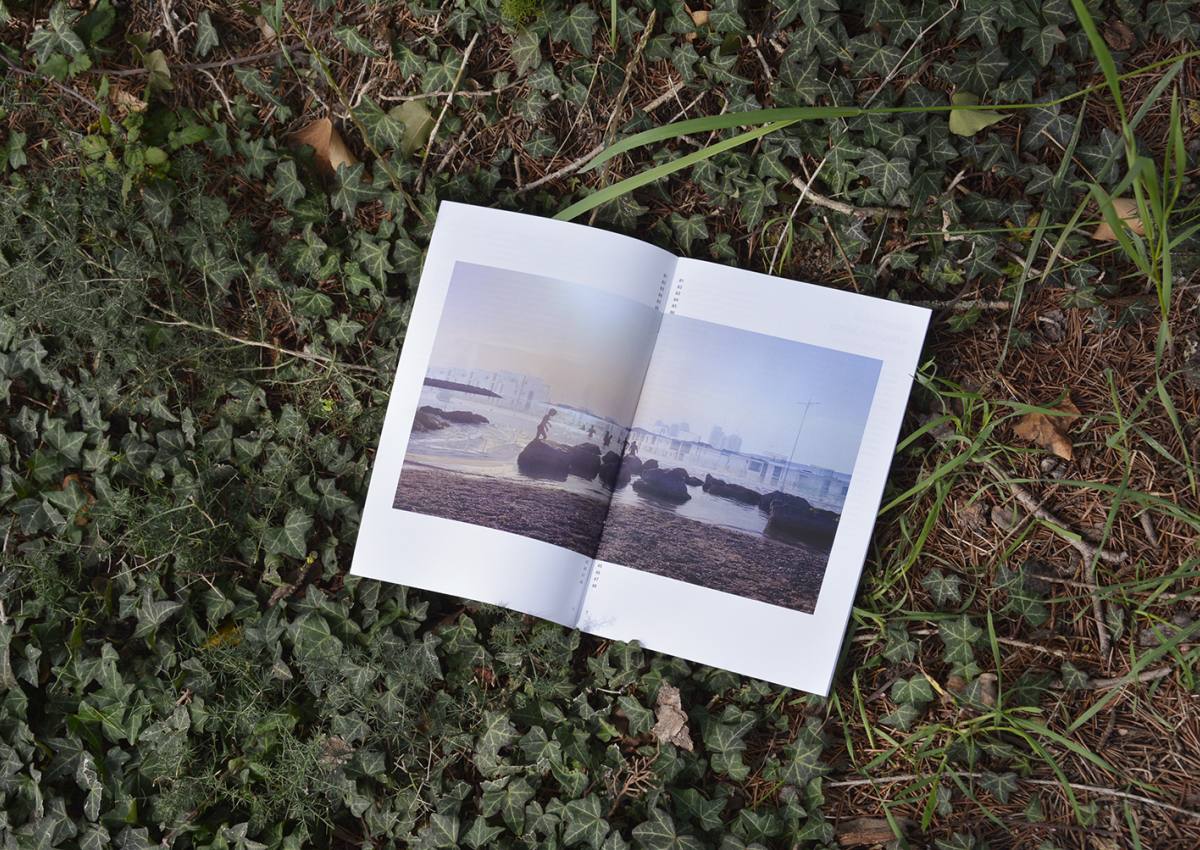
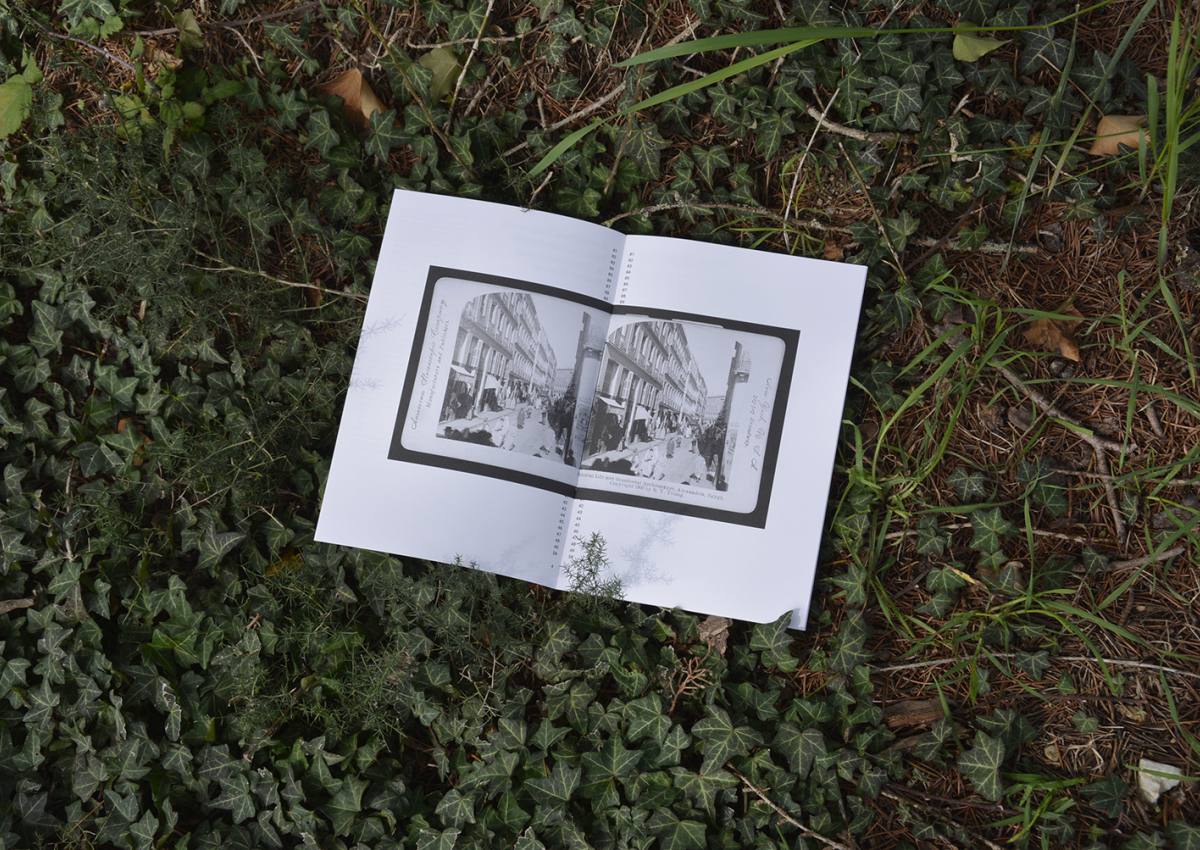
Holding Place is the final outcome of the project Caravan: Thinking with Alexandria. This itinerant residency programme explored the European cities of Athens, Brussels, Marseille, and Nicosia through the lens of Alexandria and its contested urban imaginaries.
Participants travelled across the geographies connected to the project, revisiting these places through various artistic productions. These are documented in one of the booklets that compose this publication, conceived as a constellation of editorial materials.
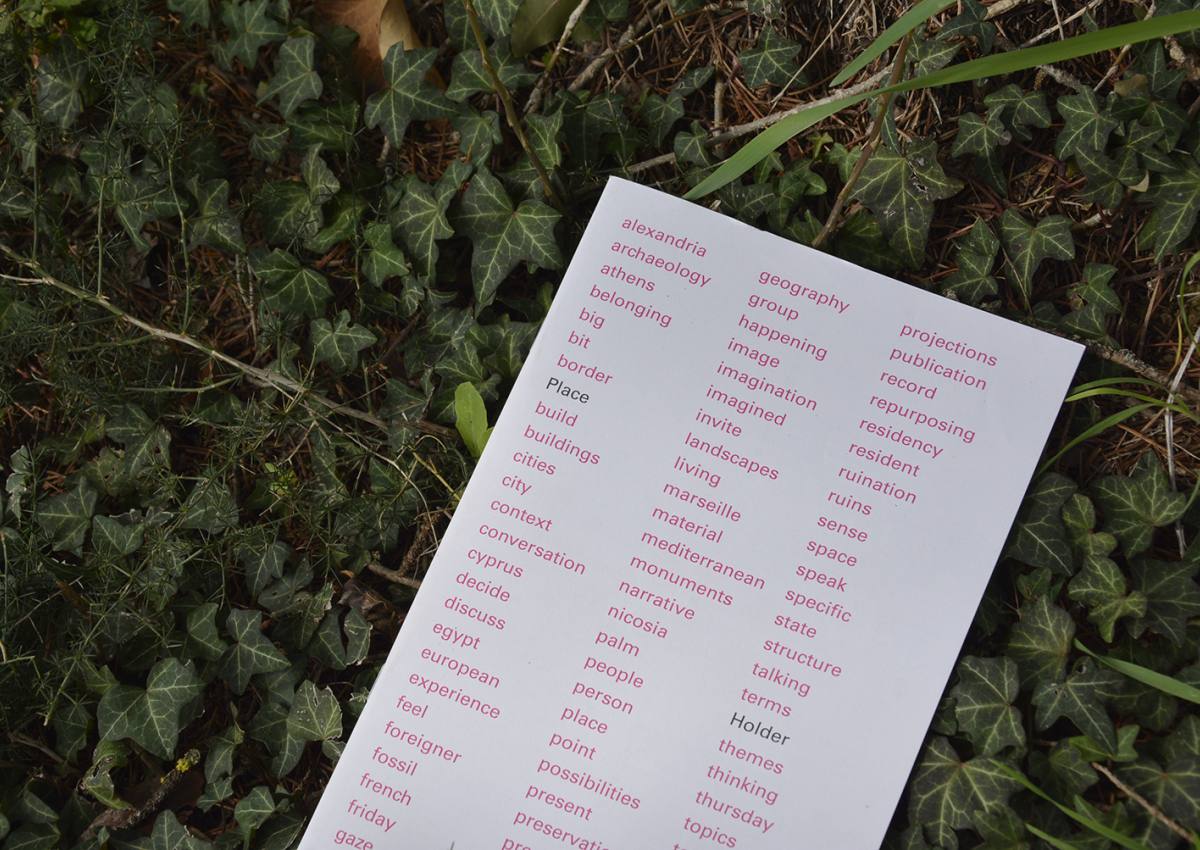
Alongside the production path defined by the institutions leading the initiative, and in order to address the dissonances inherent in a project that seeks to interpret the urban universe of Alexandria— a North African, Egyptian, and Mediterranean city—through a specifically European perspective, some of the residency participants convened for a series of organised conversations. These intimate, critical, and at times challenging discussions ultimately gave rise to the self-produced publication Place Holder.
Bringing together diverse voices, perspectives, and approaches, Holding Place aims to offer multidimensional narratives on Alexandria, Europe, and the Mediterranean, inviting readers to engage with urban and regional landscapes through their blind spots and complexities, rather than through functional and reductive geopolitical imaginaries.
Aa. Vv.
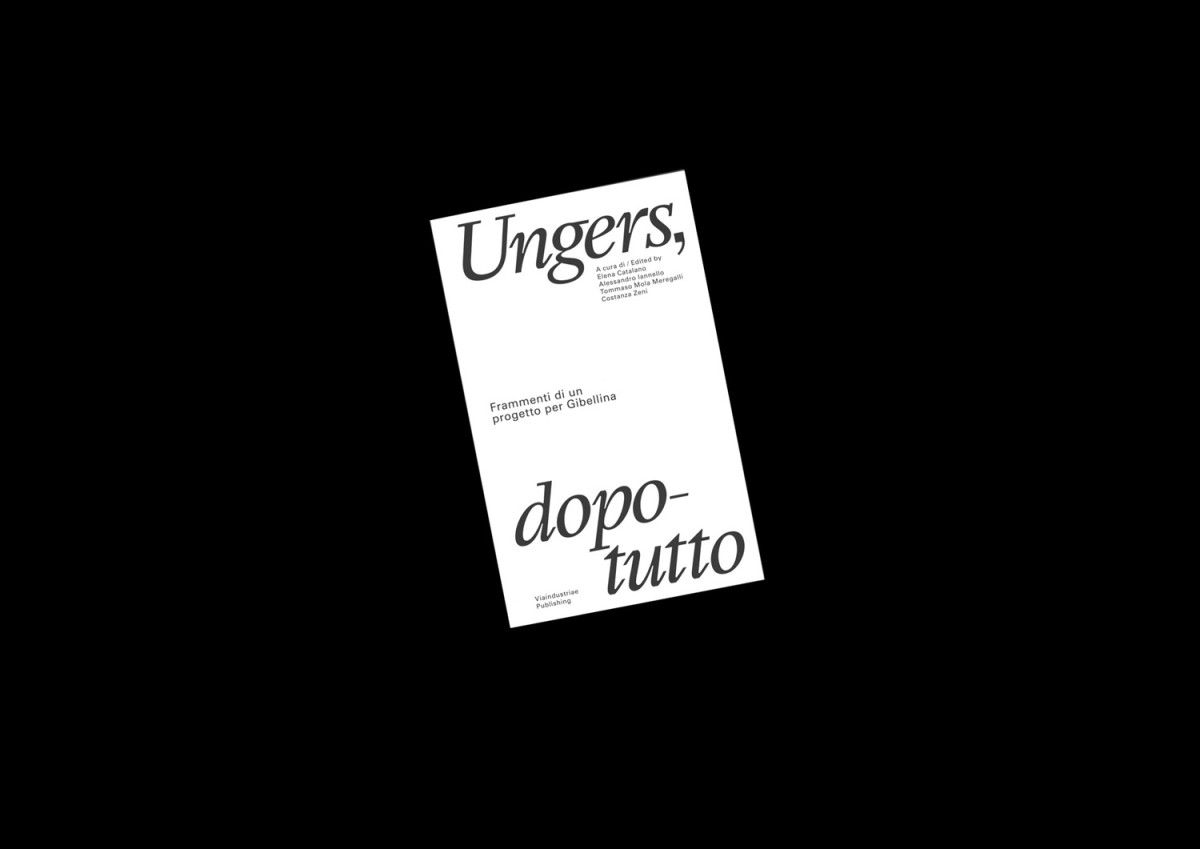
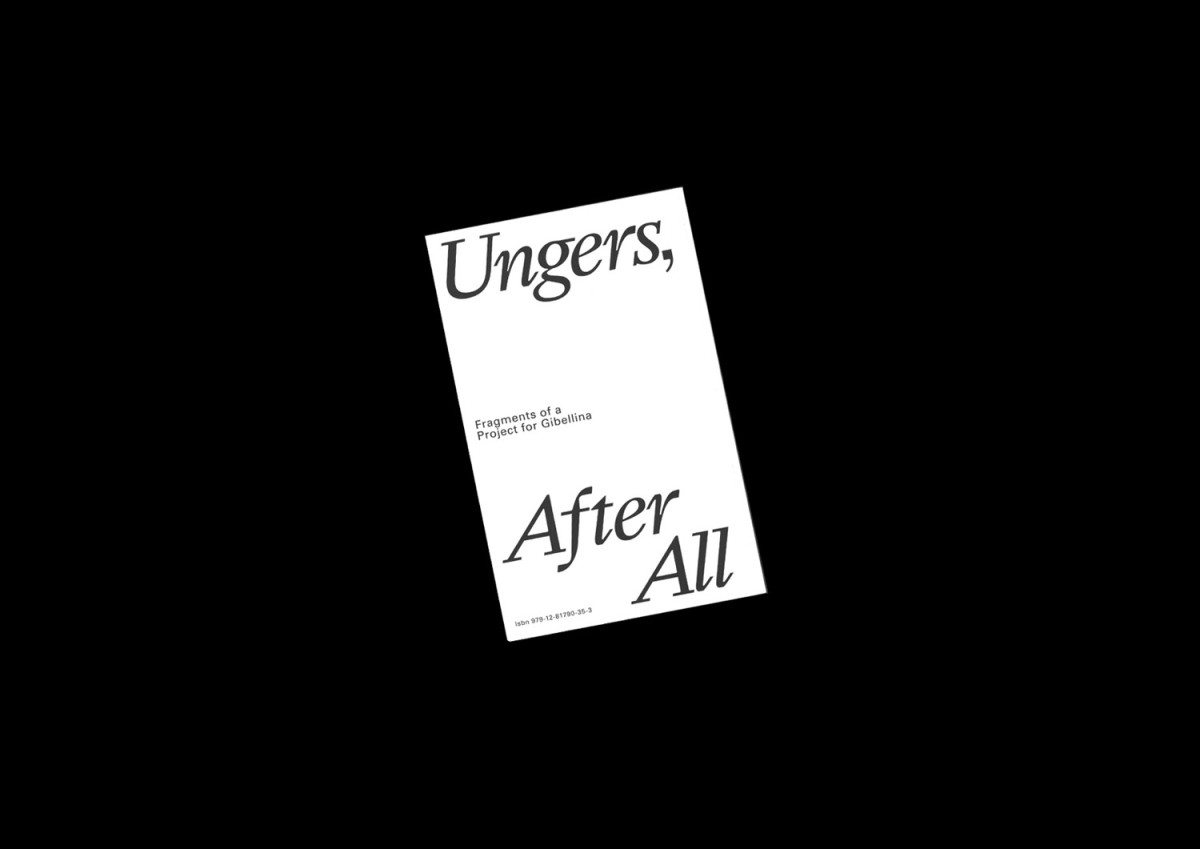
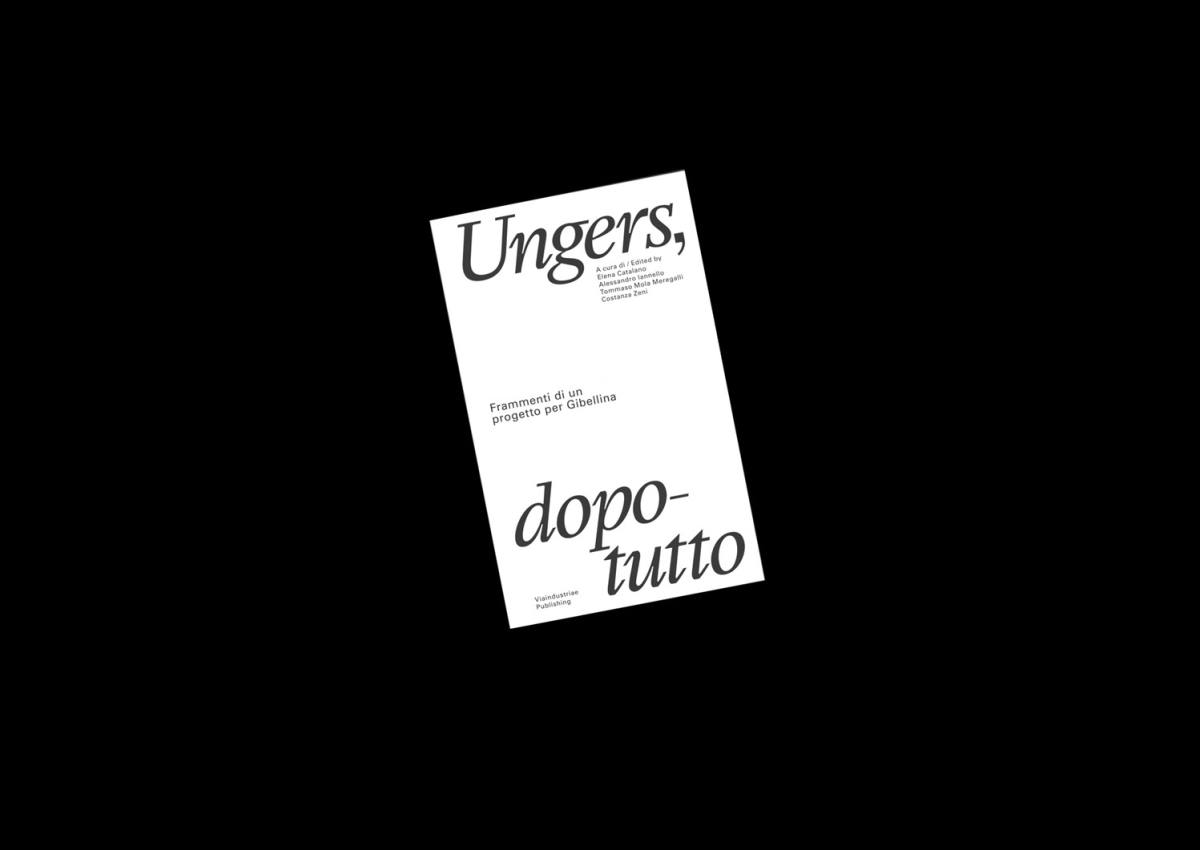
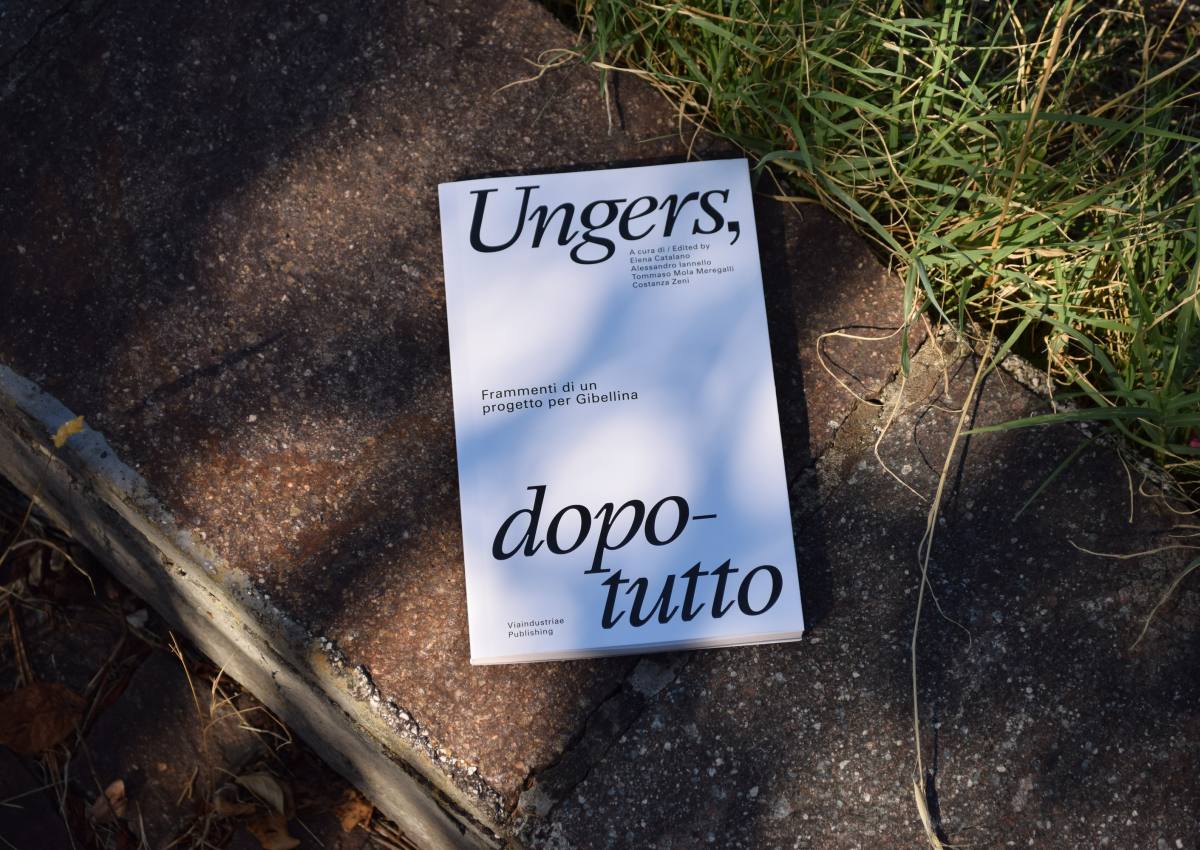
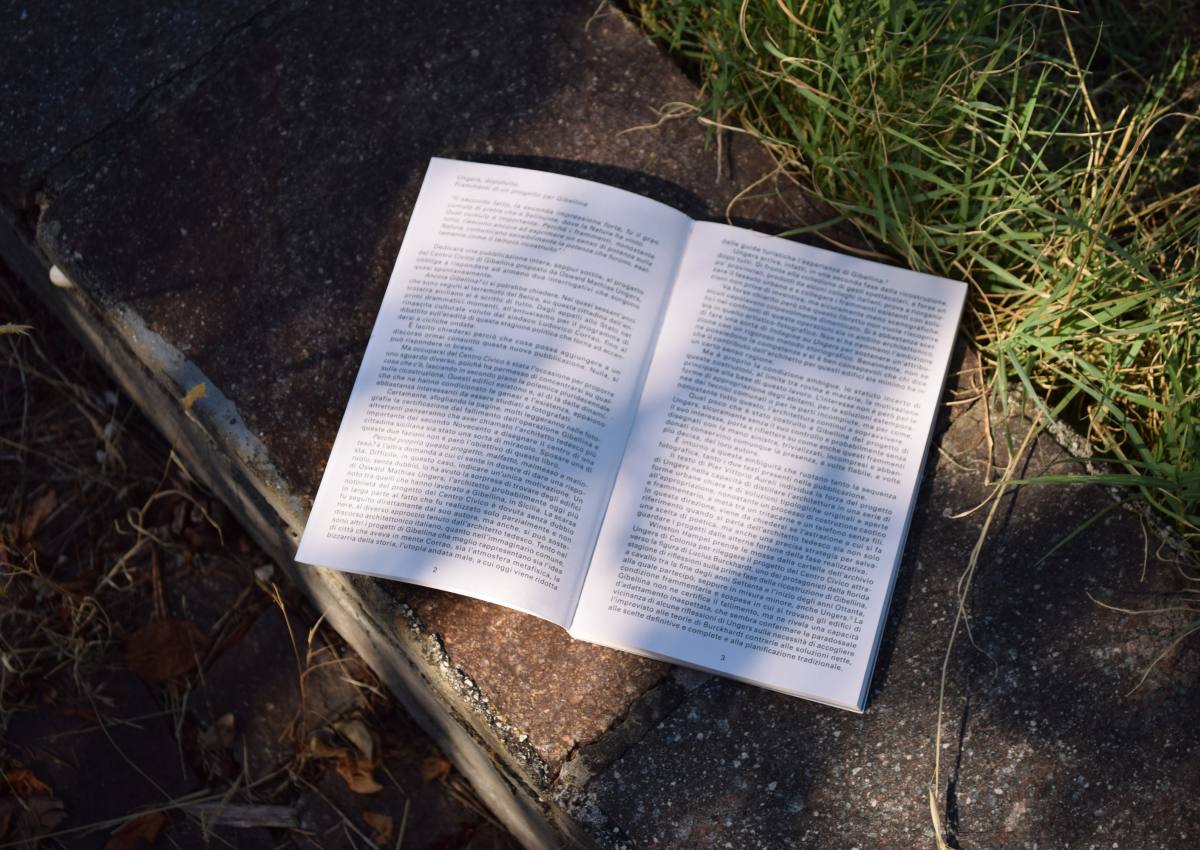
Ungers, dopotutto. Ungers, dopotutto. Frammenti di un progetto per Gibellina
€ 12
Aa. Vv.
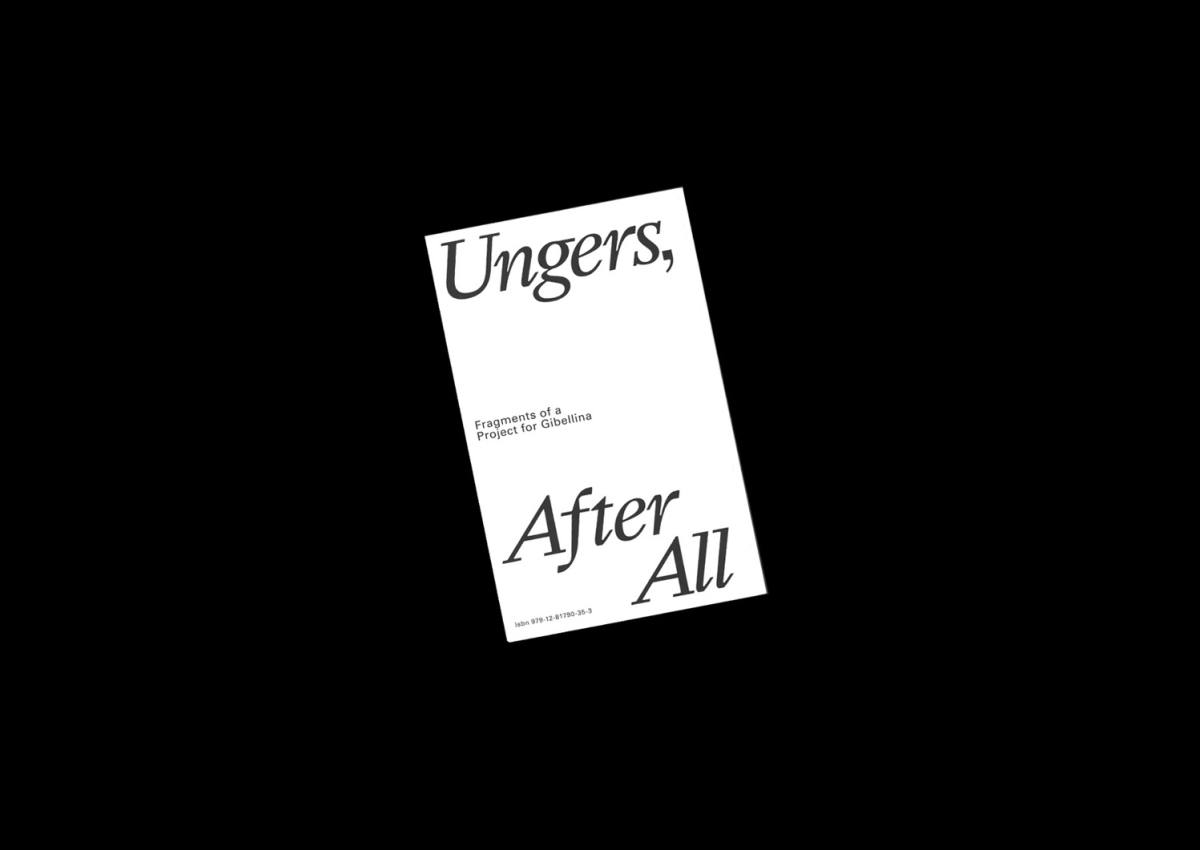
Ungers, After All. Fragments of a Project for Gibellina
€ 12
Edited by Elena Catalano, Alessandro Iannello, Tommaso Mola Melegalli, Costanza Zeni
Produced by Fondazione Studio Rizoma
Texts by Pier Vittorio Aureli, Winston Hampel
80 pp.
12 X 19 cm
ita/eng
2025
ISBN 979-12-81790-35-3
Category: Catalogues Territorial research
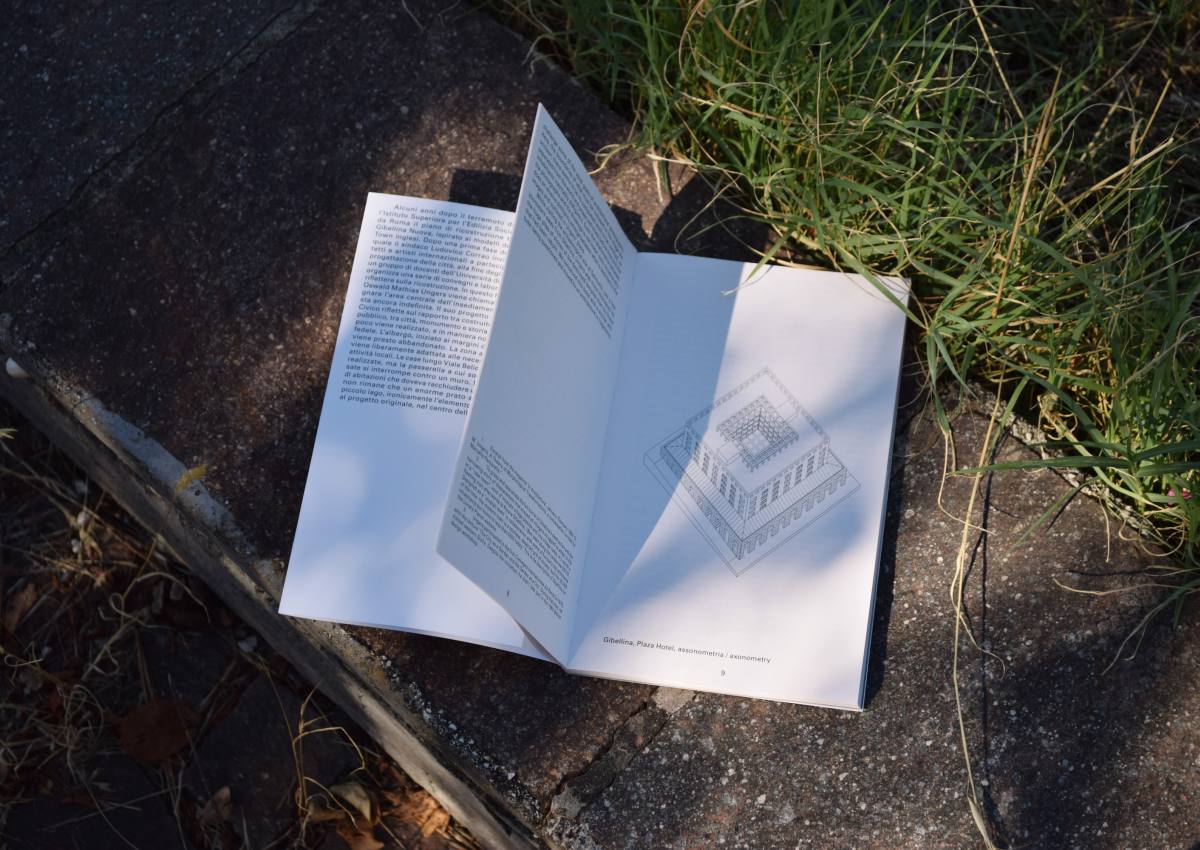
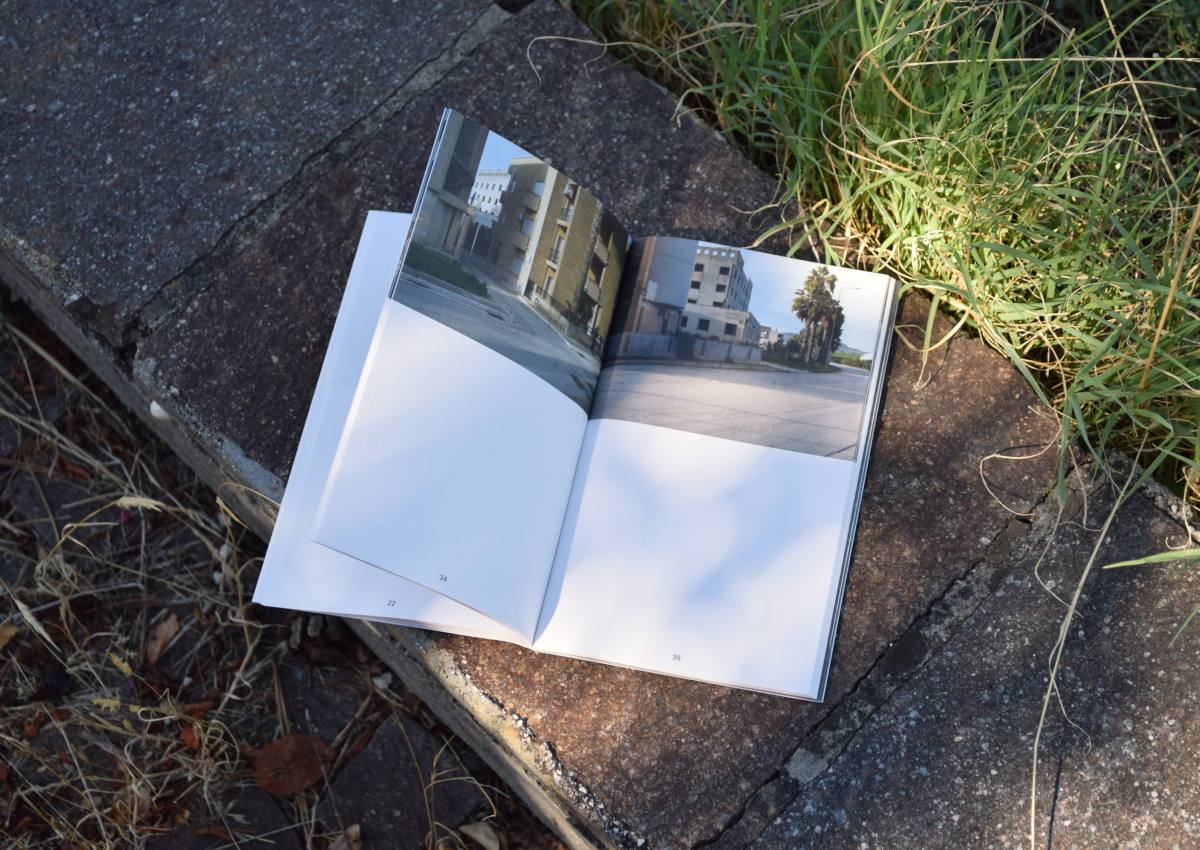
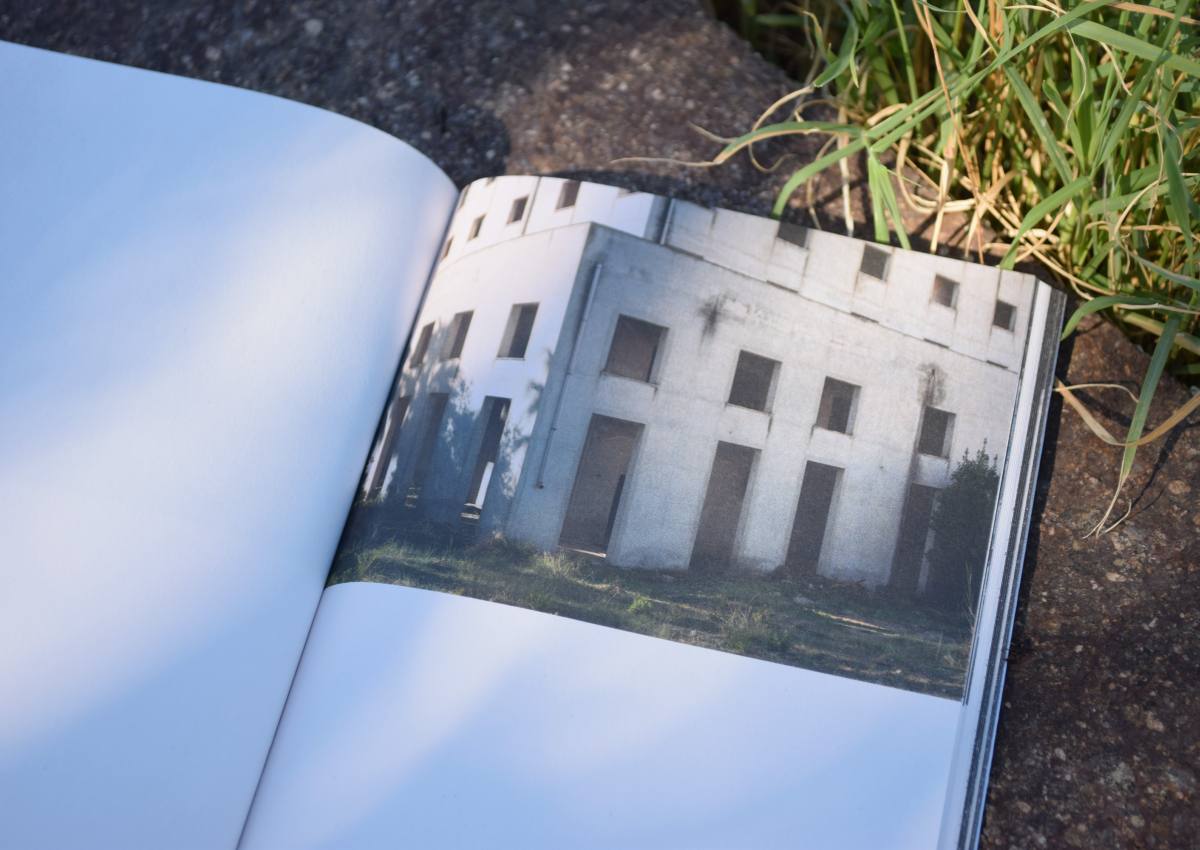
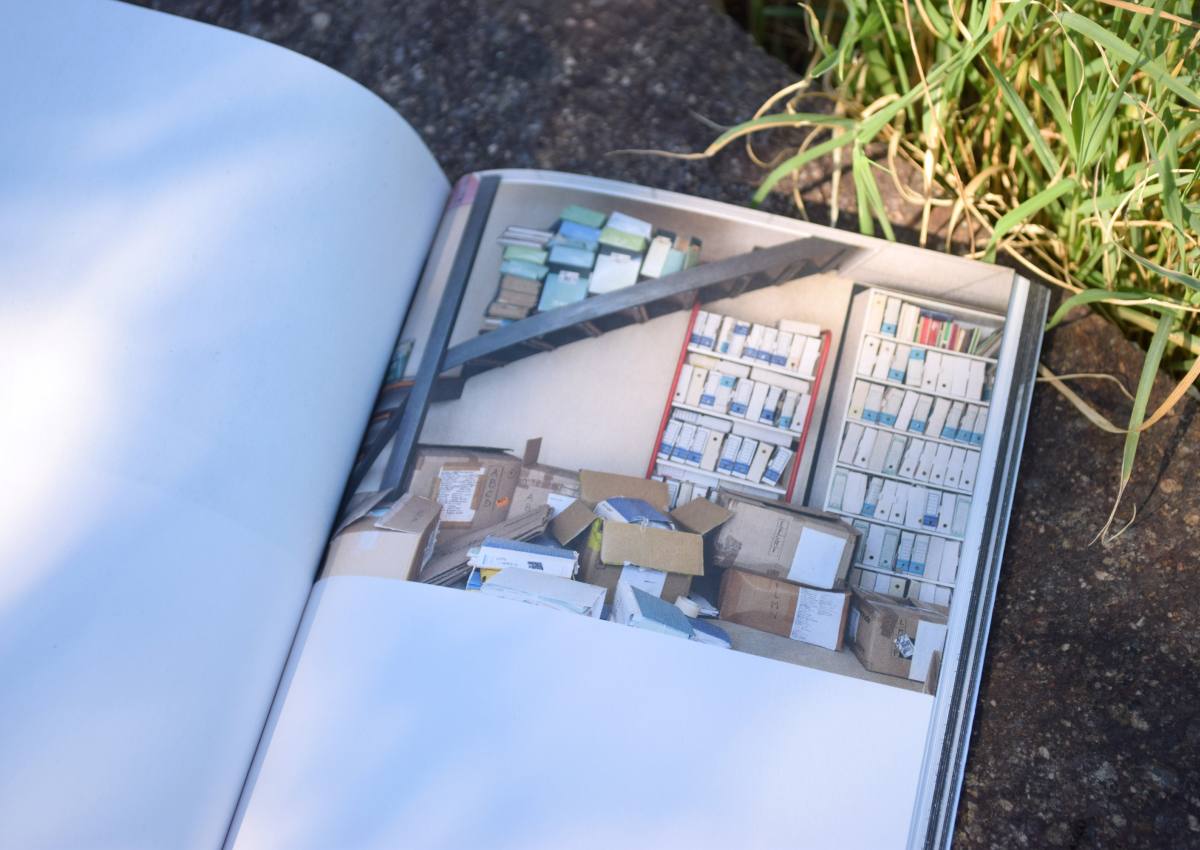
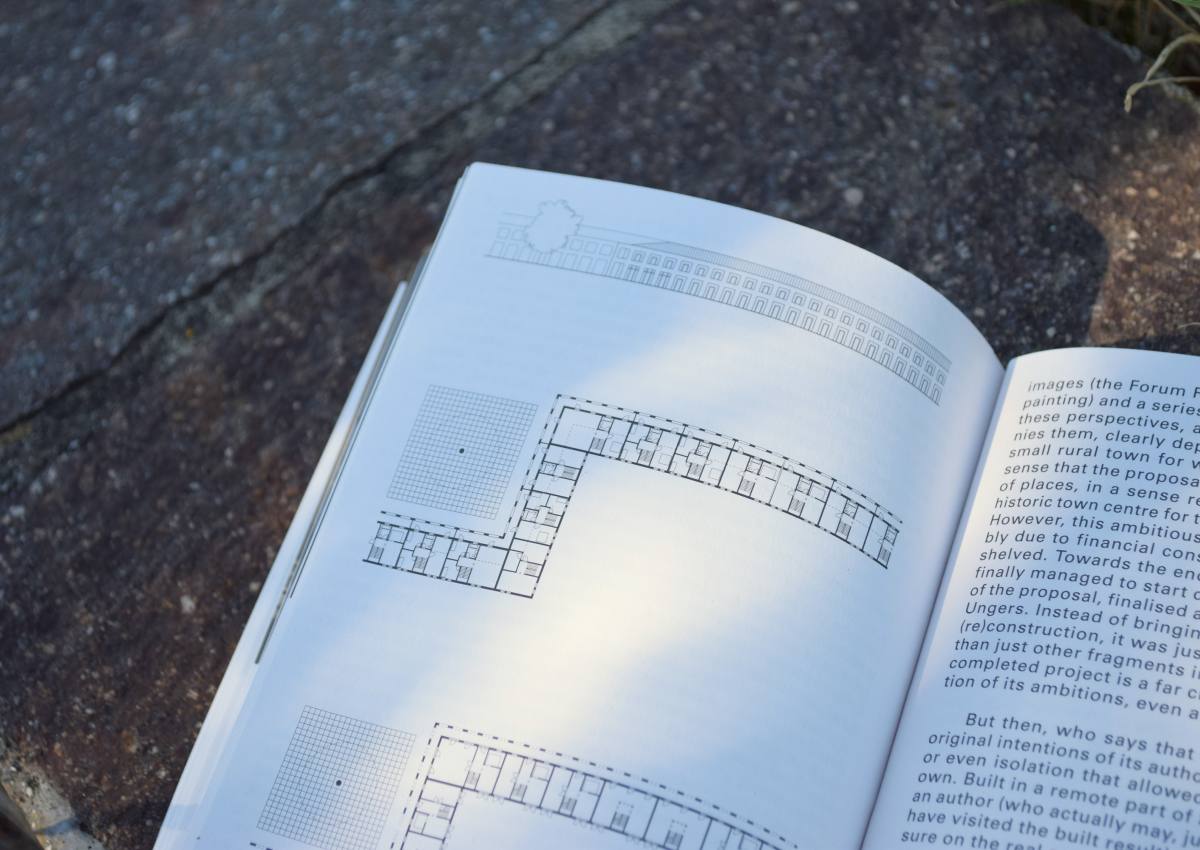
A few years after the 1968 earthquake, the Istituto Superiore per l'Edilizia Sociale of Rome sent the plan for the total reconstruction of Gibellina Nuova, inspired by the models of the English New Towns. After an initial phase during which mayor Ludovico Corrao invited international architects and artists to participate in the city redesign, in the late 1970s a group of professors from the University of Palermo organised a series of seminars and workshops to reflect on the reconstruction. At that moment, Oswald Mathias Ungers was called to design the central area of the settle-ment, which was still undefined. His Civic Centre proposal reflected on the relationship between built and public space, between city, monument and history. However, little was real-ised, not really with rigour. The hotel, started on the edge of town, was soon abandoned. The artisanal district was freely adjusted to the needs of local activities. The housing along Viale Belice was built but its public walkway leads nowhere. What remains of the block of houses that was supposed to enclose a garden is a huge dry meadow and a small lake, ironically the element most faithful to the original project, in the centre of the town.
Virginia Di Lazzaro, Giulia Filippi
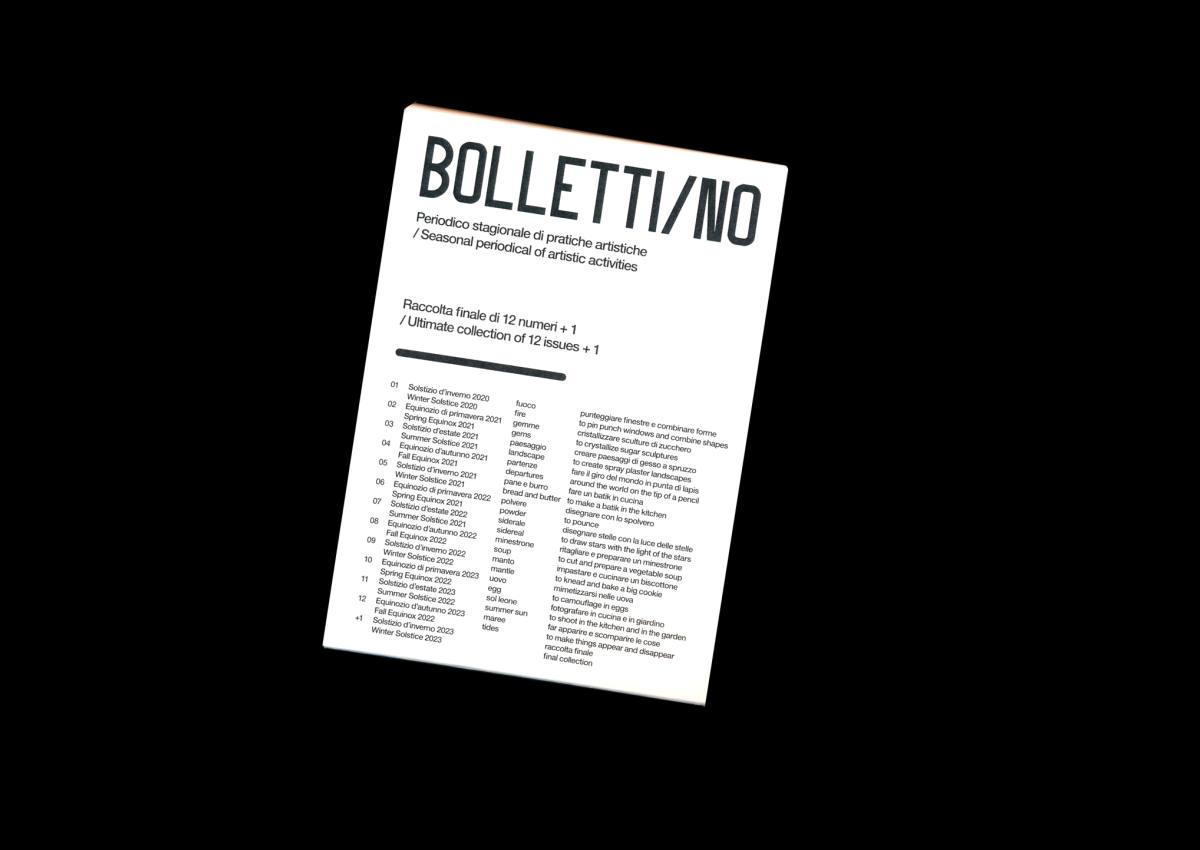
Bolletti/no. Raccolta finale
€ 30
Virginia Di Lazzaro, Giulia Filippi
Bolletti/no. Ultimate collection
€ 30
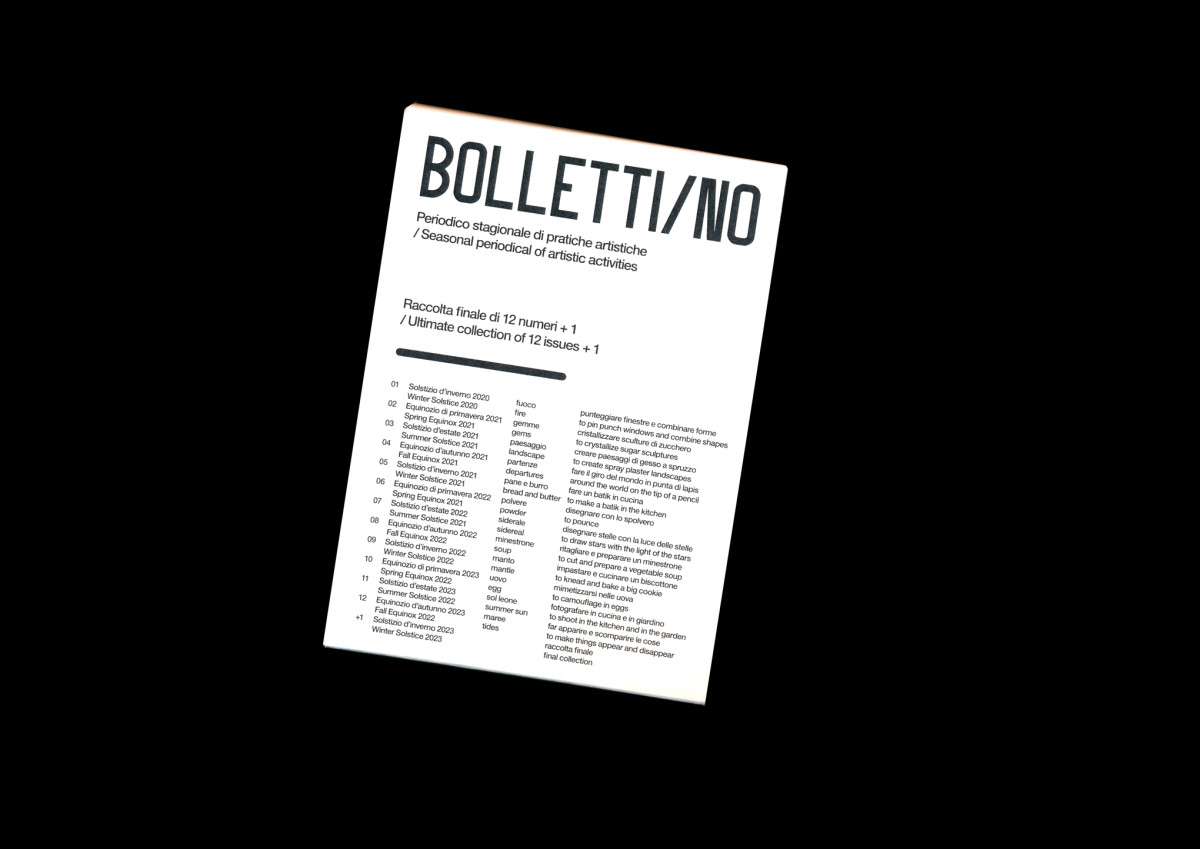
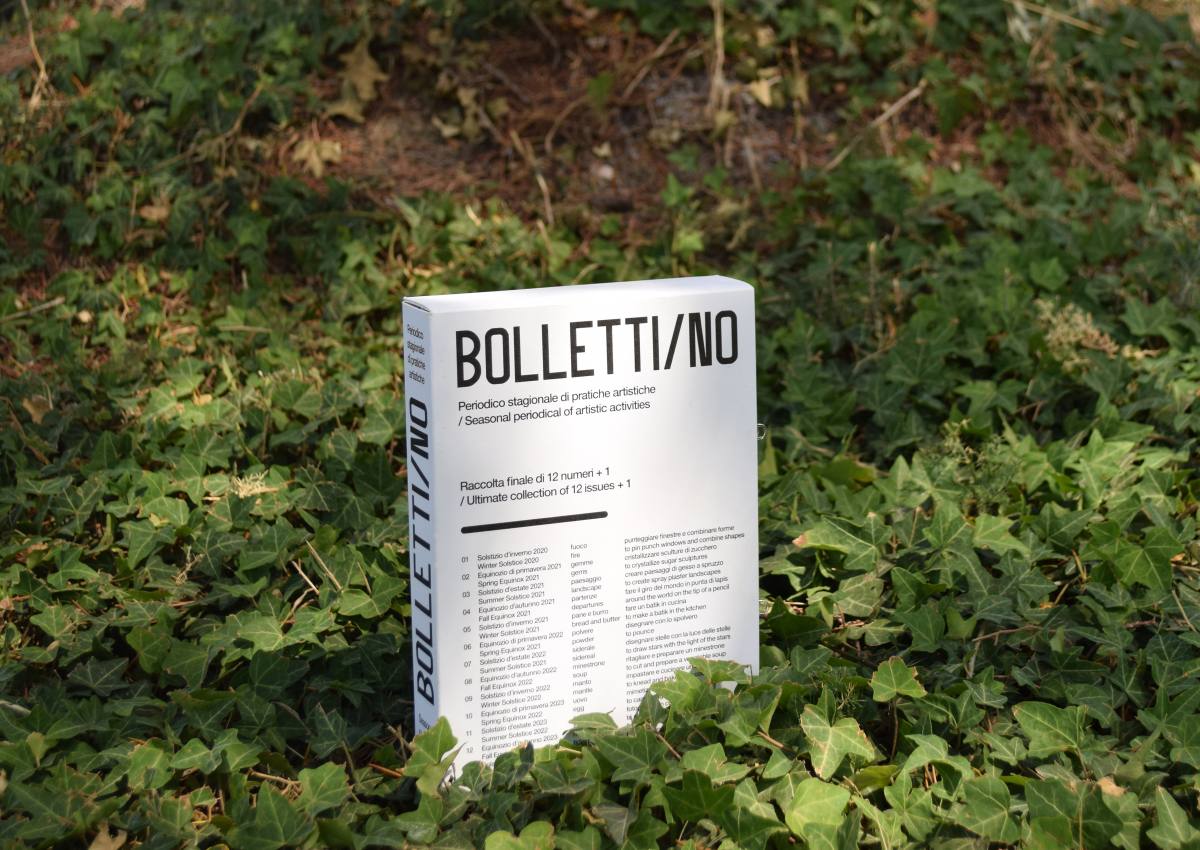
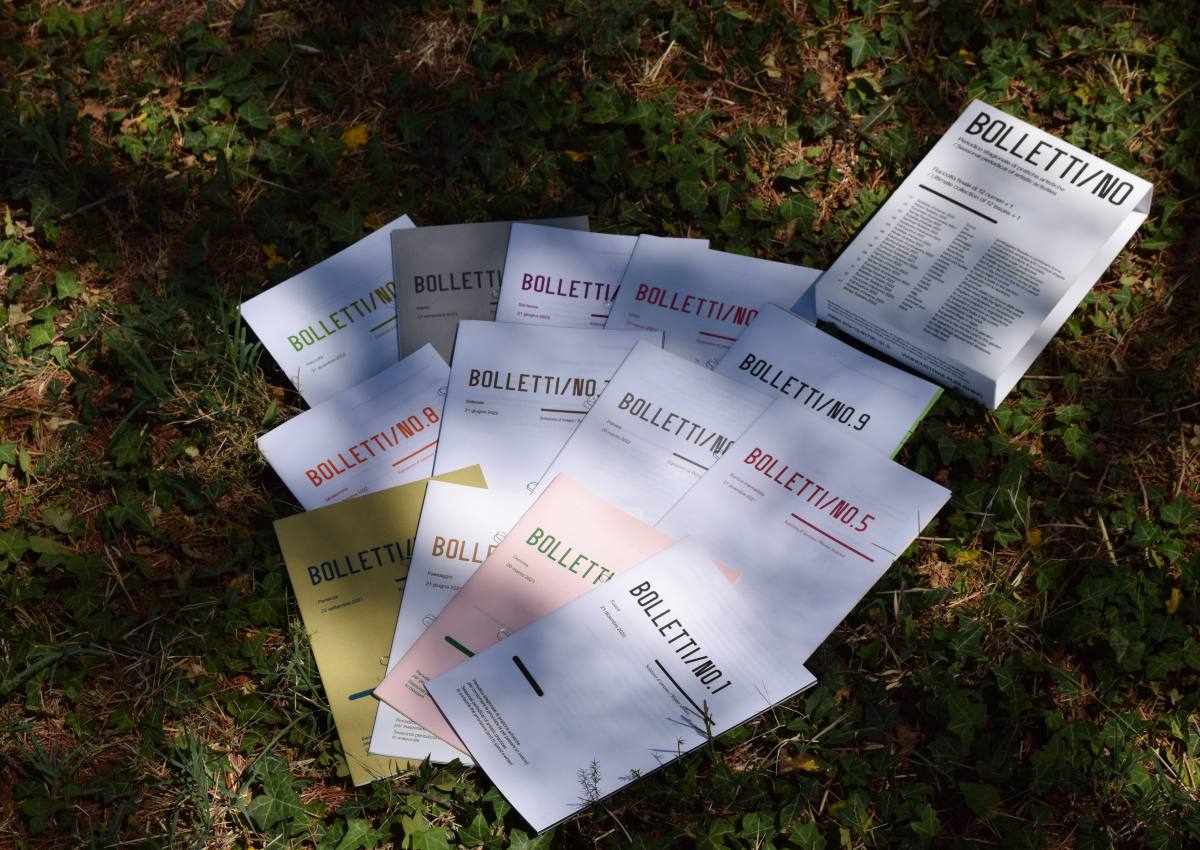
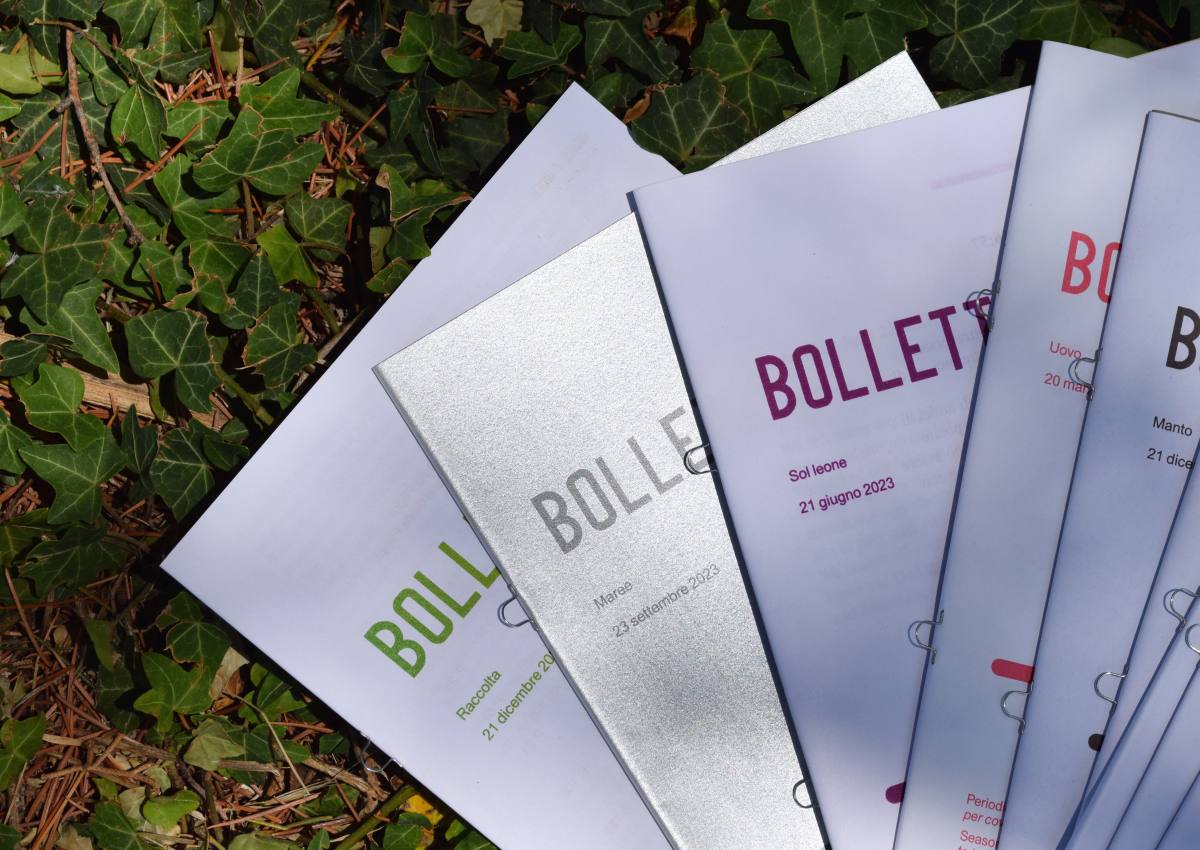
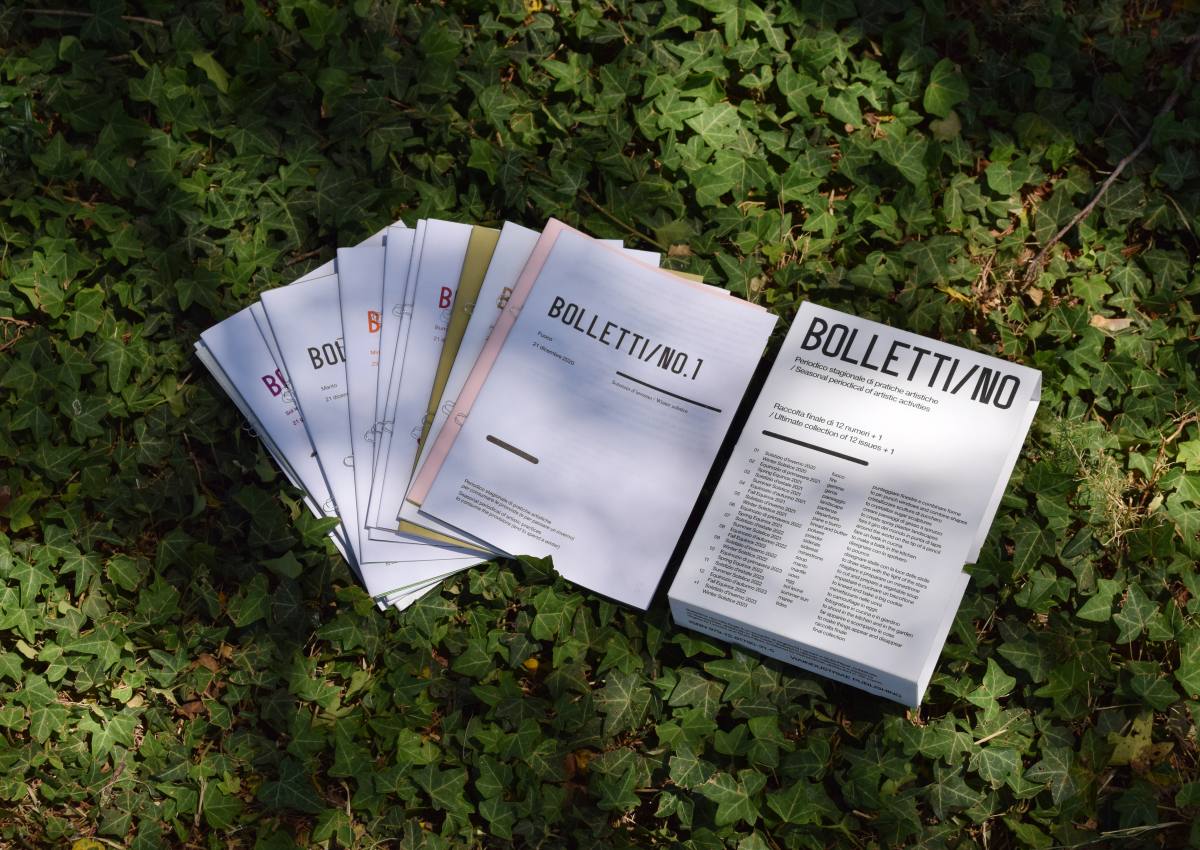
Ultimate collection of 12 issues + 1
01. Winter Solstice 2020, fire, to pin punch windows and combine shapes
02. Sprint Equinox 2021, gems, to crystallize sugar sculptures
03. Summer Solstice 2021, landscape, to create spray plaster landscapes
04. Fall Equinox 2021, departures, around the world on the tip of a pencil
05. Winter Solstice 2021, bread and butter, to make a batik in the kitchen
06. Sprint Equinox 2022, powder, to pounce
07. Summer Solstice 2022, sidereal, to draw stars with the light of the stars
08. Fall Equinox 2022, soup, to cut and prepare a vegetable soup
09. Winter Solstice 2022, mantle, to knead and bake a big cookie
10. Sprint Equinox 2023, egg, to camouflage in eggs
11. Summer Solstice 2023, summer sun, to shoot in the kitchen and in the garden
12. Fall Equinox 2023, tides, to make things appear and disappear
13. Winter Solstice 2023, final collection
15x21 cm
ita/eng
ISBN 979-12-81790-31-5
Category: Territorial research Catalogues Theory
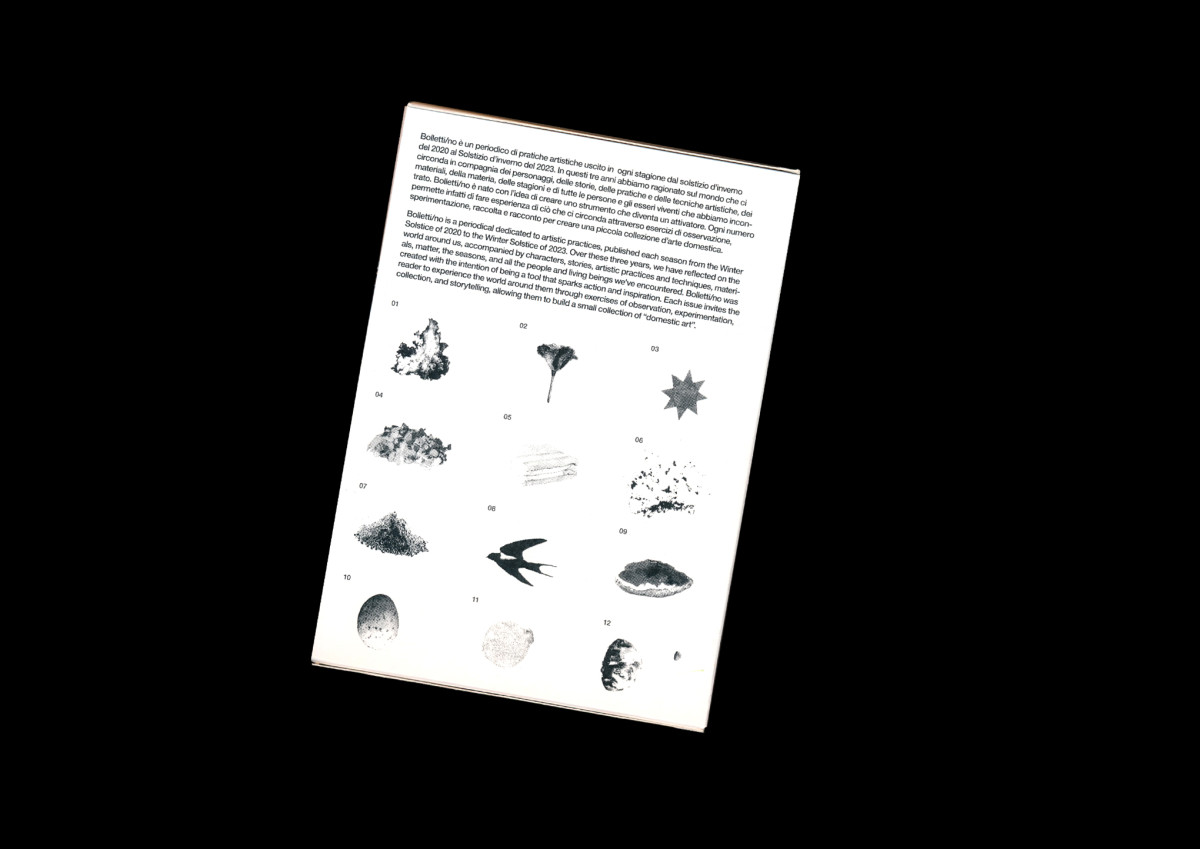
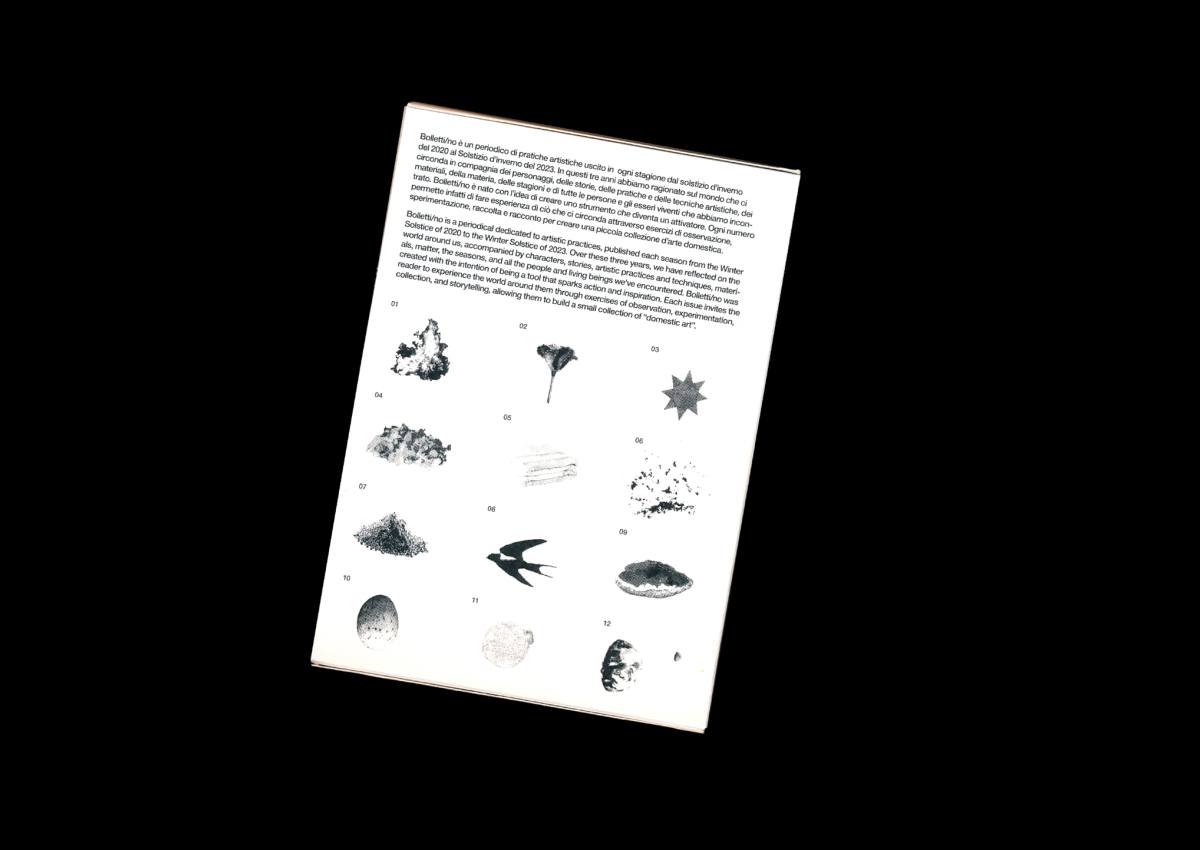
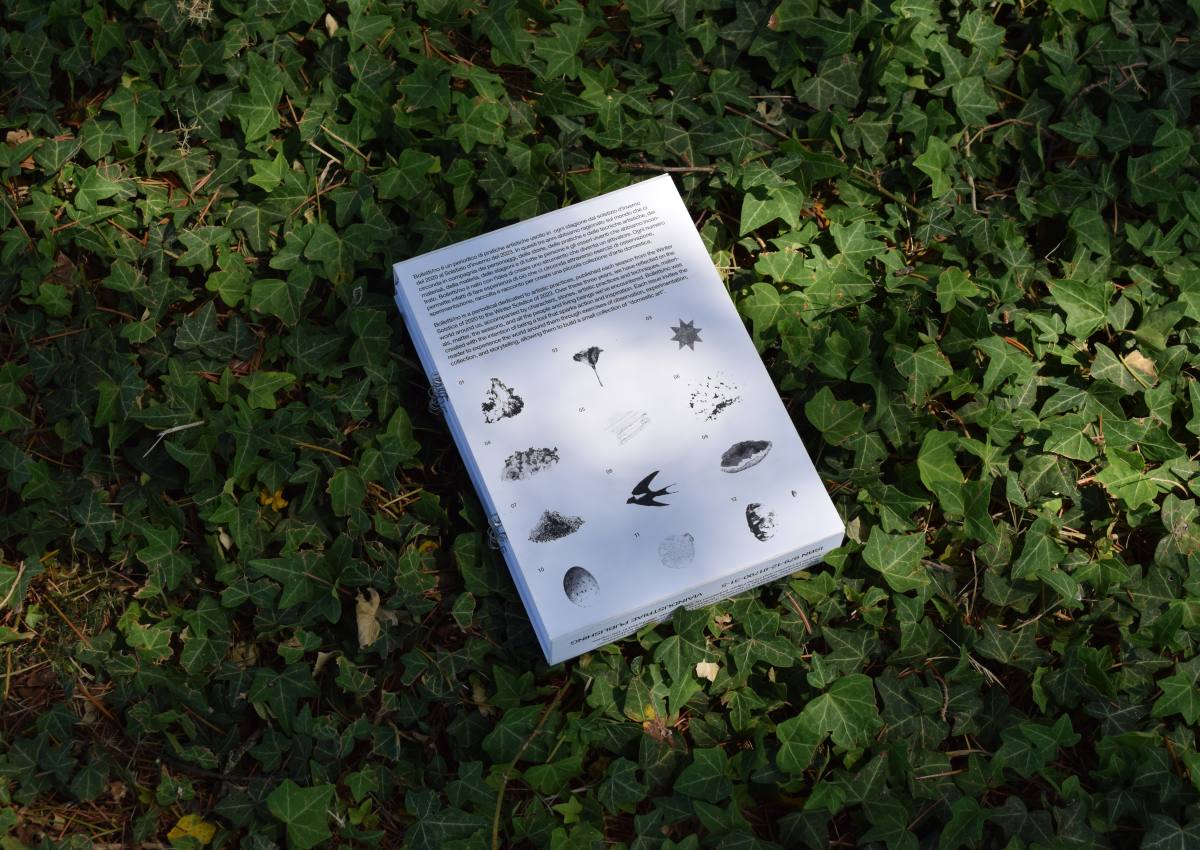
Bolletti/no is a journal of experimental didactics published for each solstice and equinox over a period of 3 years, between 2020 and 2023, for a total of 12 issues + a final extra issue. It was created to give a concrete printed form to a series of practices developed by Virginia Di Lazzaro and Giulia Filippi during their shared workshop activities with children and adults. Over these three years, the artists and authors have reflected on the world around them, accompanied by characters, stories, artistic practices and techniques, materials, matter, the seasons, and all the people and living beings they've encountered. Bolletti/no was created with the intention of being a tool that sparks action and inspiration. Each issue invites the reader to experience the world around them through exercises of observation, experimentation, collection, and storytelling, allowing them to build a small collection of "domestic art". Bolletti/no has experimented not only with content but also with distribution methods over the years: initially distributed individually, then as a subscription sent directly to the homes of those who chose to support the project, it now becomes a box set containing all 12 issues, plus the special issue and the related posters.
Vv. Aa.
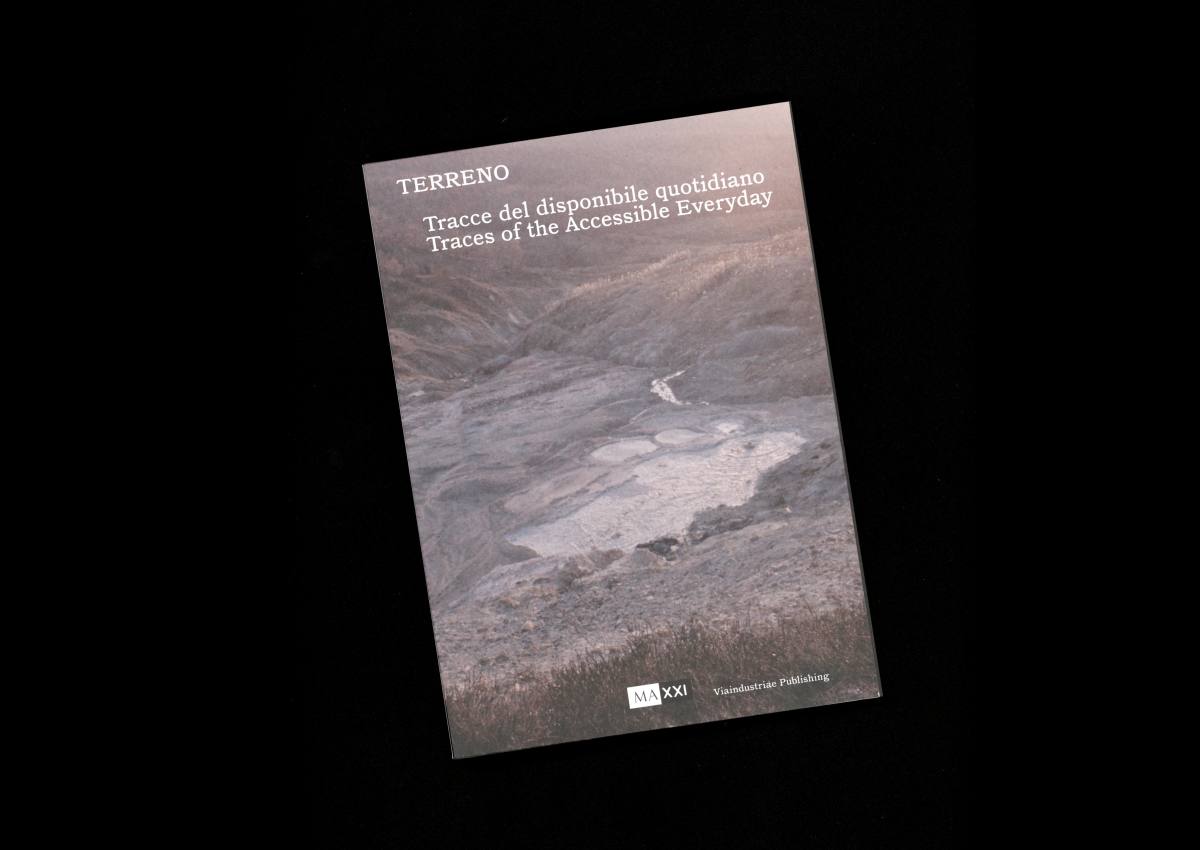
Terreno. Traces of the Accessible Everyday
€ 18
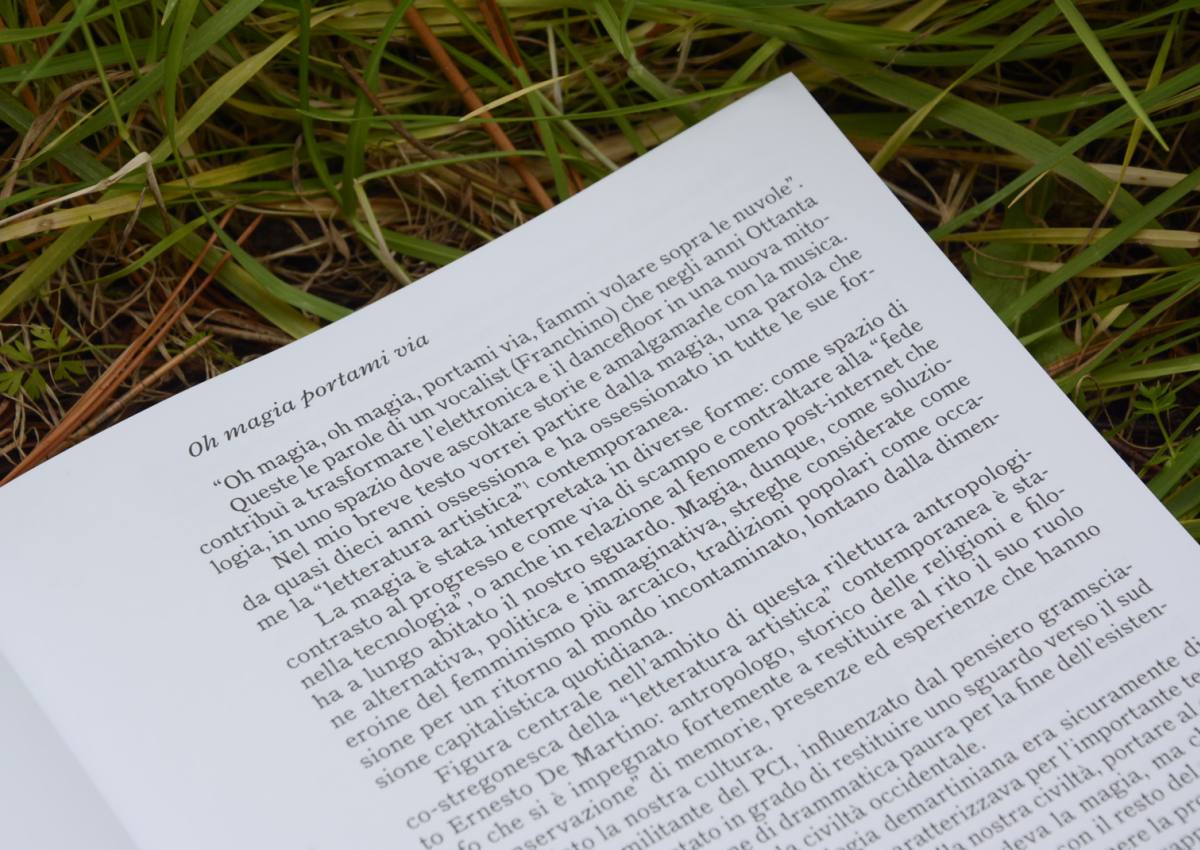
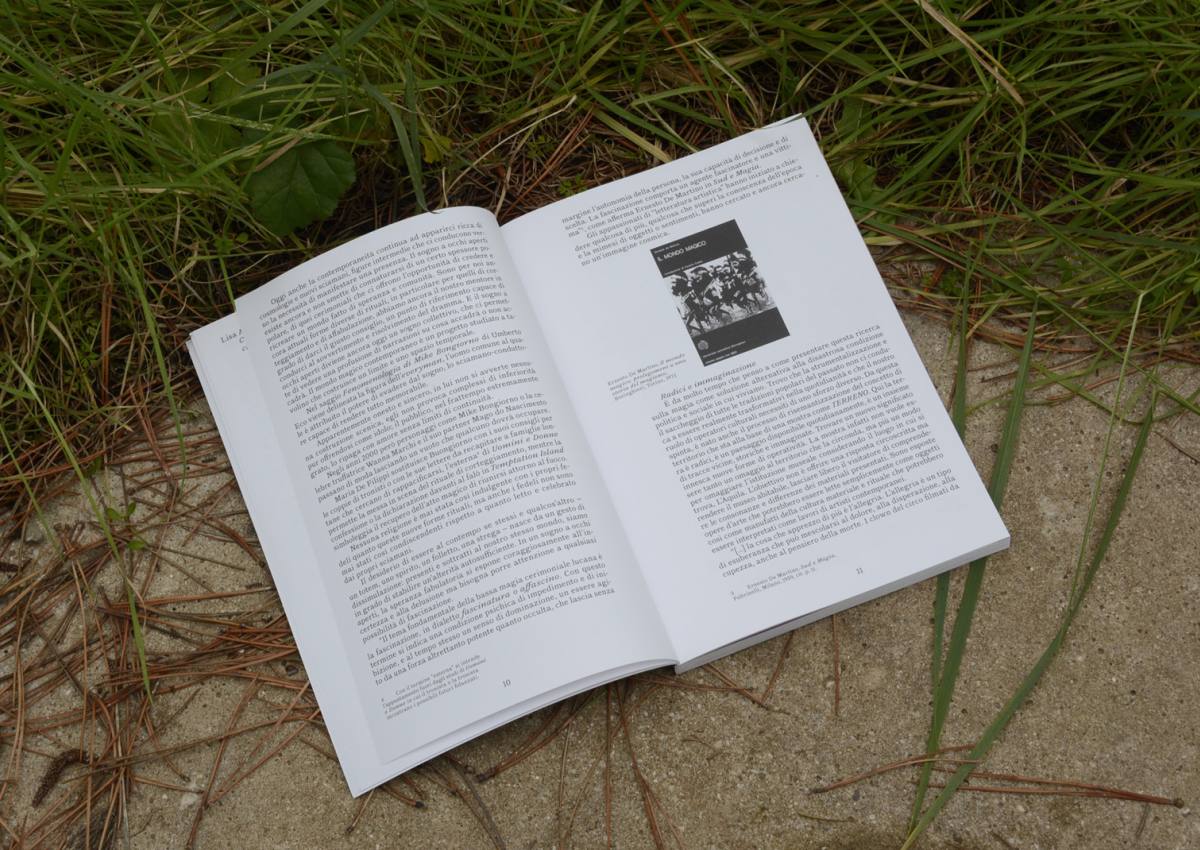
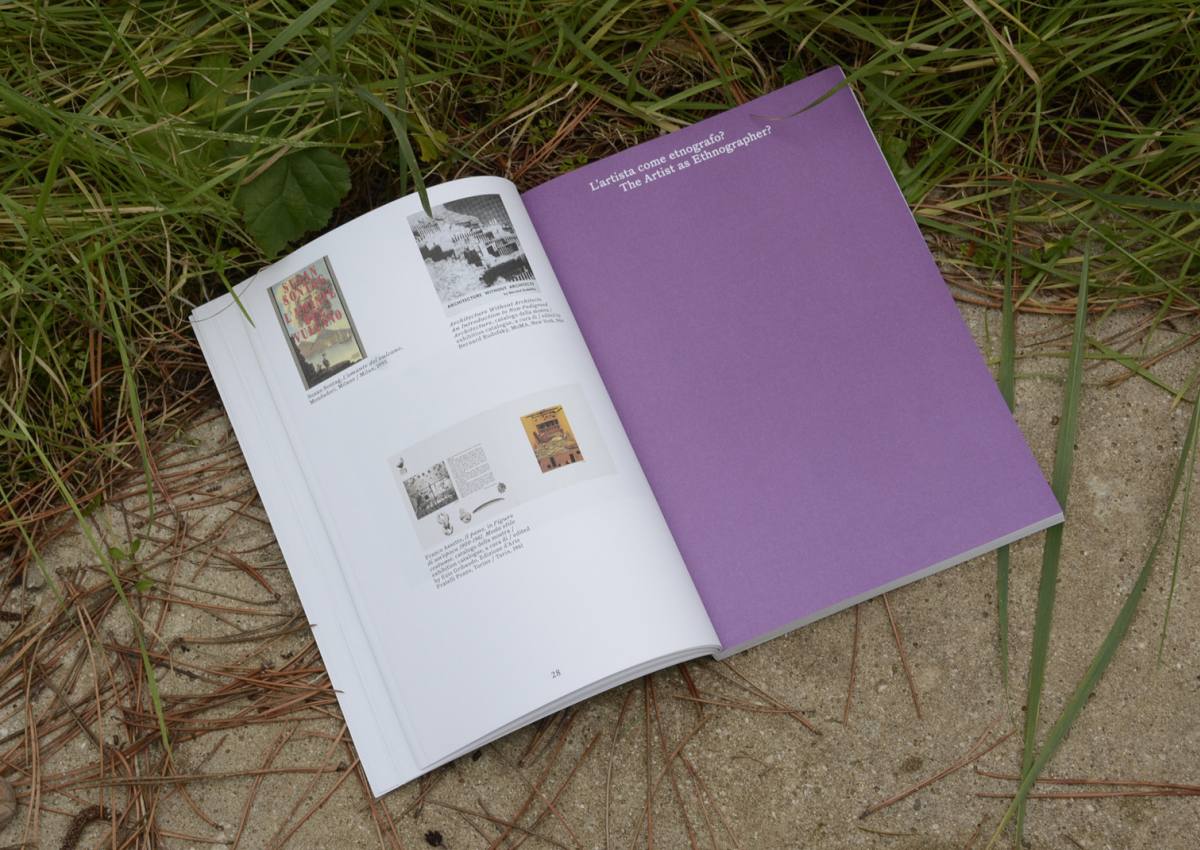
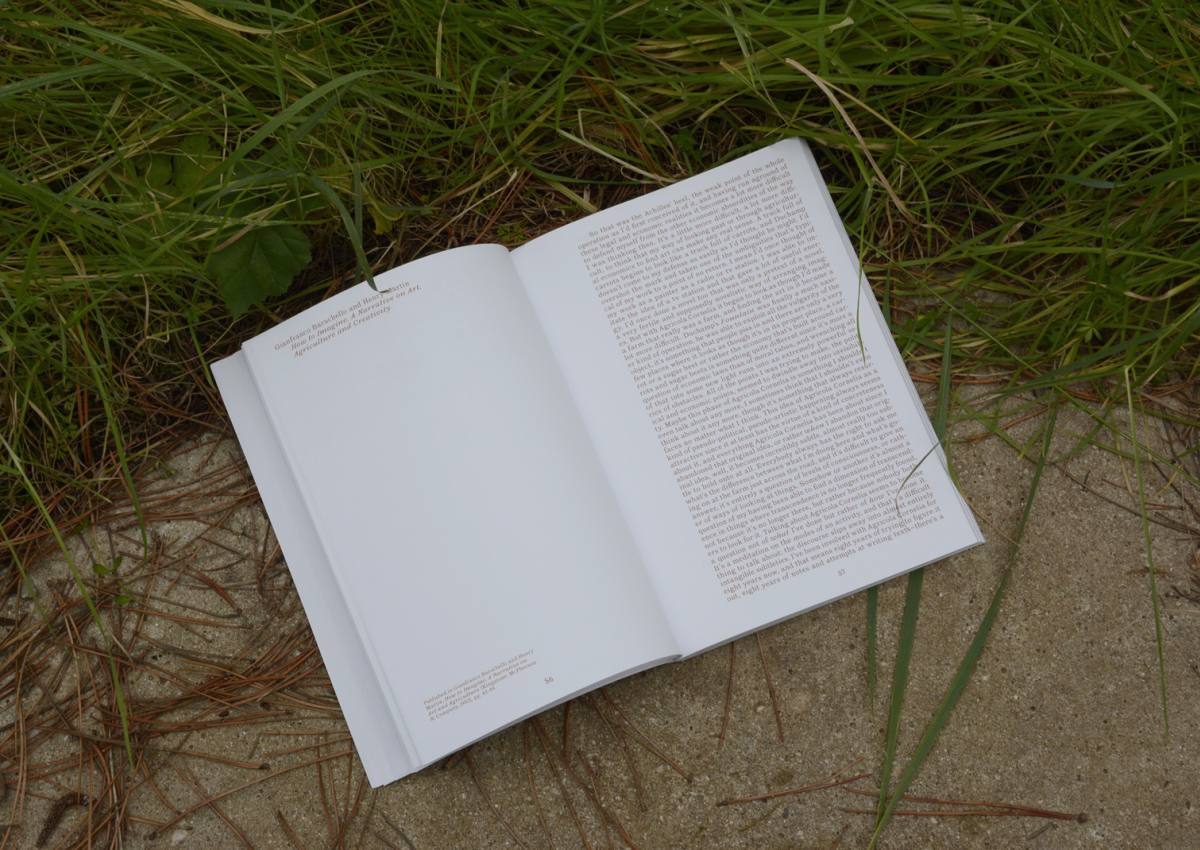
Vv. Aa.
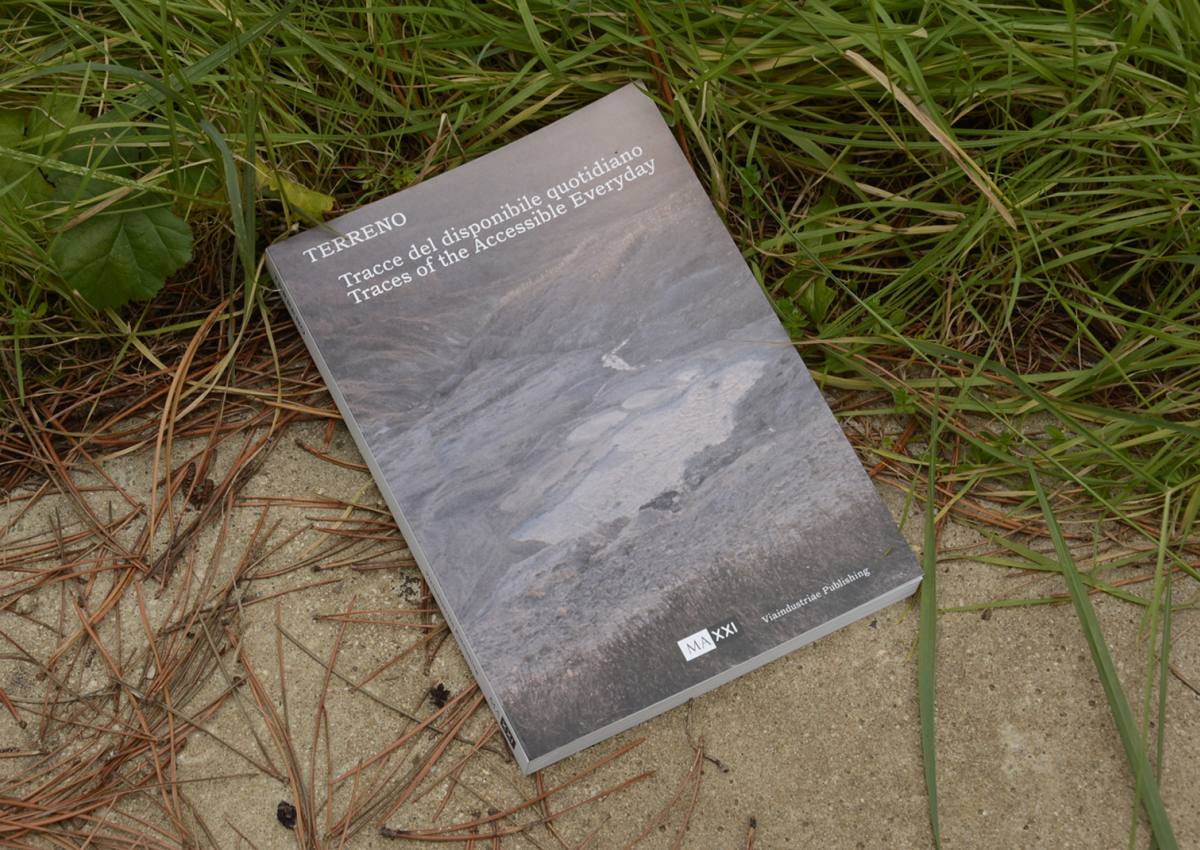
Terreno. Traces of the Accessible Everyday
€ 18
Edited by Lisa Andreani
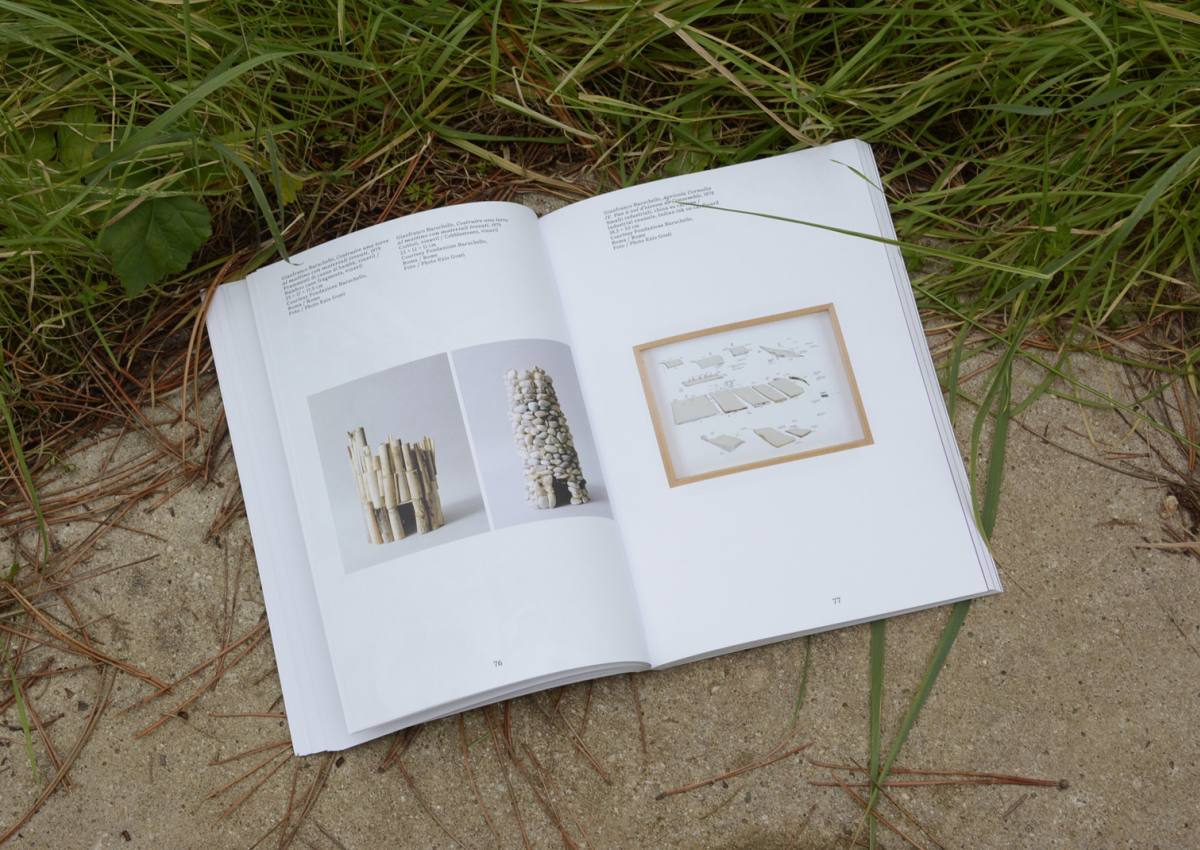
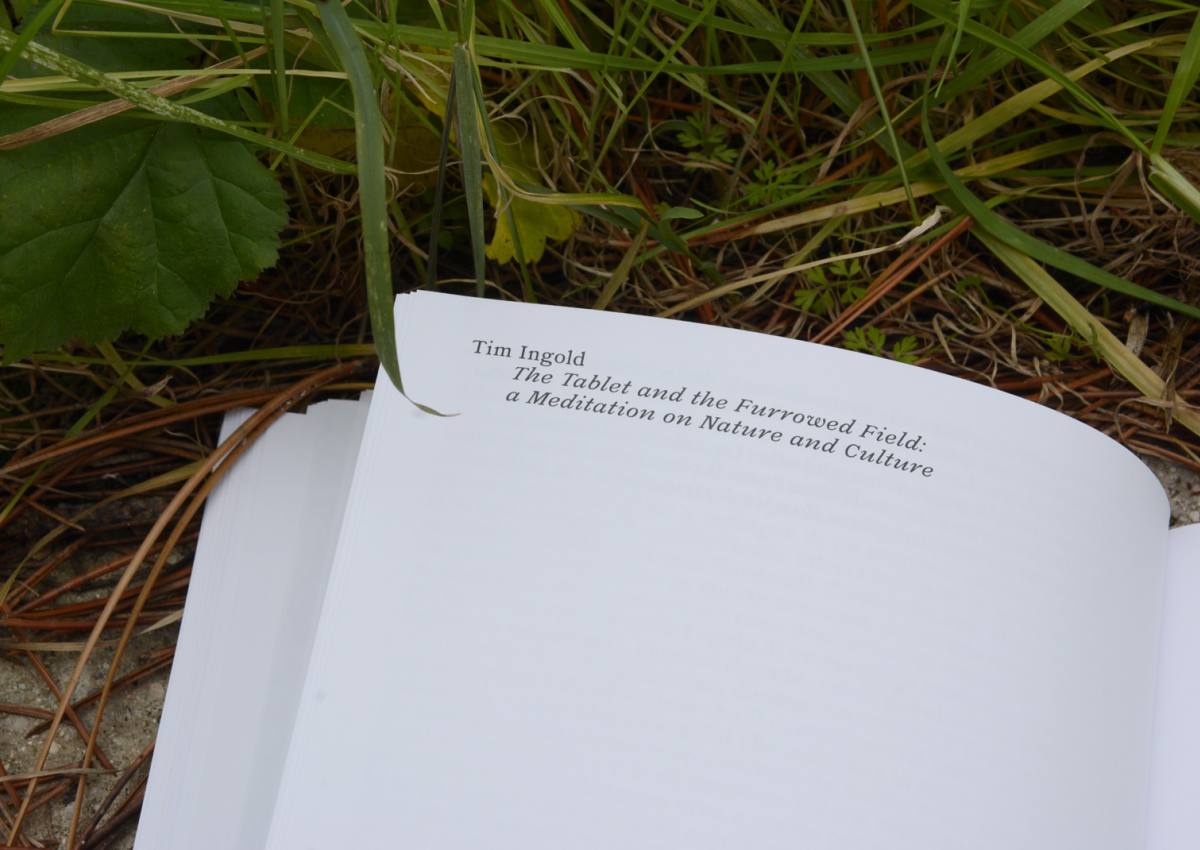
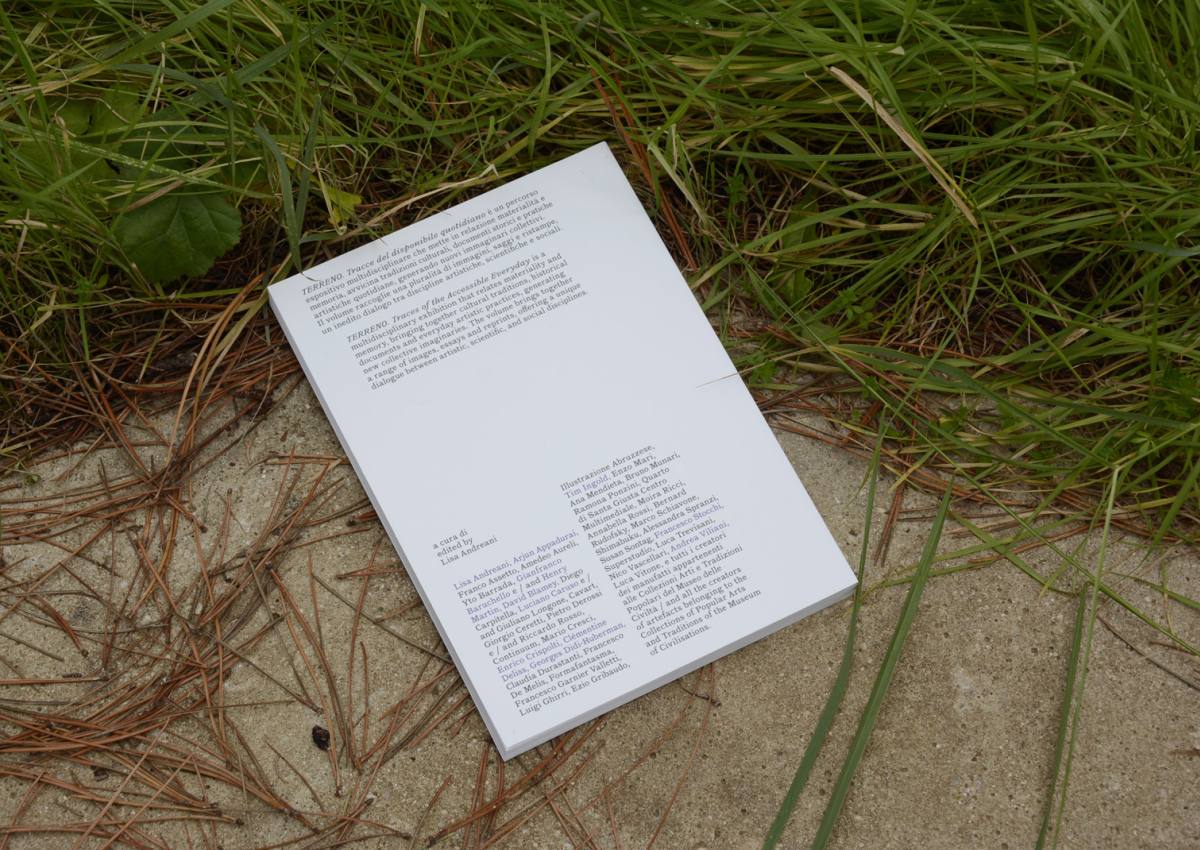
Texts by Lisa Andreani, Arjun Appadurai, Gianfranco Baruchello e Henry Martin, David Blamey, Luciano Caruso, Enrico Crispolti, Clémentine Deliss, Georges Didi-Huberman, Tim Ingold, Francesco Stocchi, Andrea Viliani.
Published in the occasion of the exhibition
TERRENO. Traces of the Accessible Everyday
L’Aquila, MAXXI L’Aquila
7 December 2024 - 4 May 2025
208 pp.
17 x 24 cm
Color and bw printing
ita/eng
2024
ISBN 979-12-81790-24-7
Category: Catalogues Territorial research
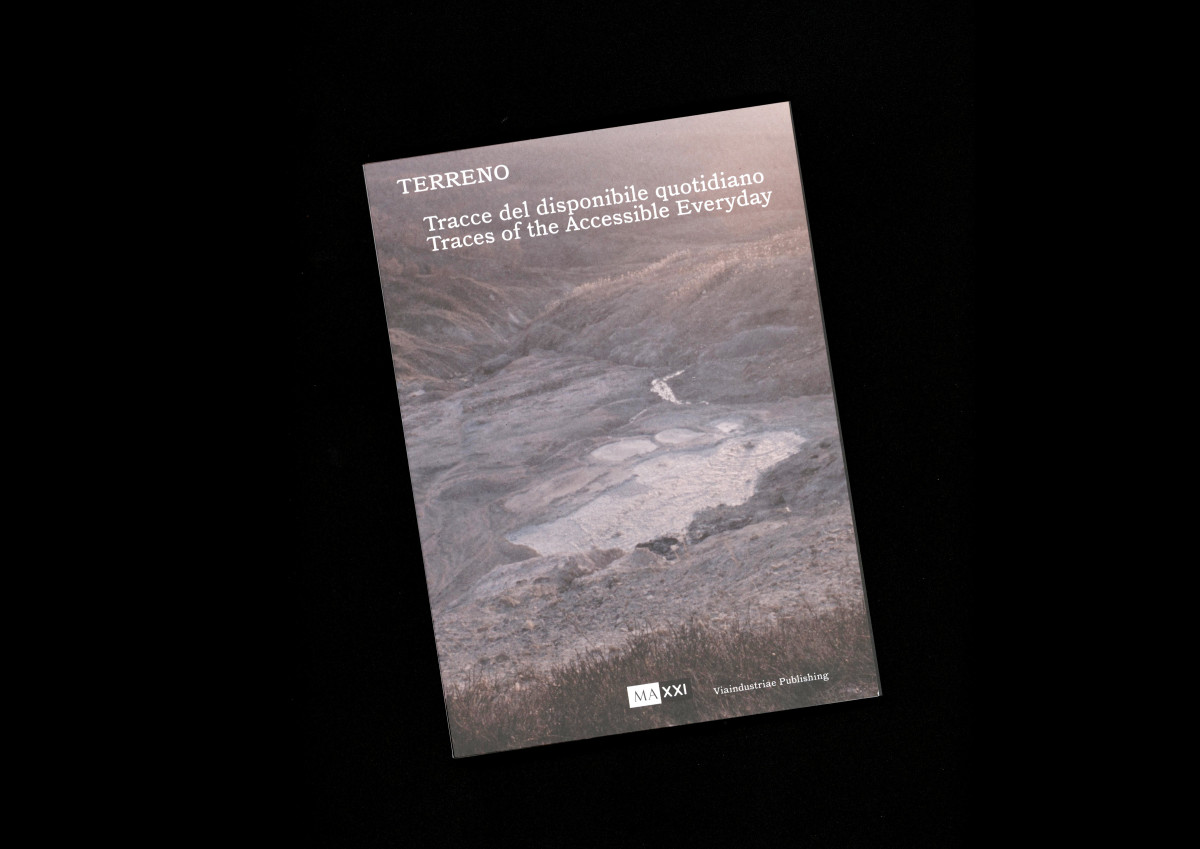
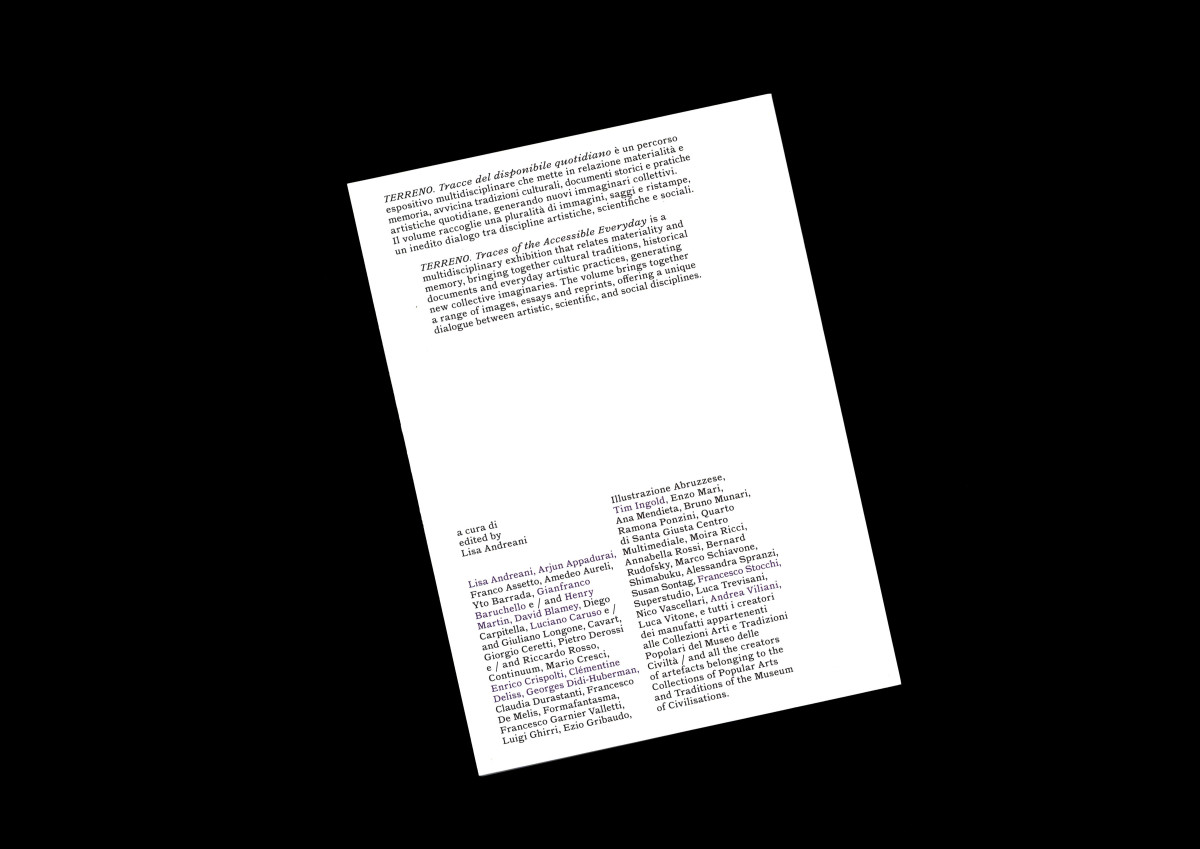
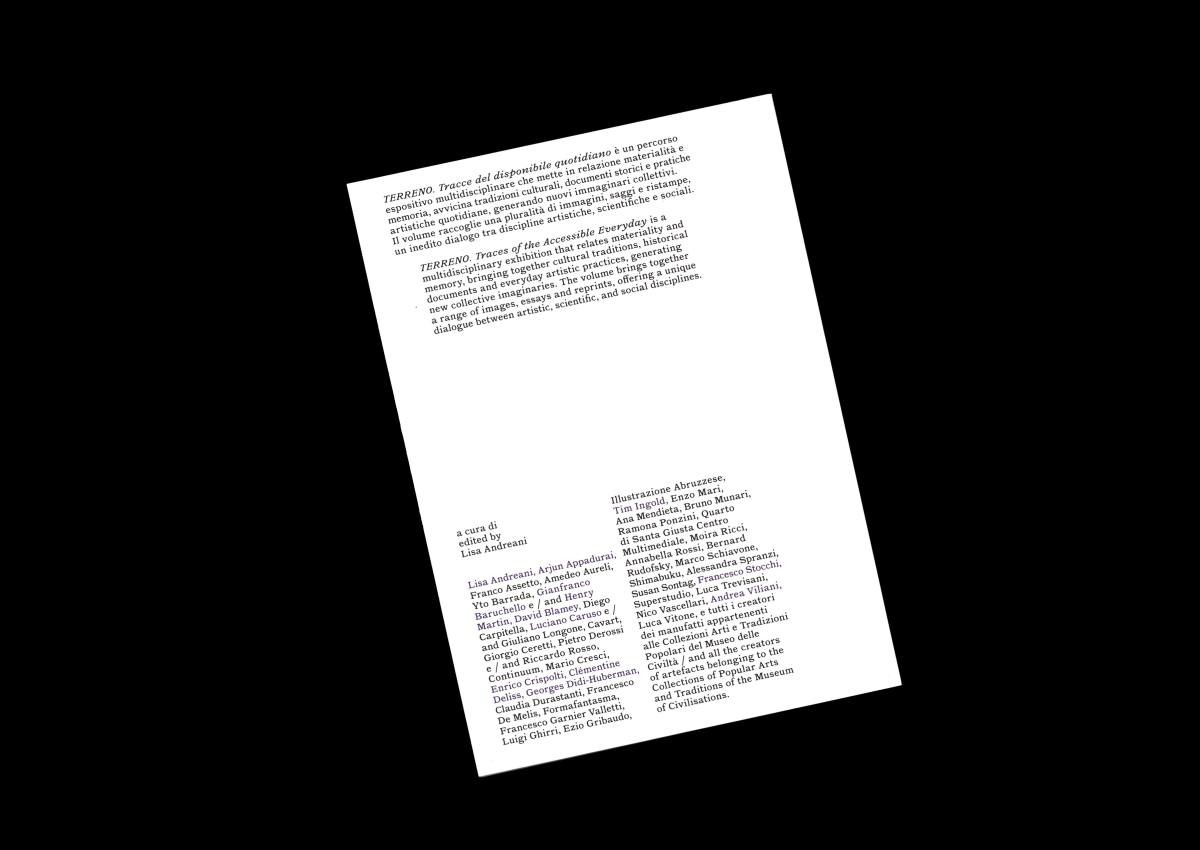
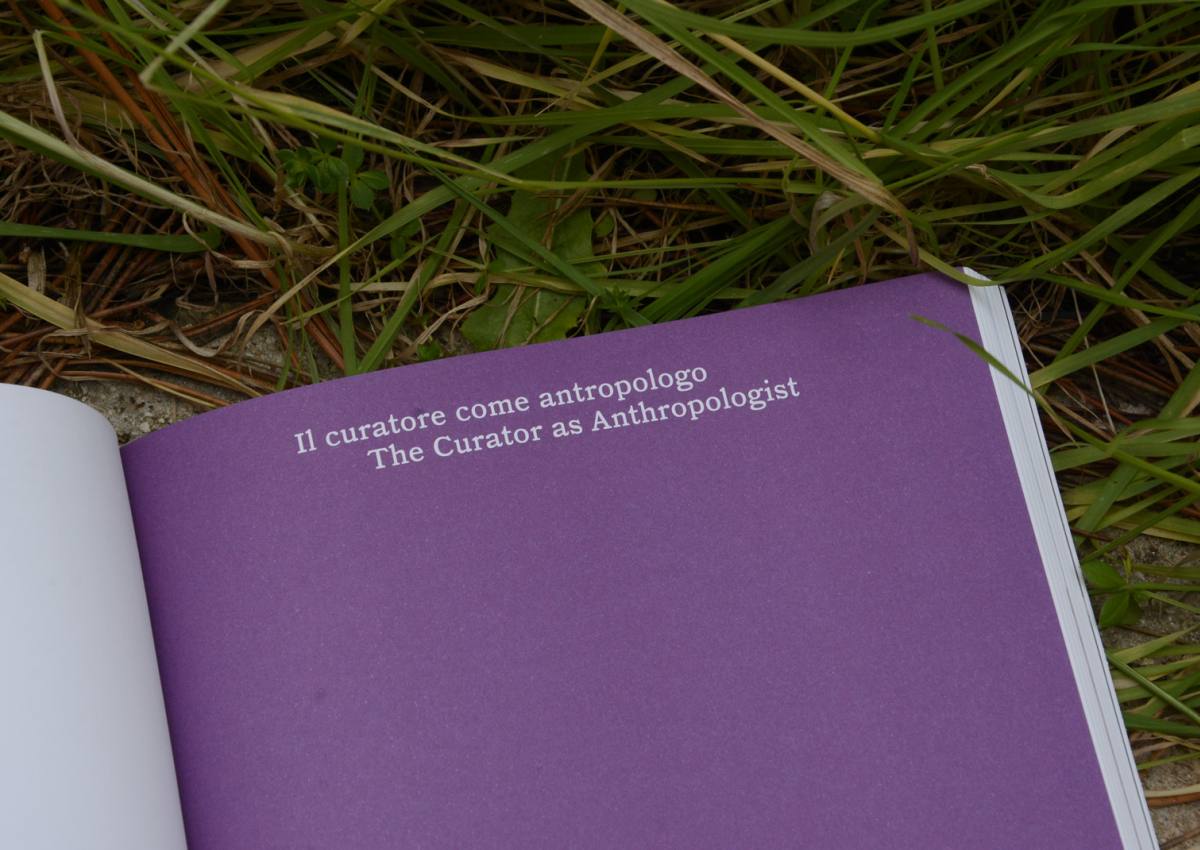
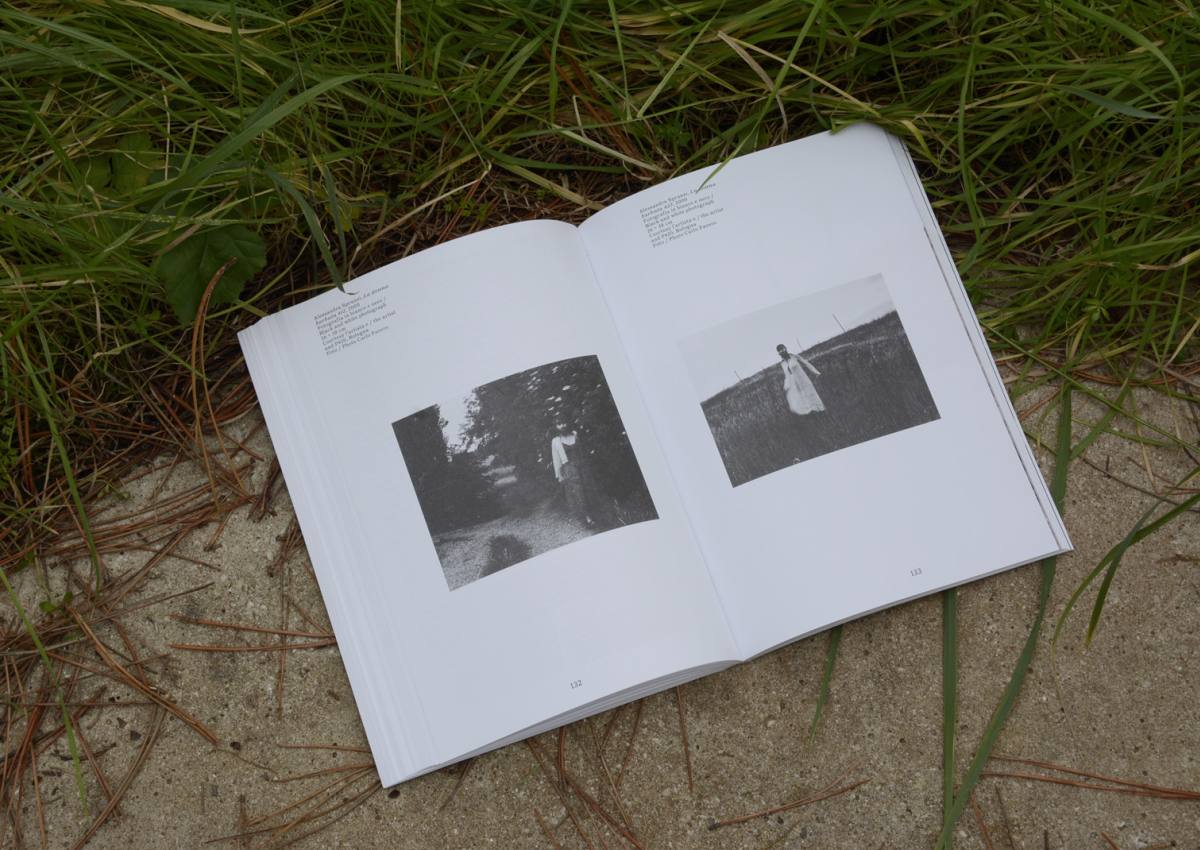
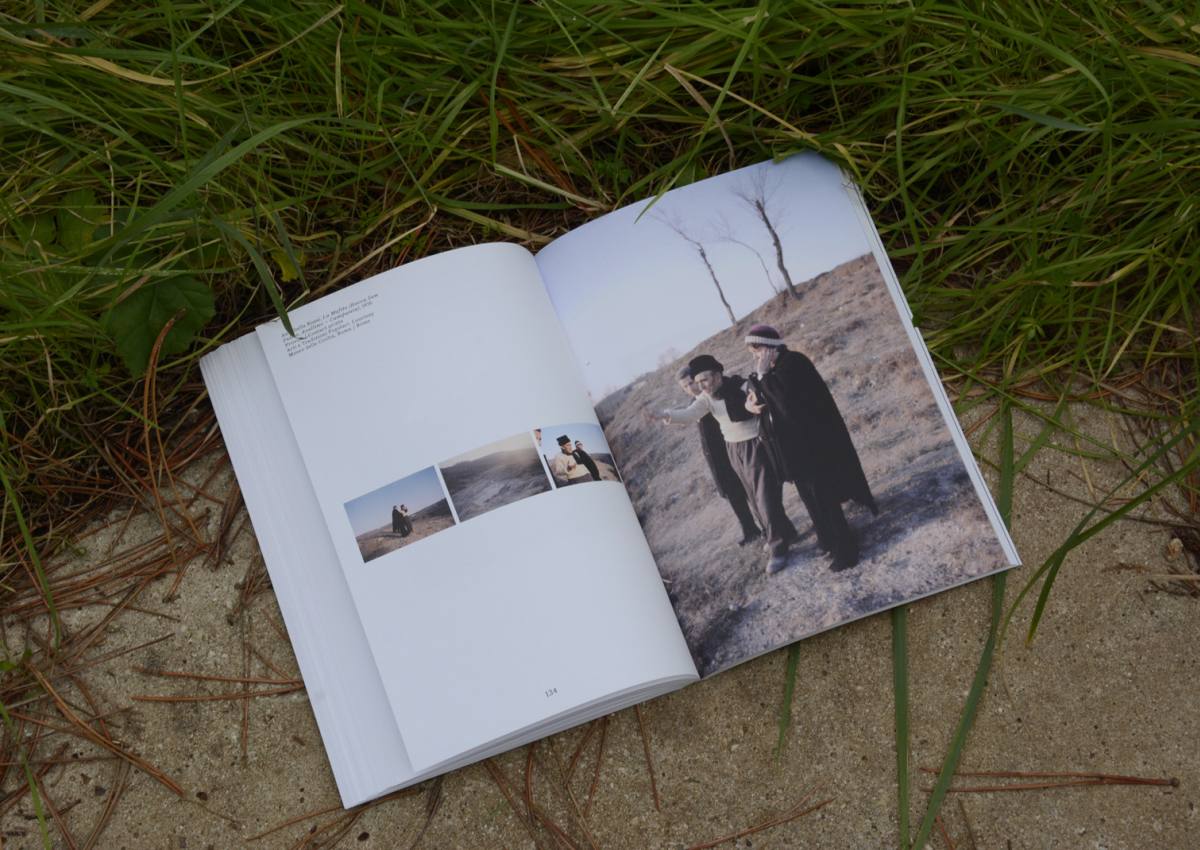
TERRENO. Tracce del disponibile quotidiano is a multidisciplinary exhibition that relates materiality and memory, bringing together cultural traditions, historical documents and everyday artistic practices, generating new collective imaginaries. The volume brings together a range of images, essays and reprints, offering a unique dialogue between artistic, scientific, and social disciplines. Inspired by Gianni Celati “accessible everyday”, the exhibition takes the visitor on a journey dedicated to the scenes, landscapes, and gestures from the everyday world that often go unnoticed and are rediscovered, grasping their value and revealing new and possible meanings. The rooms of the museum are filled with works of art from the MAXXI Collections, artefacts and photographic documents from the Museum of Civilisations in Rome, editorial materials, design and architectural projects, and a new sound production. This is how fluid and changeable stories and tales are born, joining ordinariness and tradition, historical documentation and invention, in a strong bond with the territory and its artistic and creative community. With: Arjun Appadurai, Franco Assetto, Amedeo Aureli, Yto Barrada, Gianfranco Baruchello and Henry Martin, David Blamey, Diego Carpitella, Luciano Caruso and Giuliano Longone, Cavart, Giorgio Ceretti, Pietro Derossi e Riccardo Rosso, Continuum, Mario Cresci, Enrico Crispolti, Clémentine Deliss, Georges Didi-Huberman, Claudia Durastanti, Francesco De Melis, Formafantasma, Francesco Garnier Valletti, Luigi Ghirri, Ezio Gribaudo, Illustrazione Abruzzese, Tim Ingold, Enzo Mari, Ana Mendieta, Bruno Munari, Ramona Ponzini, Quarto di Santa Giusta Centro Multimediale, Moira Ricci, Annabella Rossi, Bernard Rudofsky, Marco Schiavone, Shimabuku, Alessandra Spranzi, Susan Sontag, Superstudio, Luca Trevisani, Nico Vascellari, Andrea Viliani, Luca Vitone and all the creators of artefacts belonging to the Collections of Popular Arts and Traditions of the Museum of Civilisations.
Paola Anziché
Common Threads
€ 13
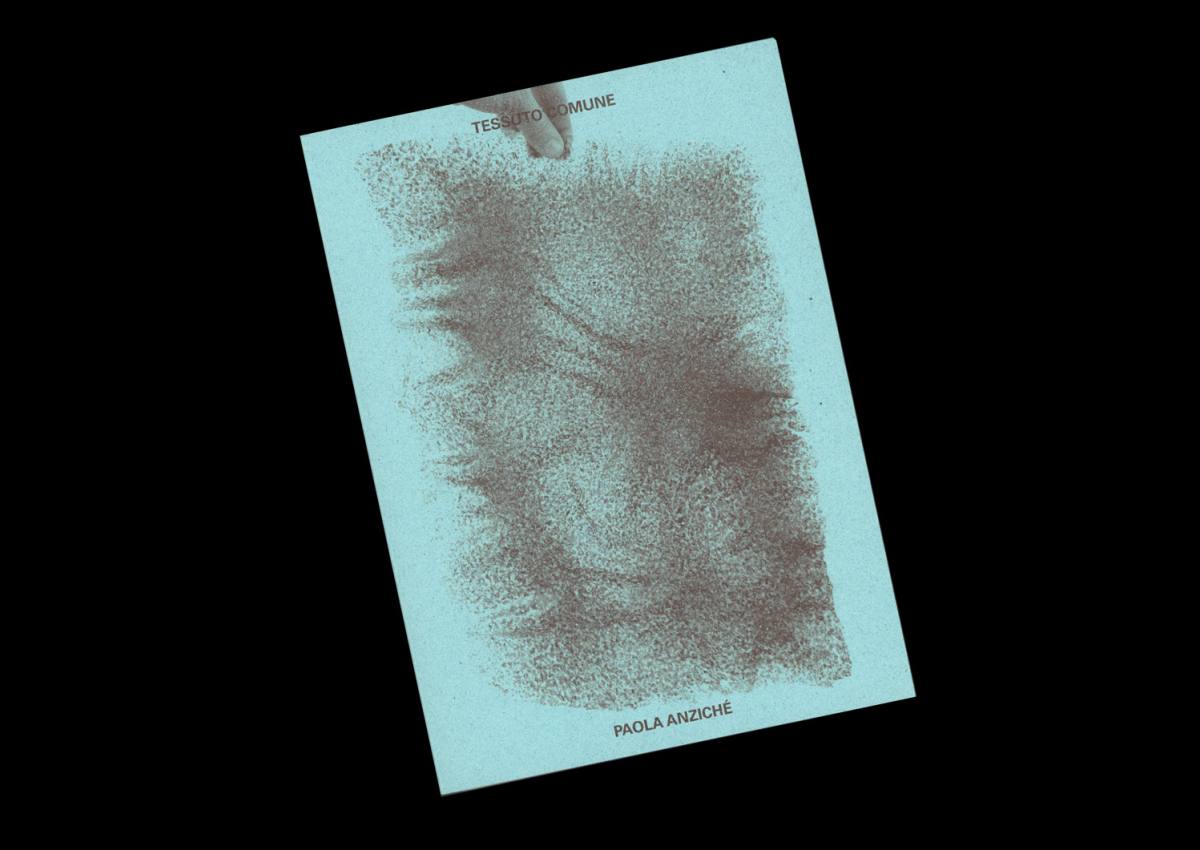

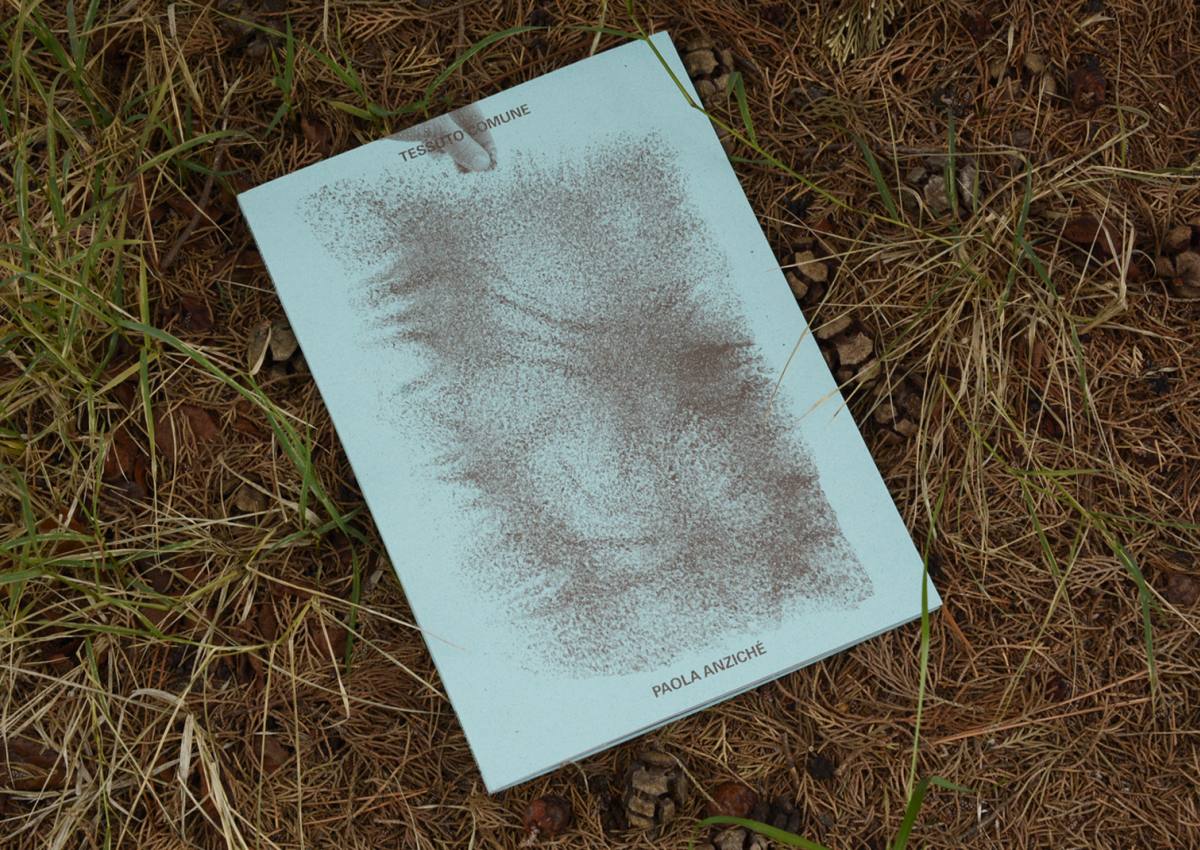
Paola Anziché
Common Threads
€ 13
32 pp.
19 x 28 cm
colour and bw printing
ita/eng
2024
ISBN 979-12-81790-12-4
Category: Artist's books Territorial research
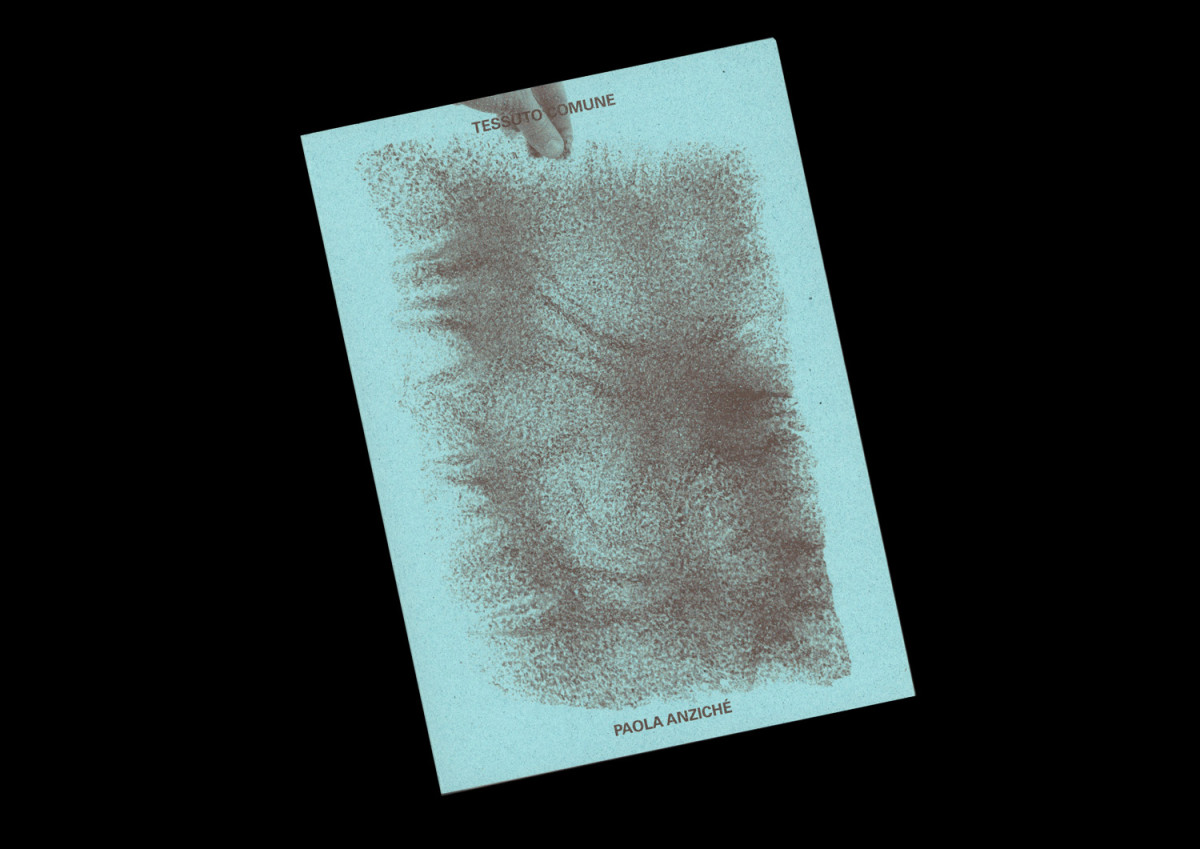
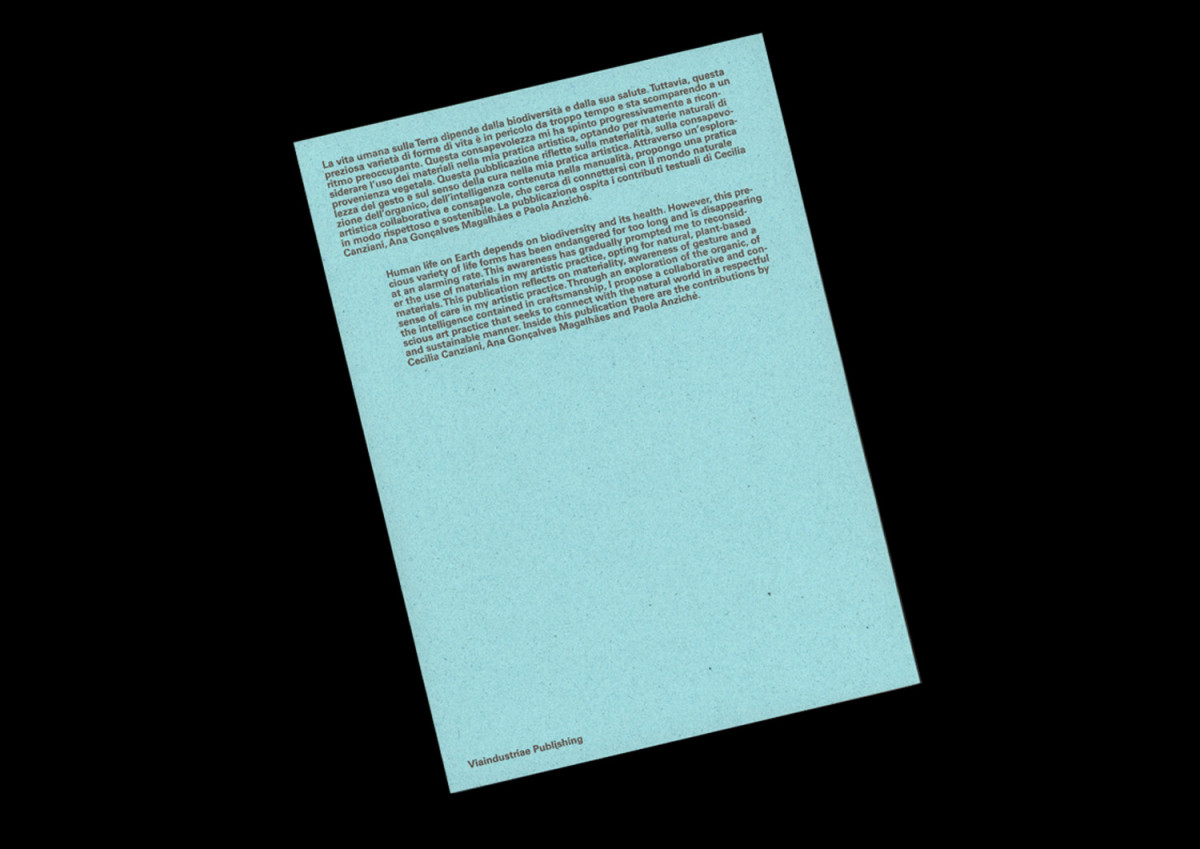
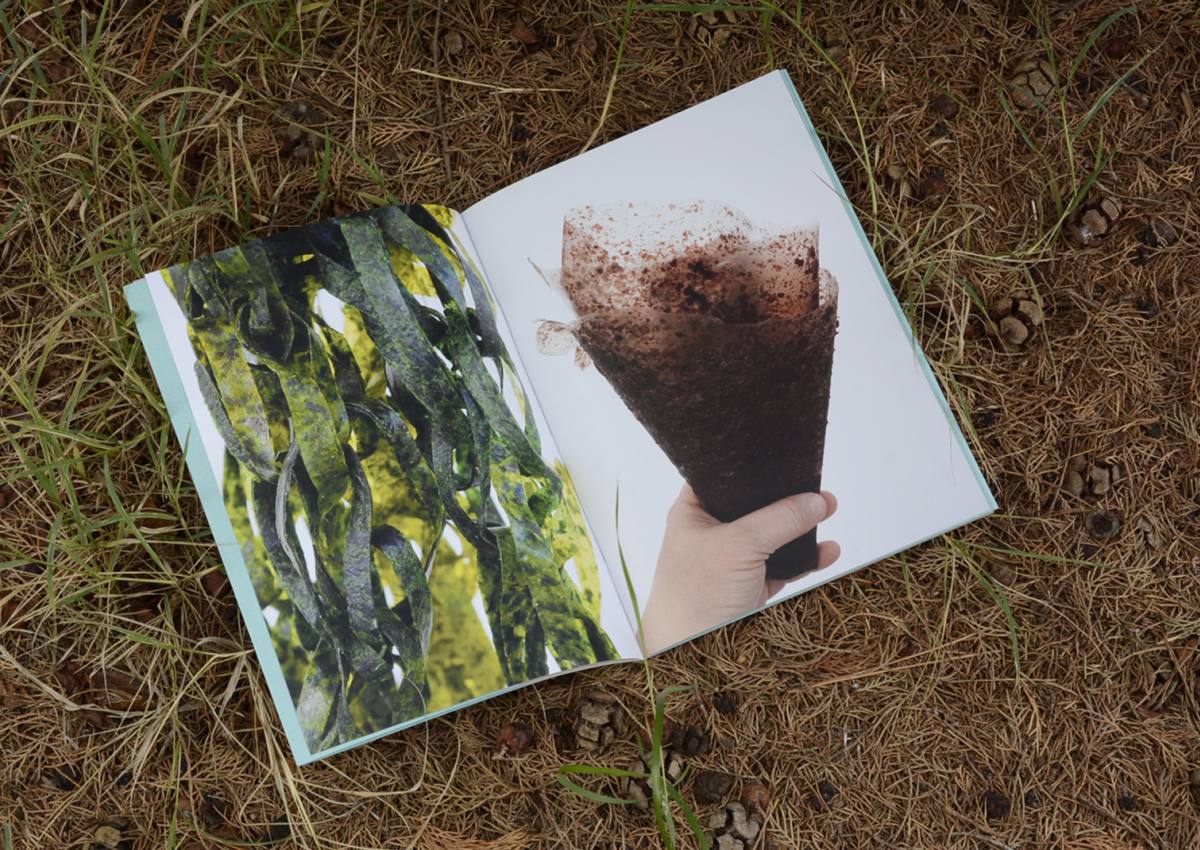
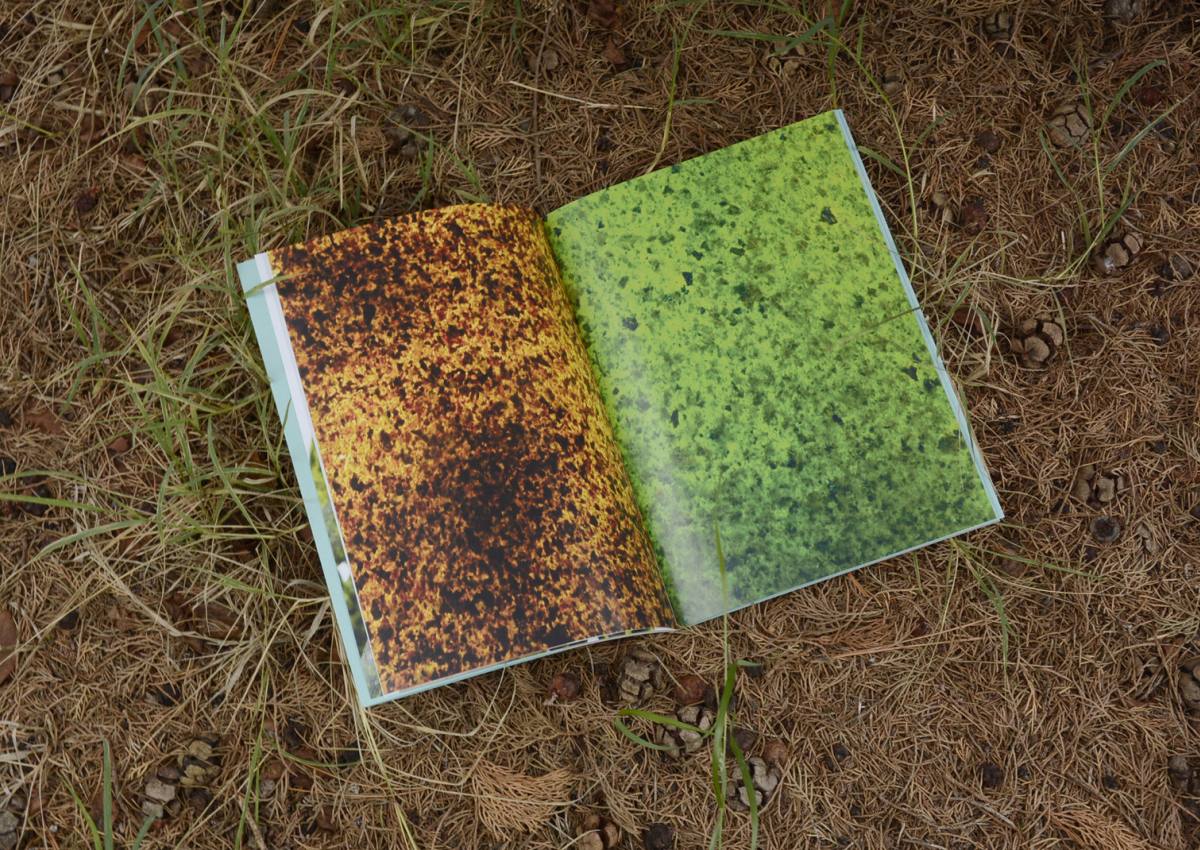
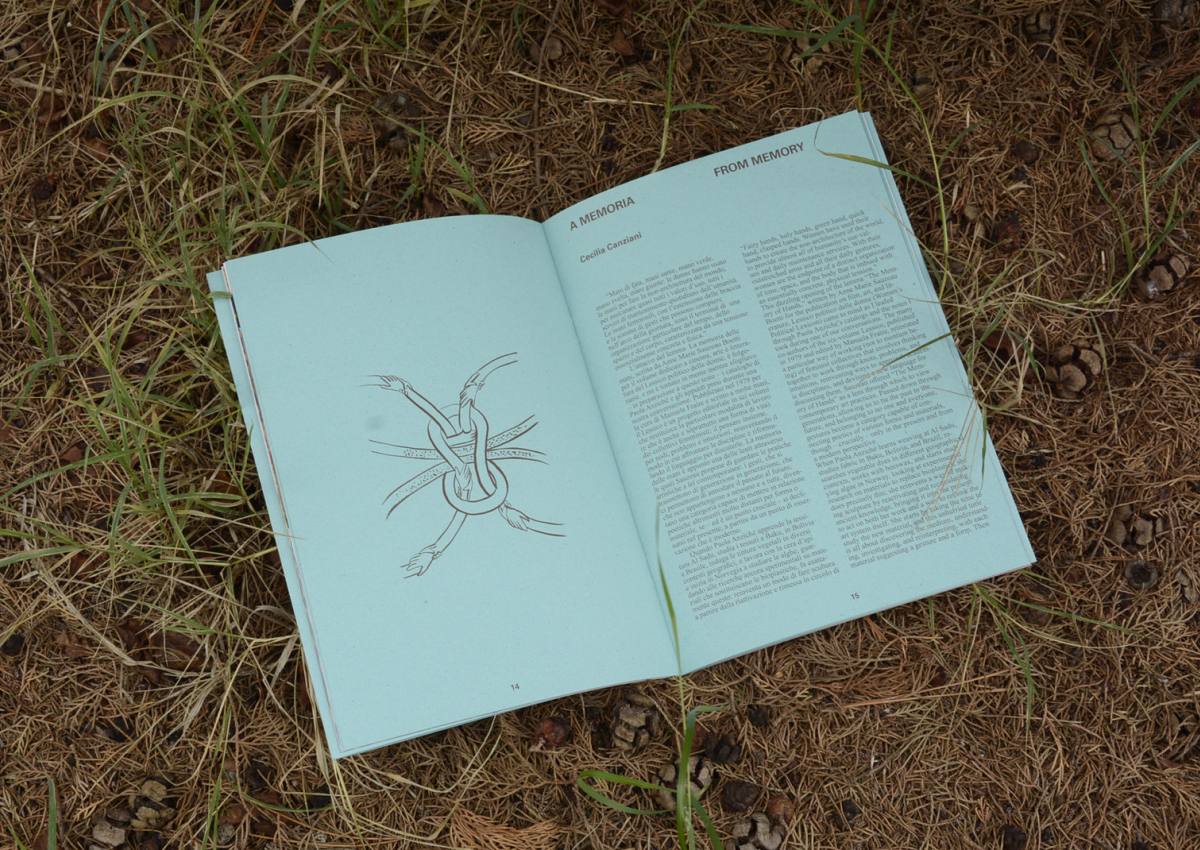
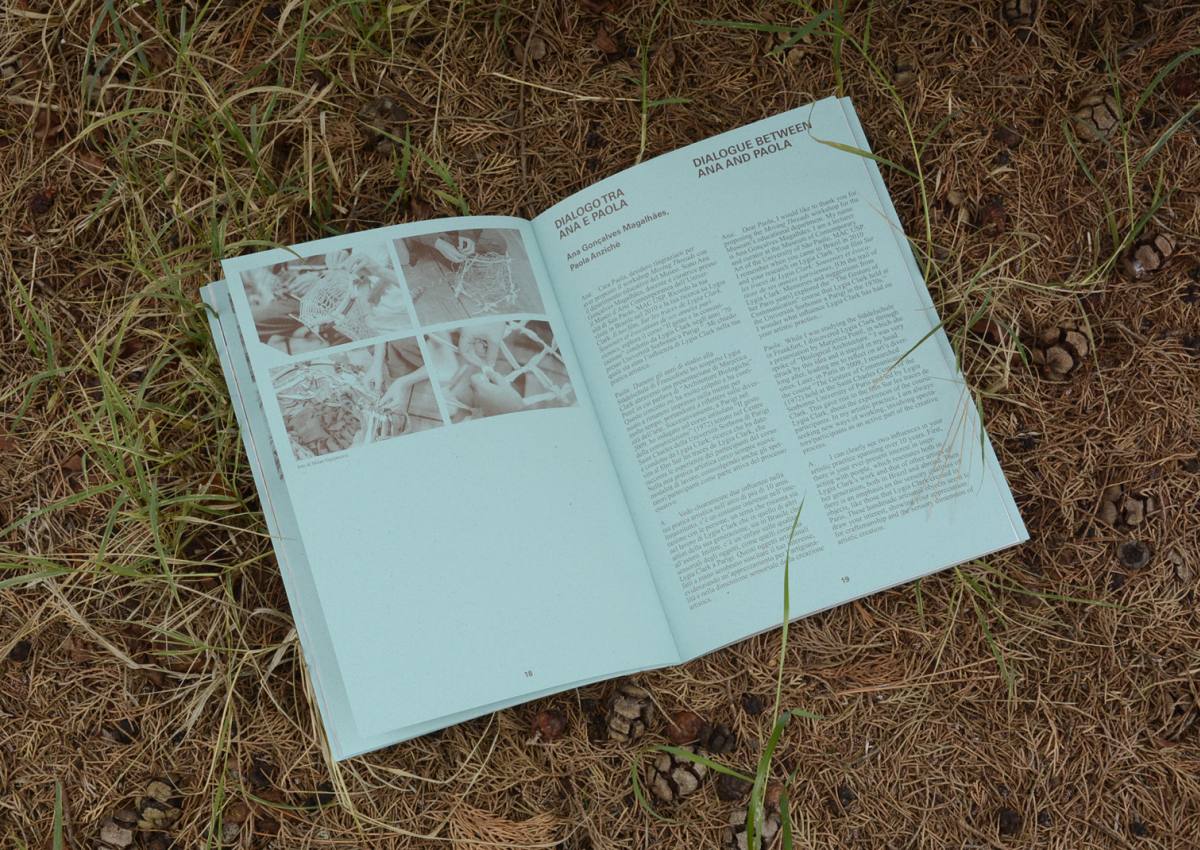
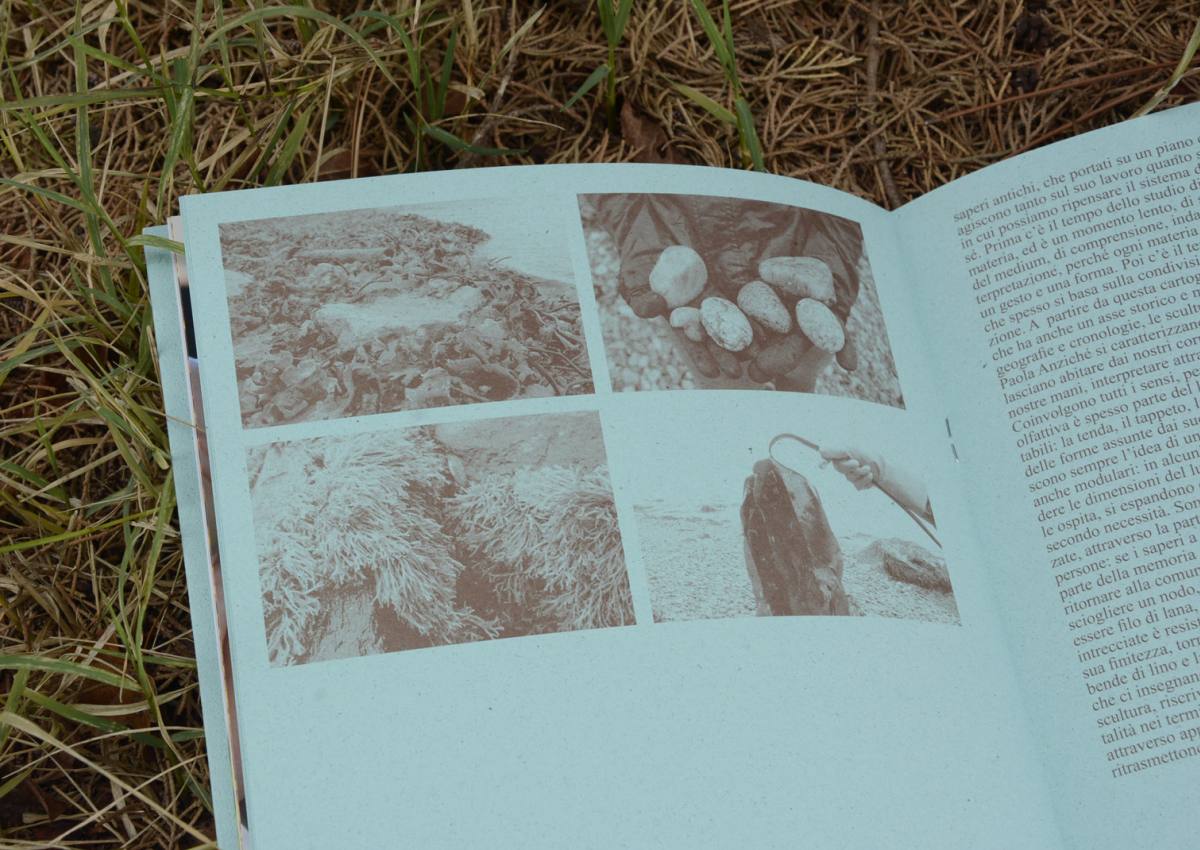
Human life on Earth depends on biodiversity and its health. However, this pre-cious variety of life forms has been endangered for too long and is disappearing at an alarming rate. This awareness has gradually prompted me to reconsid. er the use of materials in my artistic practice, opting for natural, plant-based materials. This publication reflects on materiality, awareness of gesture and a sense of care in my artistic pratice. Through an exploration of the organic, of the intelligence contained in craftsmanship, I propose a collaborative and conscious art practice that seeks to connect with the natural world in a respectful and sustainable manner. Inside this publication there are the contributions by Cecilia Canziani, Ana Gonçalves Magalhães and Paola Anziché.

Francesco Cavaliere, Dick El Demasi…
RING!
€ 35

Francesco Cavaliere, Dick El Demasiado
RING!
€ 35
A project by Viaindustriae and Holydays in collaboration with Rous Records
Limited edition 150 copies
Photo credits: Fotostudio Futura, Foligno
Supported by Fondazione Cassa di Risparmio di Foligno
Category: Sound Territorial research
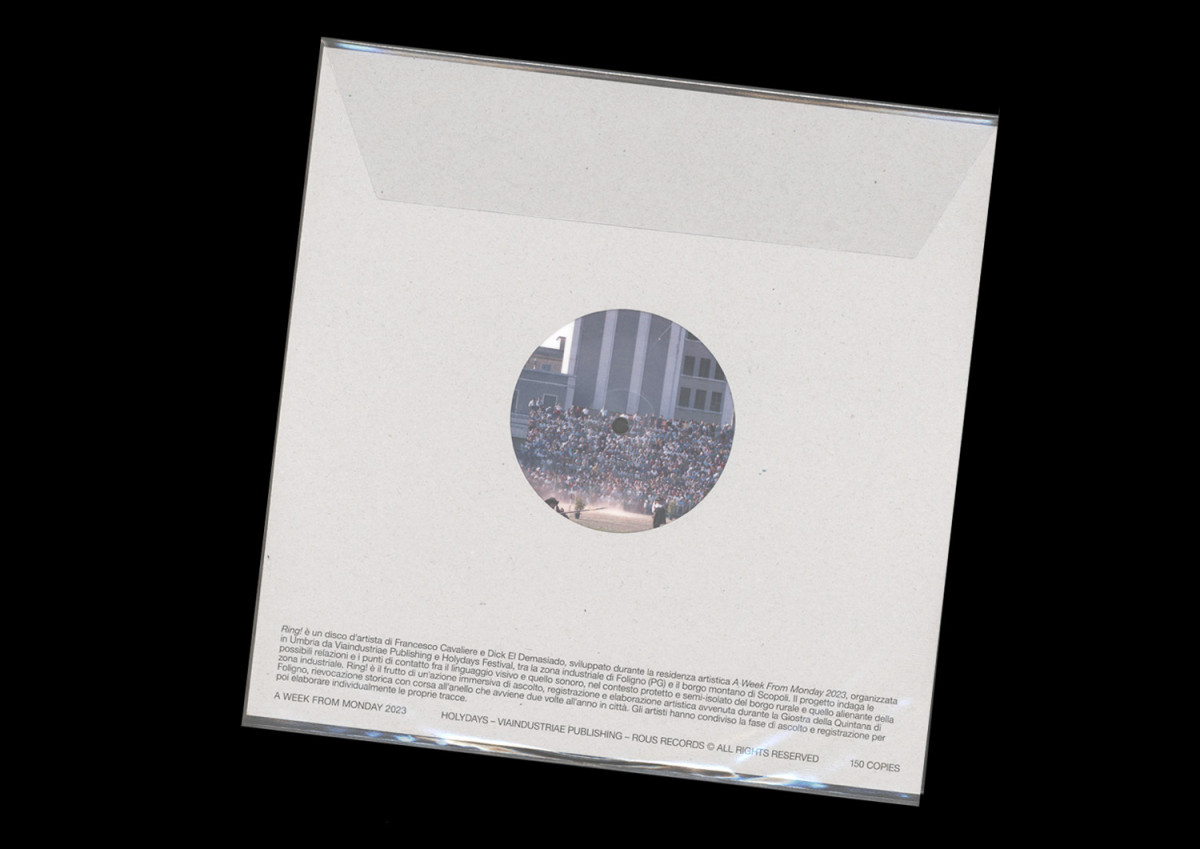
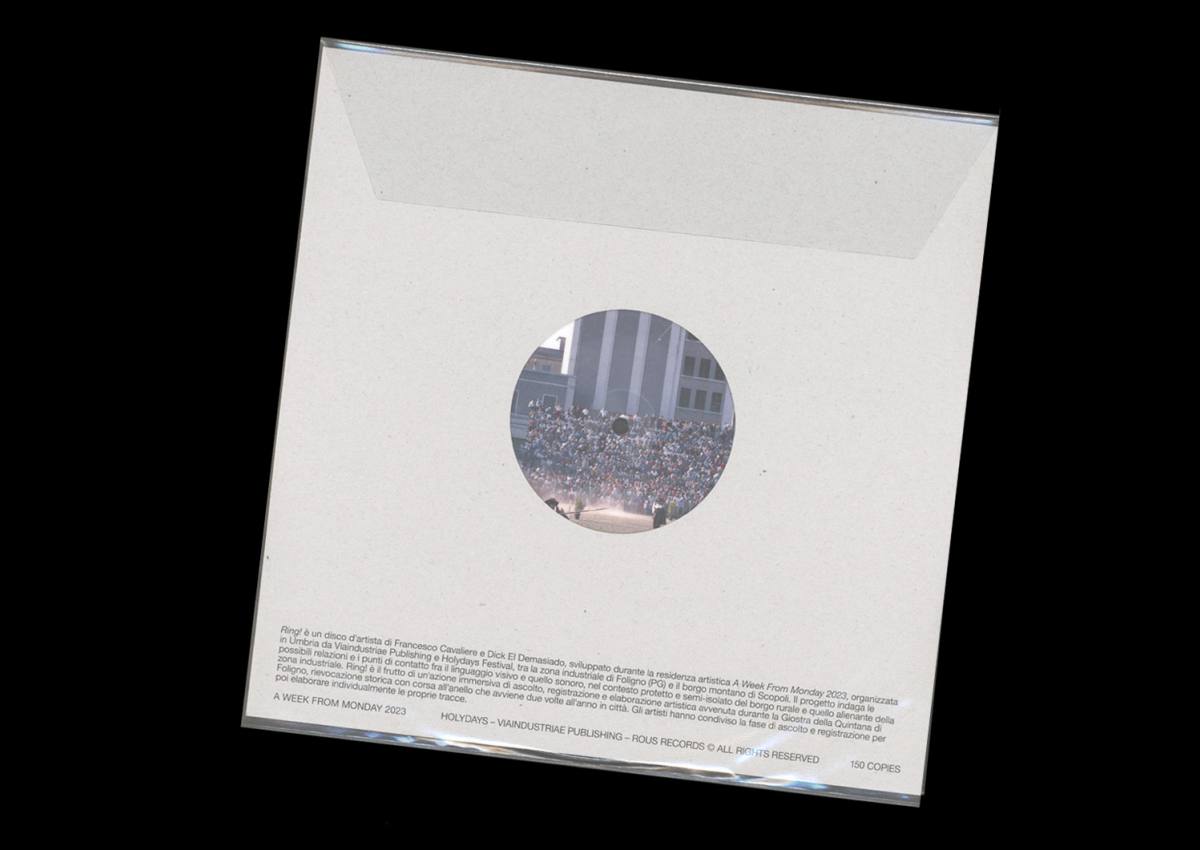
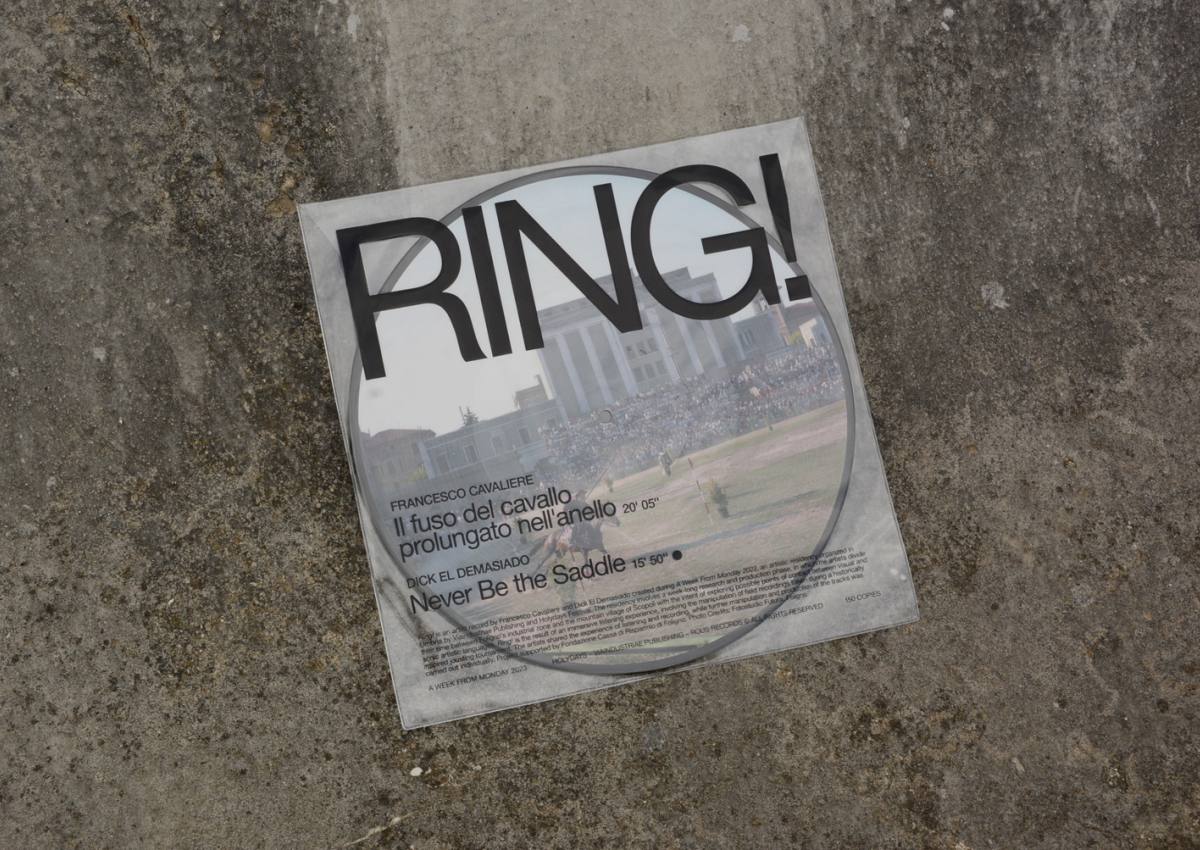
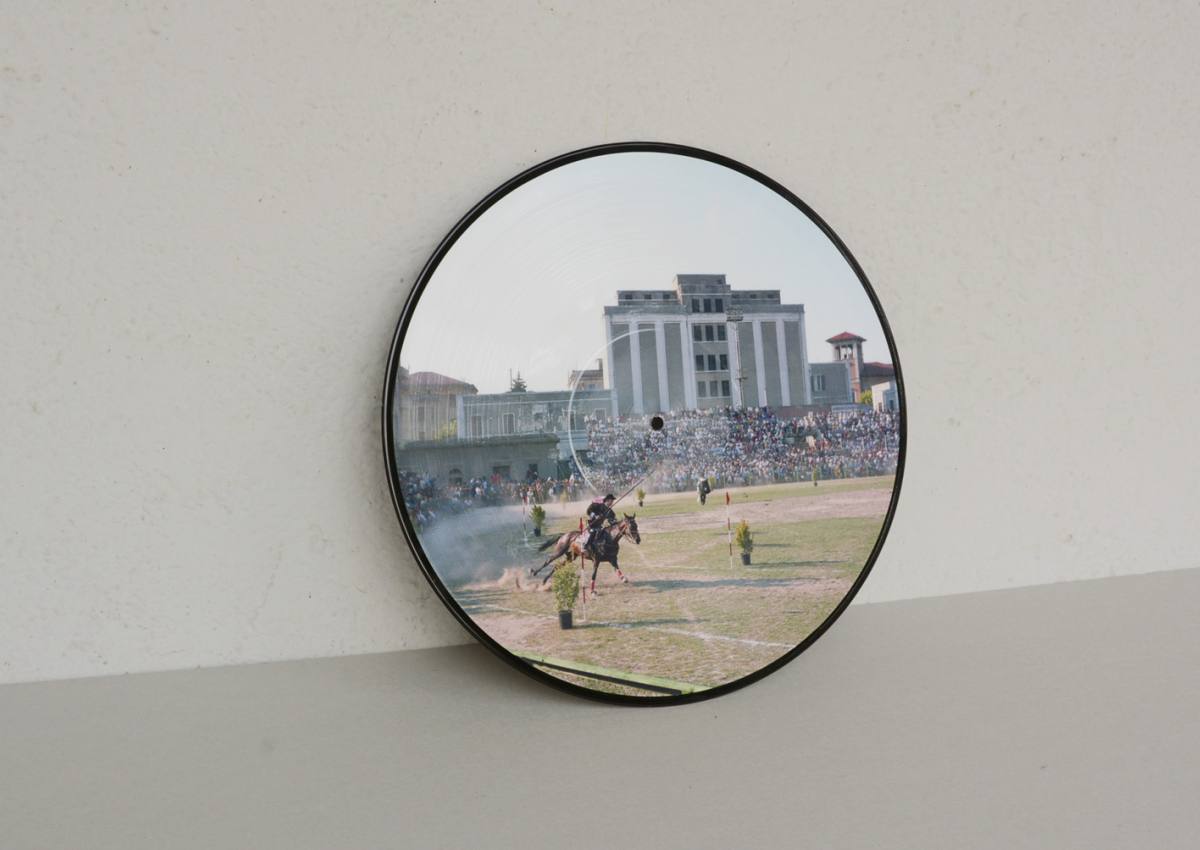
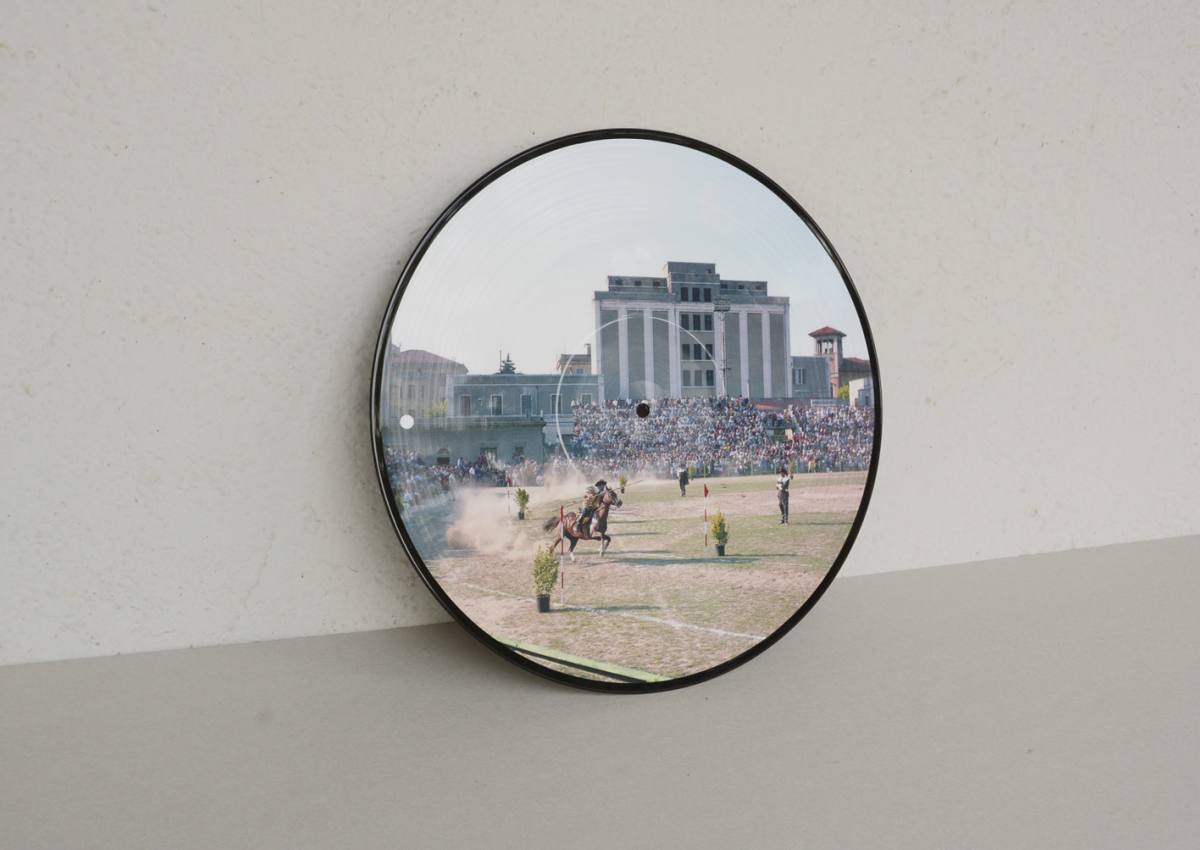
Ring! is an artist album by Francesco Cavaliere and Dick El Demasiado created during A Week From Monday 2023, an artistic residency organized in Umbria by Viaindustriae Publishing and Holydays Festival. The residency involves a week-long research and production phase, in which the artists divide their time between Foligno's industrial zone and the mountain village of Scopoli with the intent of exploring possible points of contact between visual and sonic artistic languages. Ring! is the result of an immersive listening experience, involving the manipulation of field recordings taken during a historically inspired jousting tournament. The artists shared the experience of listening and recording, while further manipulation and production of the tracks was carried out individually.
Francesco Cavaliere opens Il fuso del cavallo infilato nell'anello (20' 5") with a vocal reinterpretation of the Bando di Giostra—a text traditionally read aloud to announce the horse race, typically recited into a microphone by a designated actor on the day of the event, in the complete silence of a crowded stadium. He then focuses on the stark solemnity of the race itself, during which a certain kind of restless silence takes center stage, as the ear tunes in to the essential sounds of the stadium: the horse's gallop, the lances striking or missing the rings. This creates a long sequence of speaking silenceswhere, from time to time, the chatter of the crowd suddenly breaks through.
In Never Be The Saddle (15' 50"), Dick El Demasiado works with editing, repetition, layering, and delay as subtle yet decisive gestures, creating a vaguely unsettling and out-of-the-ordinary sound experience. His interventions are so discreet that one may not immediately notice them—or possibly never notice them at all. Here, the main elements are saturated sounds, such as the amplified voice of the race announcer, the cheers, drums, and trumpets, which are occasionally interrupted by the same speaking silence that we hear in Cavaliere's piece, a defining sonic element of the experience.
Kolxoz Collective
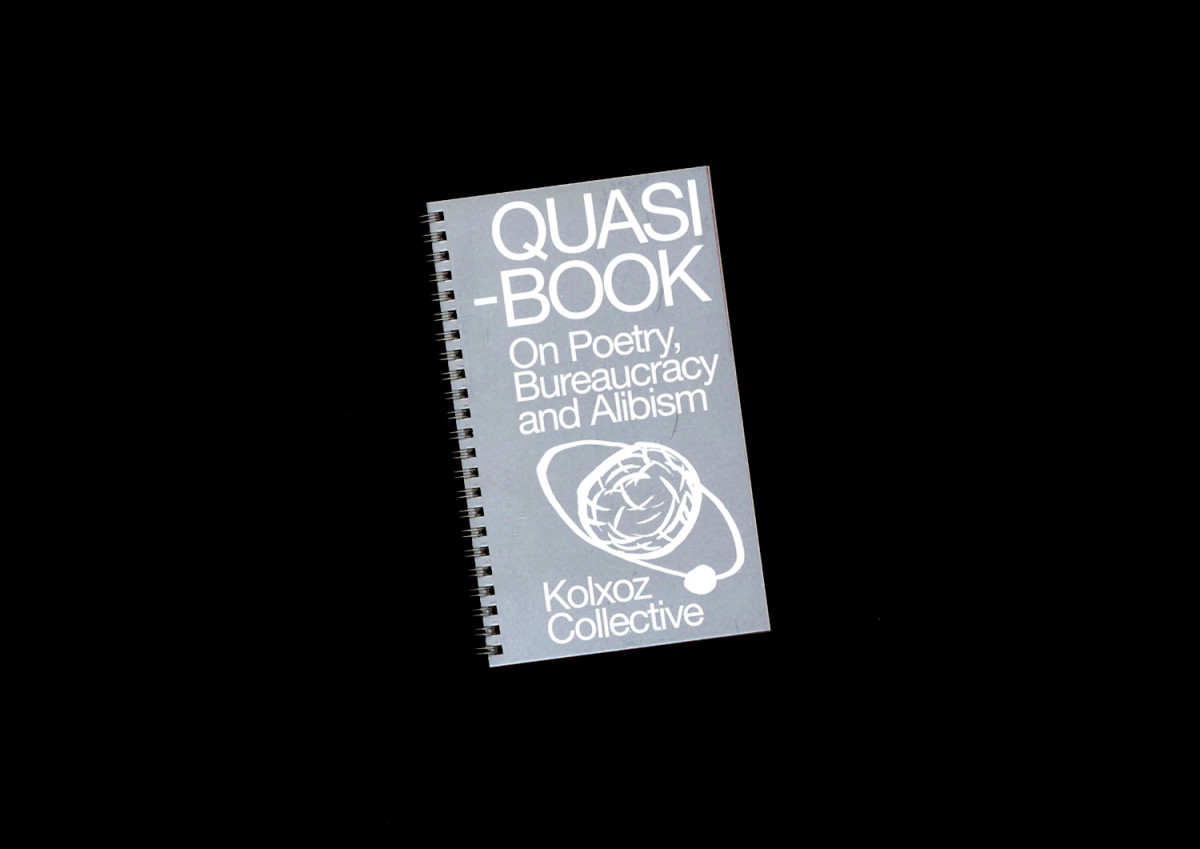
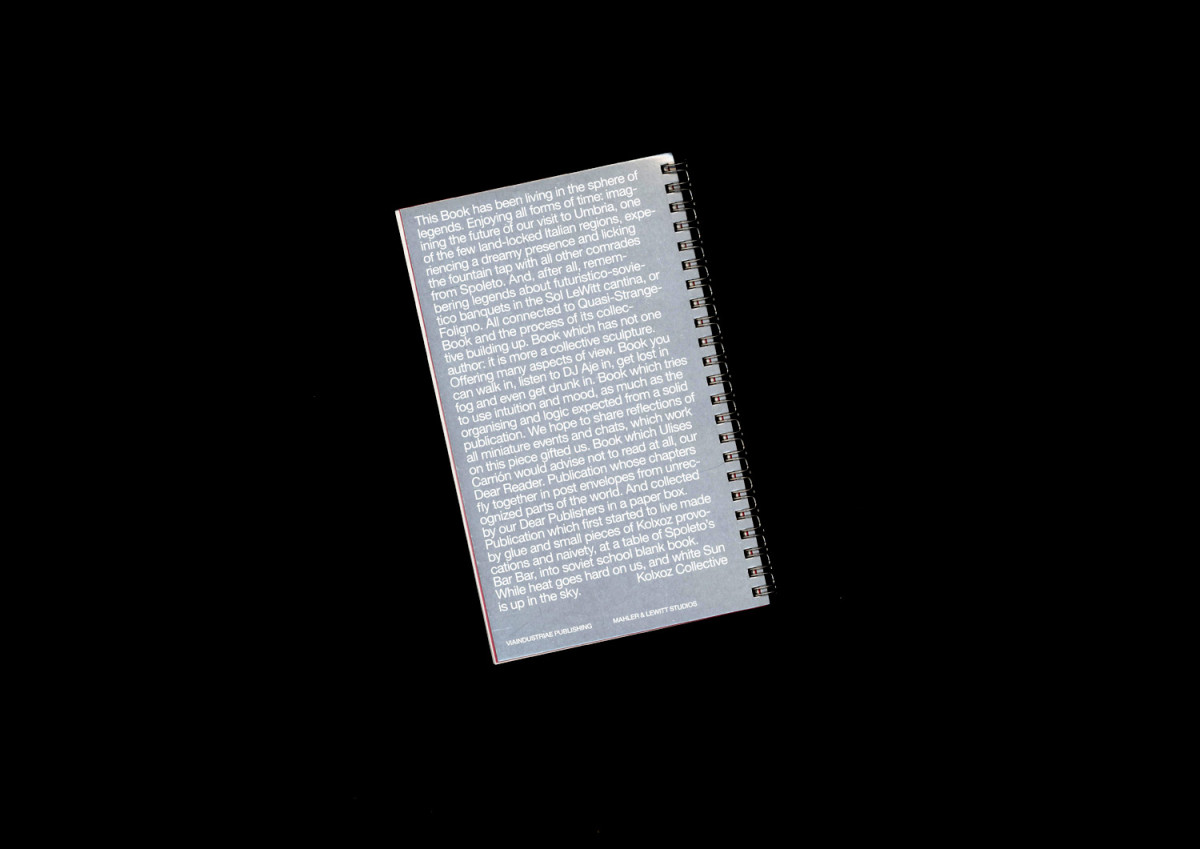
QUASI-BOOK
€ 15
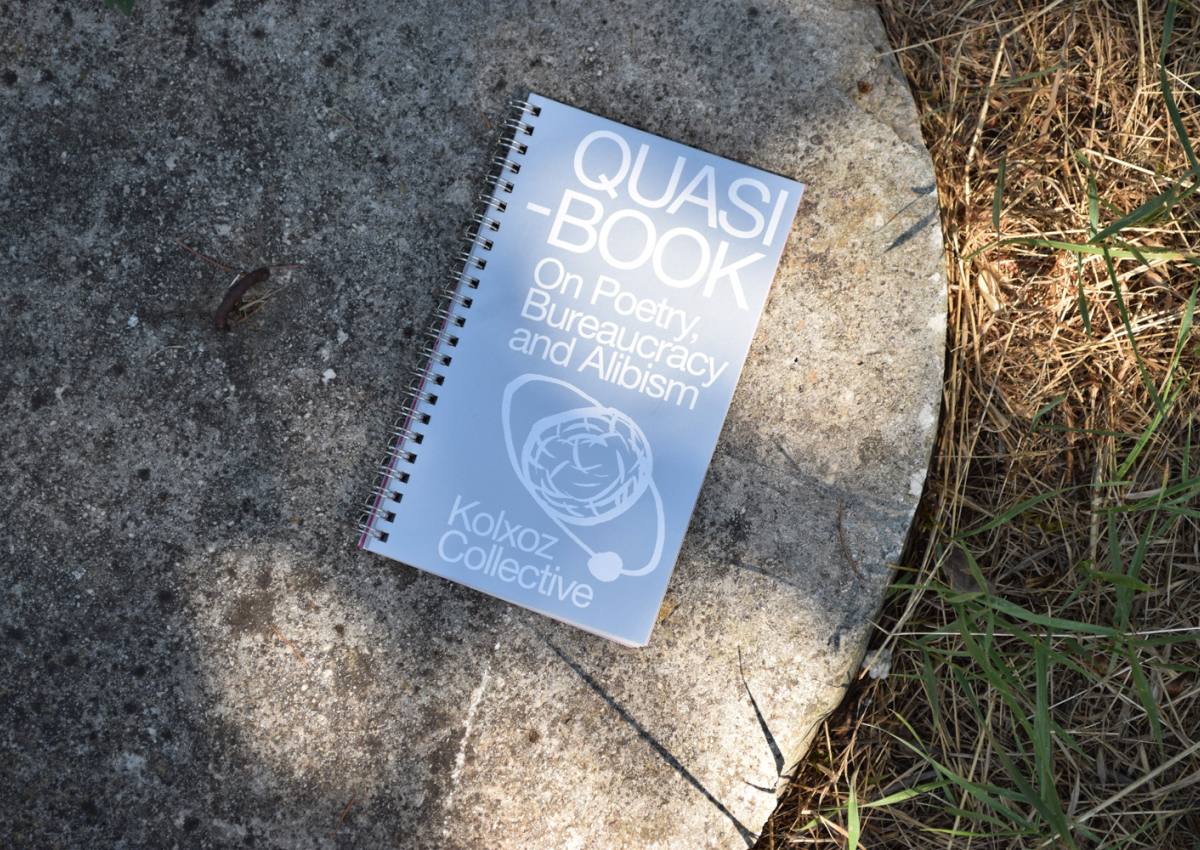
Kolxoz Collective
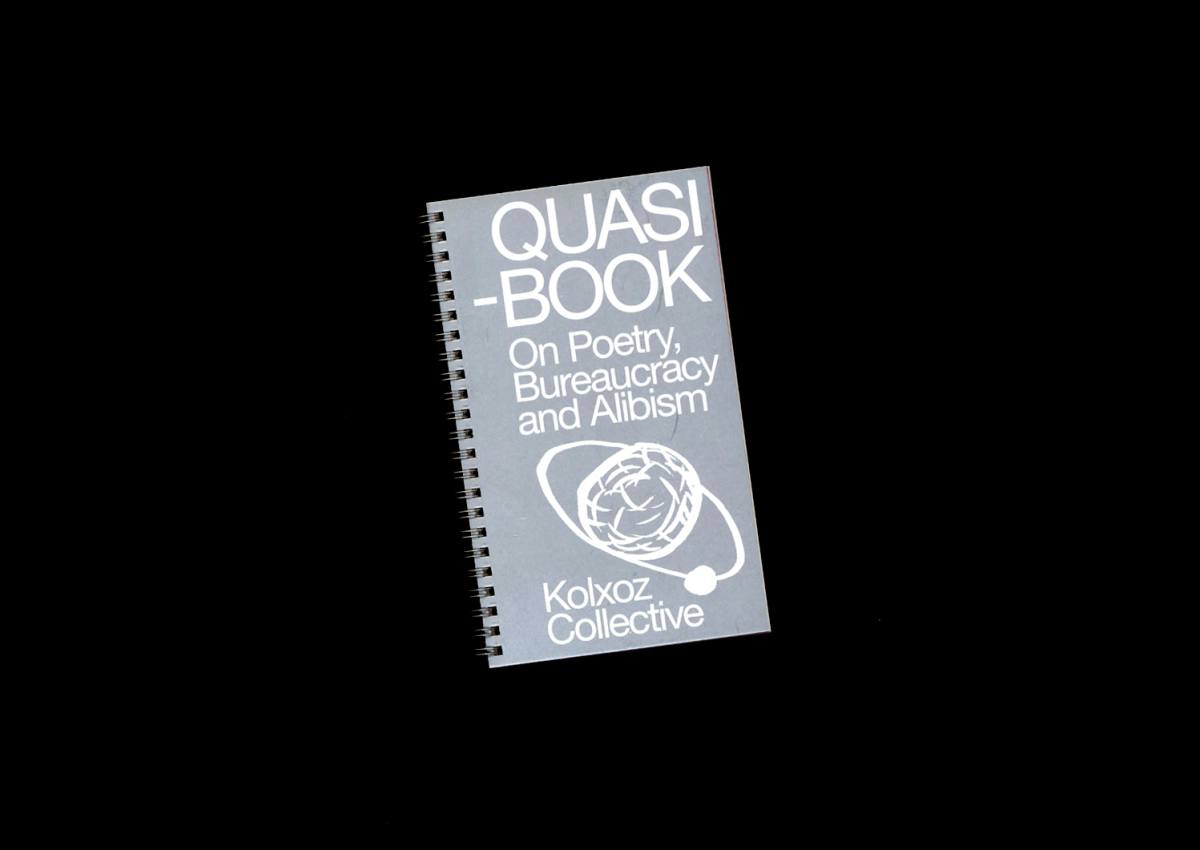
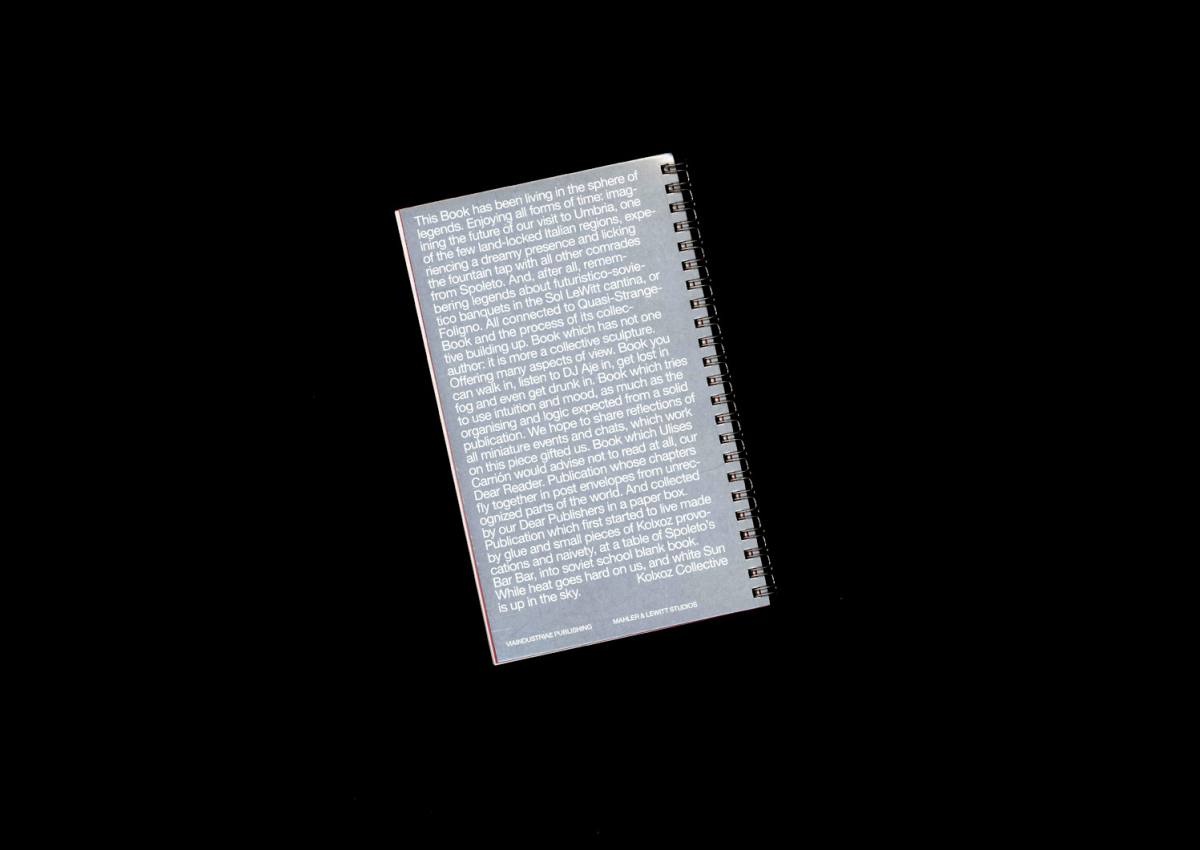
Quasi-Book. On Poetry, Bureaucracy and Alibism
€ 15
Co-published with Mahler & LeWitt Studios
Edited by Alice Mazzarella, Guy Robertson
126 pp.
12 x 20 cm
eng
2024
ISBN 979-12-81790-10-0
Category: Artist's books Territorial research
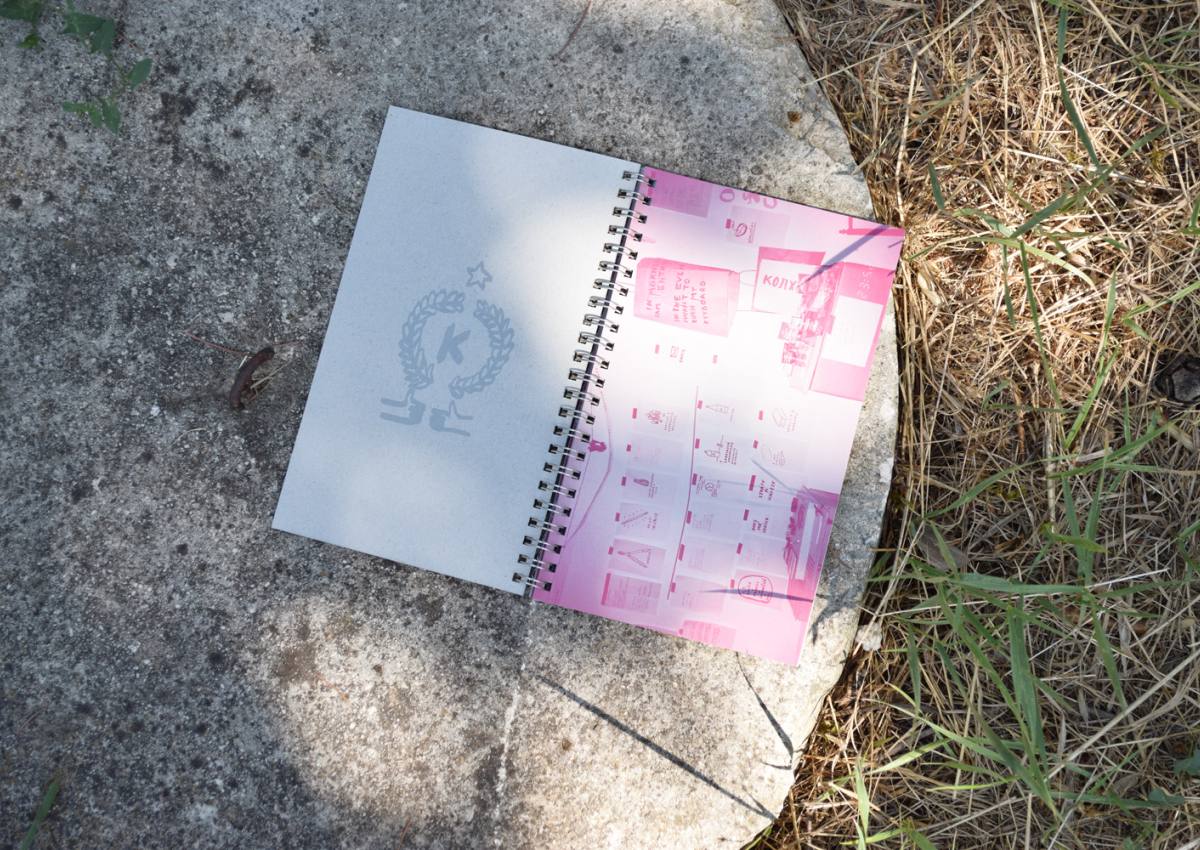
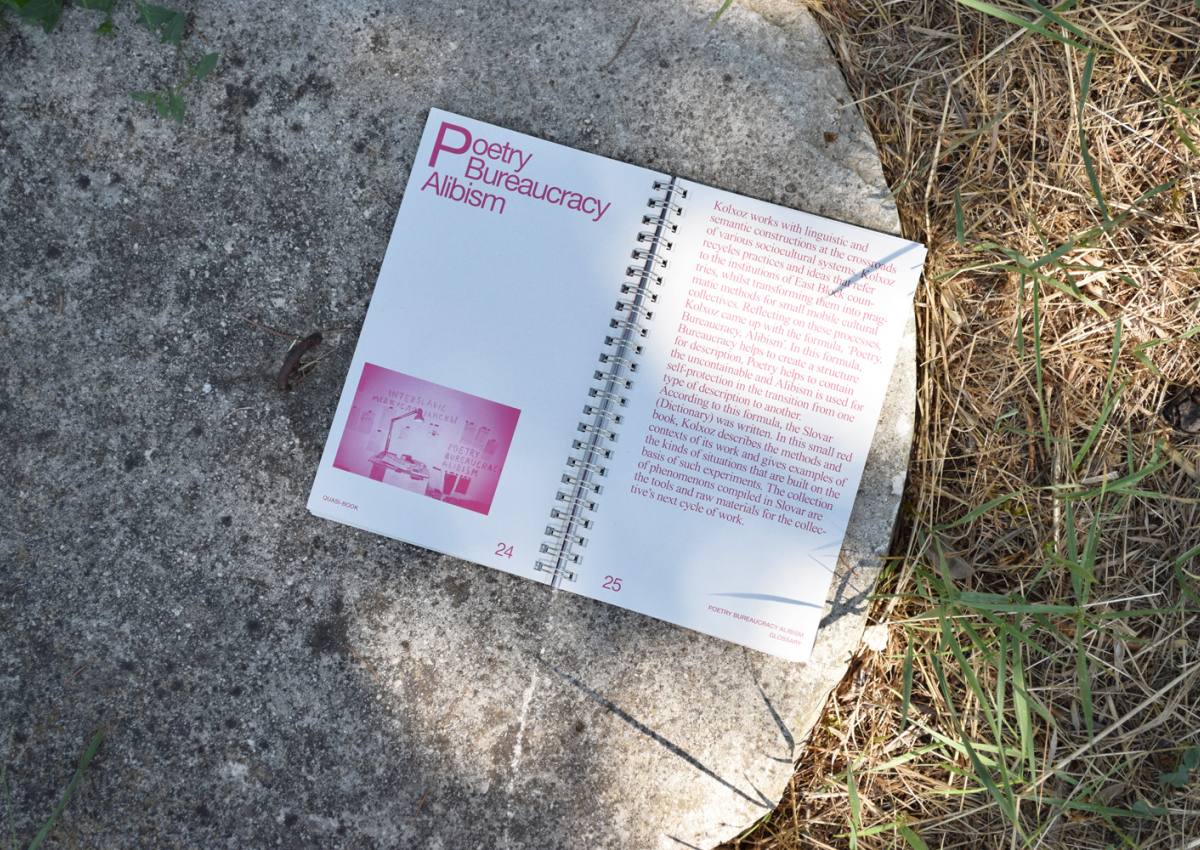
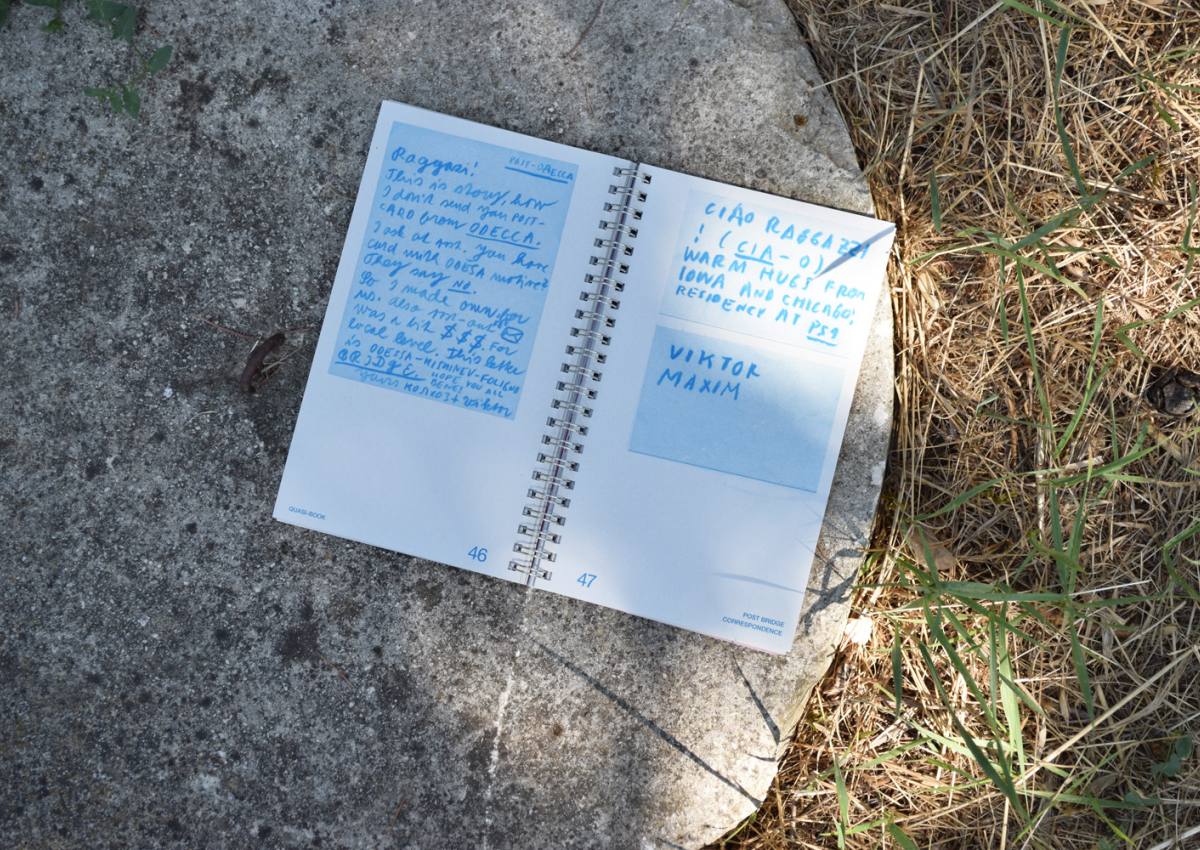
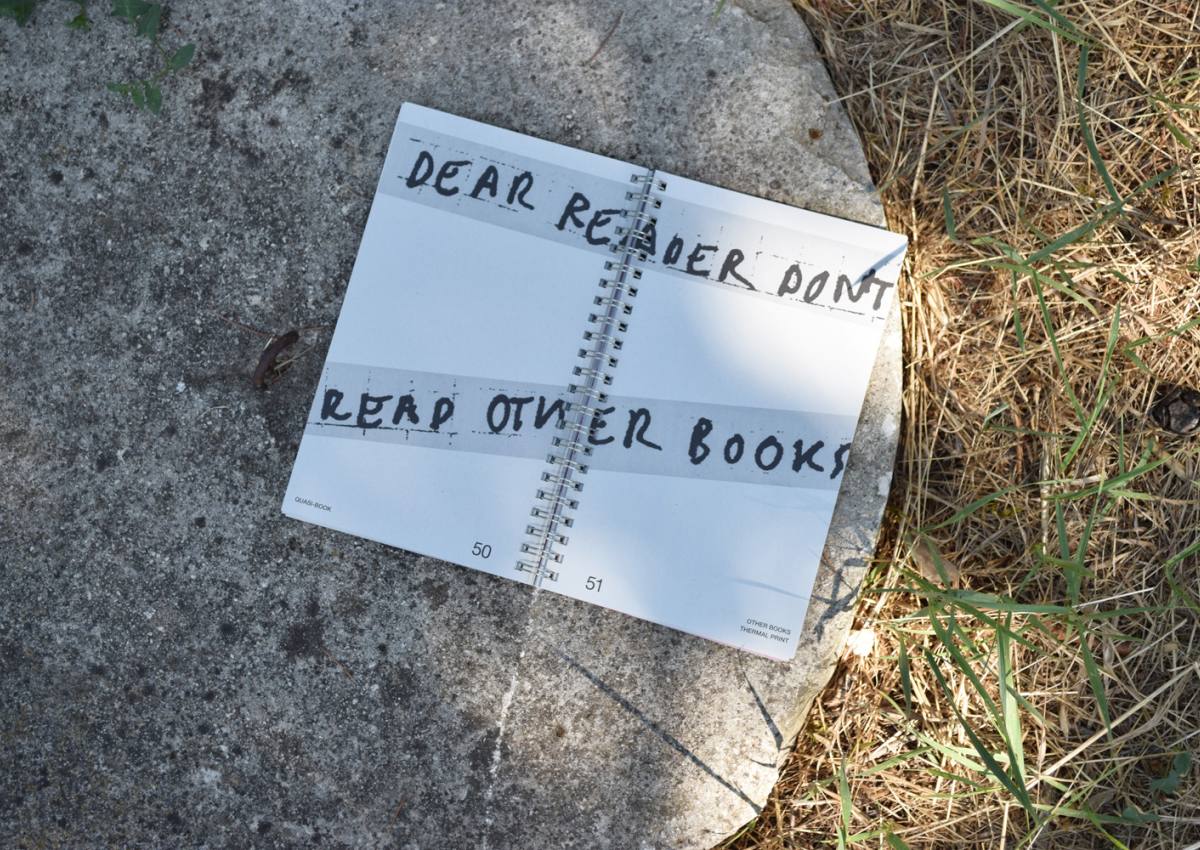
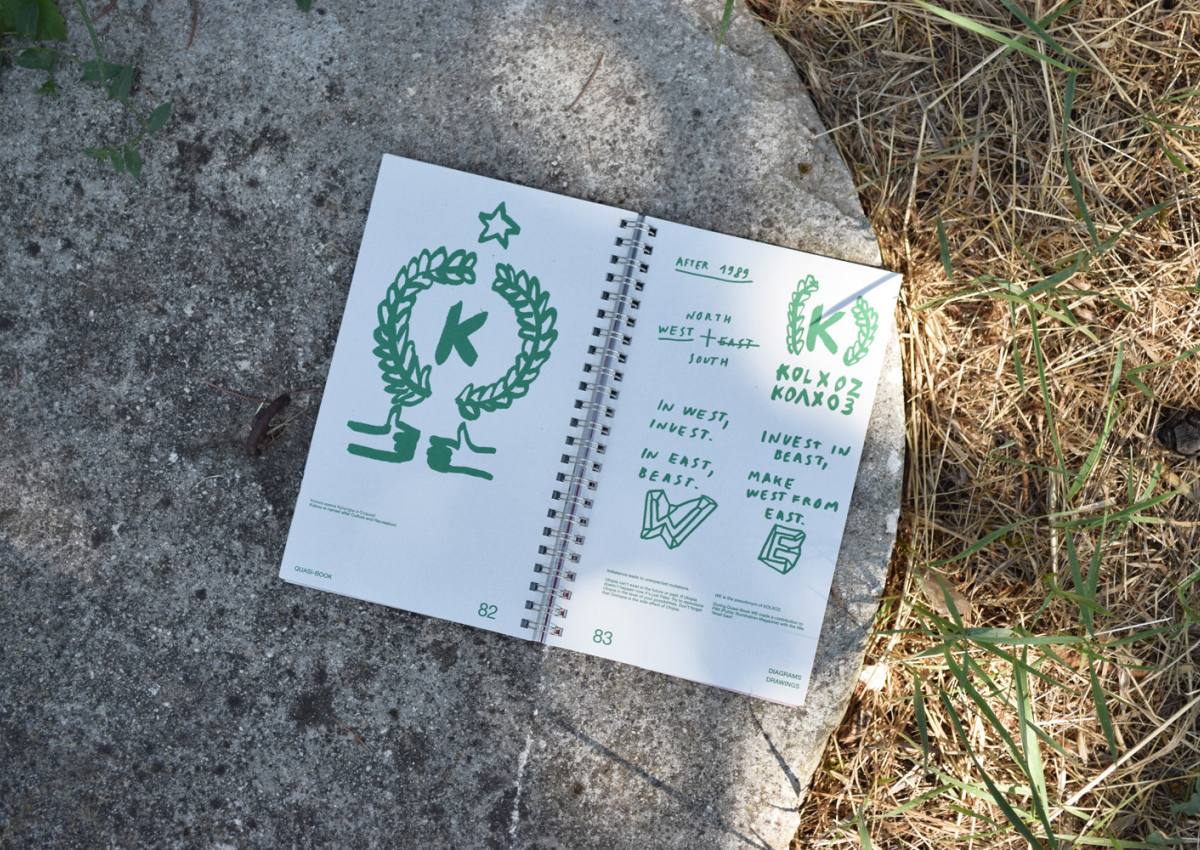
Quasi-Book is an artist's book by Kolxoz Collective, the last part of the residency project of the same title curated by Mahler & LeWitt Studios and Viaindustriae in 2021. The residency took place in the spaces of Sol LeWitt's studio in Spoleto and was intended as a platform for the dissemination and contextualisation of artistic publishing practices. After iterating as an open studio, a temporary bookshop, a platform for sharing and discussing book-making practices, and a space for convivial moments, the Quasi-Book project has now become an ‘actual’ quasi-book. Its chapters are quasi-chapters, collecting materials according to the predominant characteristics and techniques employed by Kolxoz Collective. For example, their promotion of a communal ‘inter-language’ as a way to facilitate new ways of communication and collective identification (Glossary); the use of the postal service to deliver materials, artworks and drawings to collaborators (Post Bridge); the thermal printing technique used by Kolxoz as a transportable publishing desk (Other Books); and drawing-statements which merge short texts and visual information (Diagrams). These materials are accompanied by an extract from a conversation – posited as a ‘live dictionary’ – between Kolxoz Collective, Viaindustriae, and the Mahler & LeWitt Studios.